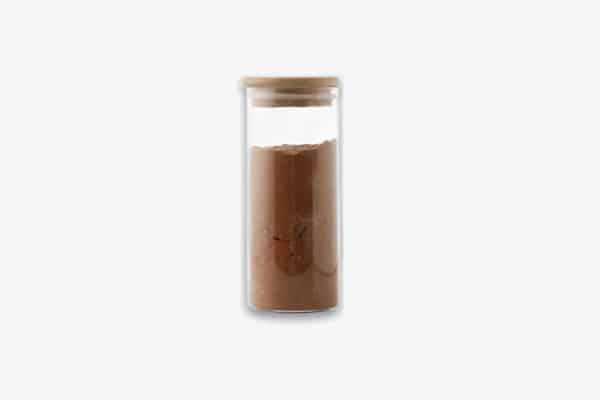
Red sand, also known as “Raml Ahmar,” is a popular construction material known for its distinctive red hue and versatility. It is often used for making concrete, plastering, and creating decorative surfaces in both residential and commercial projects. The sand’s rich mineral composition contributes to its durability, making it suitable for various applications in construction and landscaping.
Why You Should Use It?
Distinctive Aesthetic Appeal: Red sand is visually attractive, making it ideal for landscaping and decorative concrete surfaces.
Durable and Strong: Offers excellent strength and longevity, suitable for load-bearing applications.
Versatile Use: Can be used in concrete mixes, plastering, tiling, and road construction.
Improved Workability: Easier to mix and work with, reducing time and effort during construction.
Environmentally Friendly: A natural, sustainable product with minimal environmental impact.
Key Features
Property
Description
Grain Size
Fine to medium (≤ 5 mm)
Color
Red (can vary slightly in shade)
Material Composition
Silica, iron oxide, clay, and other minerals
Texture
Smooth with angular particles
Moisture Content
Variable, depends on source
Uses
Concrete Production: Used to make durable concrete for foundations, pavements, and structures.
Plastering: Ideal for creating smooth plaster surfaces for both interior and exterior walls.
Decorative Landscaping: Adds color and texture to garden paths, patios, and decorative walls.
Road Construction: Used in road subgrade and base material for drainage and support.
Tiles and Flooring: Forms part of the mix for tiles and floor screeds.
Density & Composition
Factor
Value
Bulk Density
1400–1600 kg/m³
Moisture Absorption
2%–6% (depends on environmental conditions)
Particle Shape
Angular to sub-angular
Iron Content
High (provides red color)
Case Studies
Residential Projects: Used in decorative flooring and plaster finishes in modern homes.
Infrastructure Projects: Used as a base material for roads and pavements due to its strength and compaction properties.
Landscaping: Enhances outdoor spaces by providing a natural, attractive look.
Application Recommendations
Mixing and Handling: Ensure the proper ratio when mixed with cement or lime for optimal strength and workability.
Waterproofing: Consider adding waterproofing agents when used in external applications.
Layering in Roads: Apply in thin layers during road construction to ensure proper compaction and drainage.
Regular Testing: Monitor particle size and moisture content for consistent quality and performance.
General Description Interlock Holland is a high-quality interlocking paving stone designed to provide superior stability, durability, and aesthetic appeal. This…