Reimagining the iPhone: A Reconfiguration Experience in Shenzhen’s Huaqiangbei Market

The Culture of Reconfiguration in Electronics Markets
The electronics market in Shenzhen’s Huaqiangbei district operates according to its own dynamics, standing out as a hub for rethinking electronic devices. Here, flagship smartphones are dismantled, their components analyzed, and then rebuilt in ways the original manufacturers never intended. This environment highlights the freedom of innovation outside corporate constraints and allows for unconventional technological experiments.
Experimentation and Innovation Beyond Official Controls
The market thrives on an intense work atmosphere, including the use of microscopes and precision milling machines, where concepts such as “warranty” are often seen merely as recommendations rather than binding rules. Therefore, if someone wishes to modify their device in a way not approved by the manufacturer, this place provides the necessary tools and expertise, echoing approaches seen in architectural research and experimental design.
Case Studies in Technical Modification
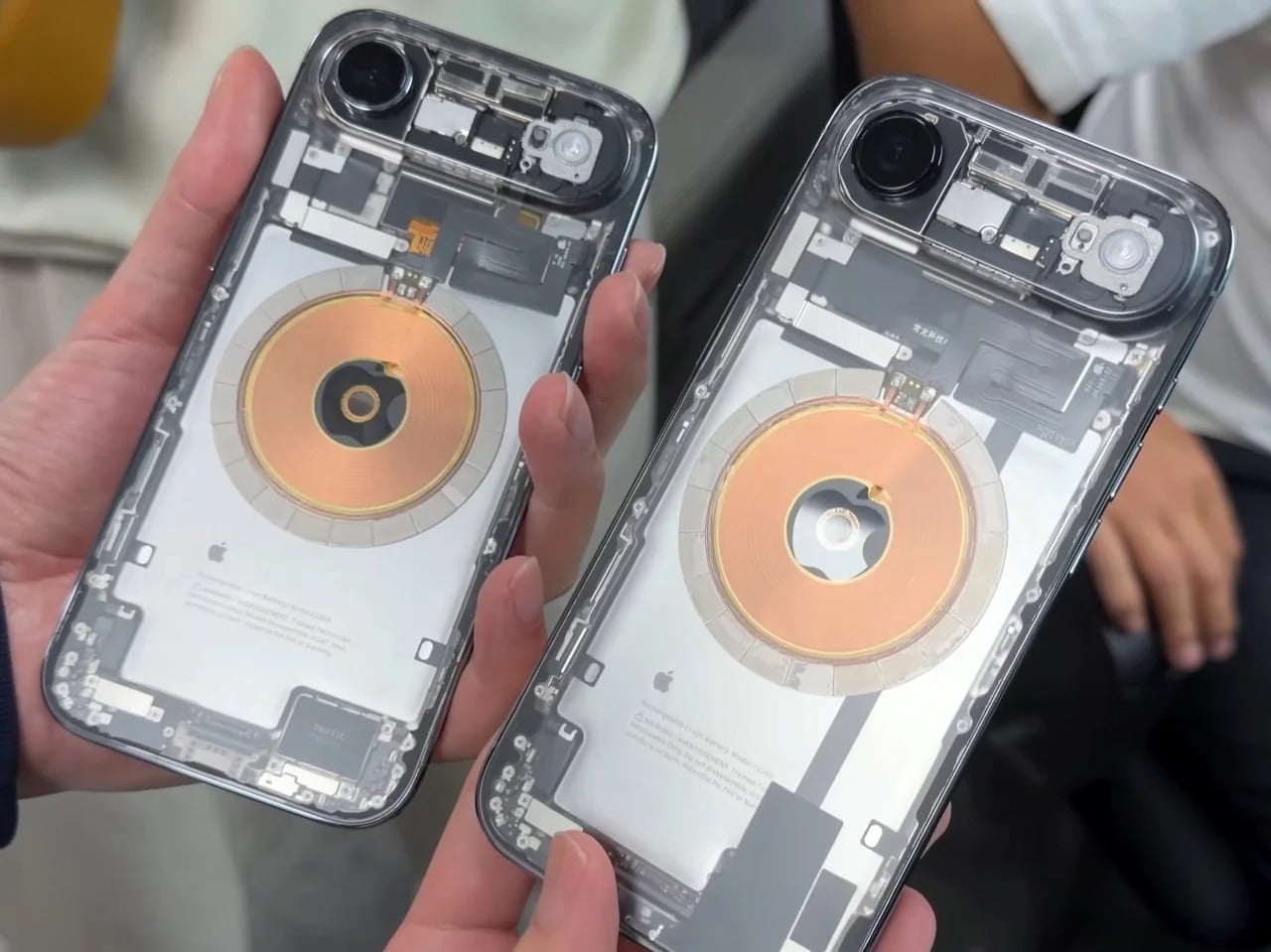
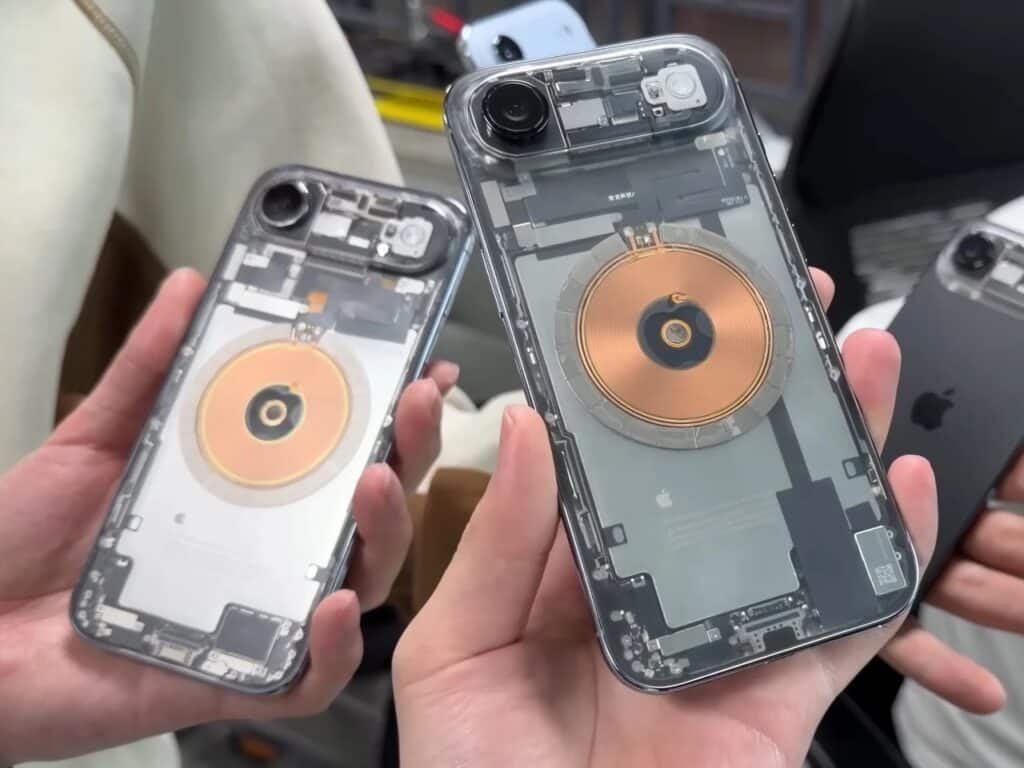
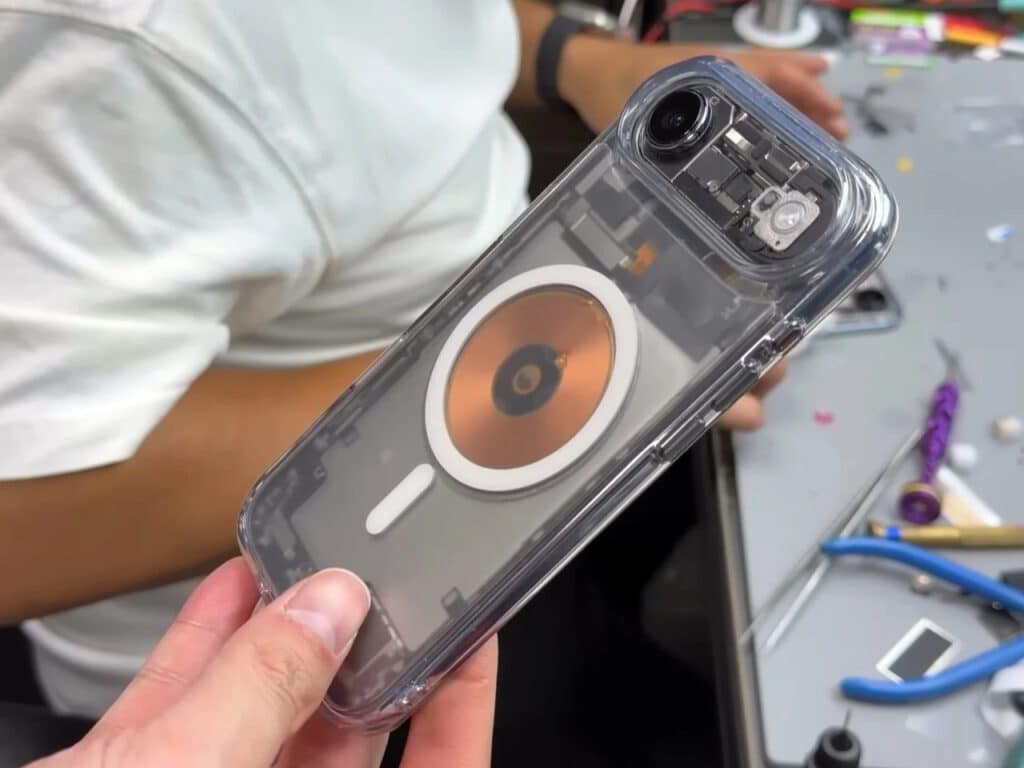
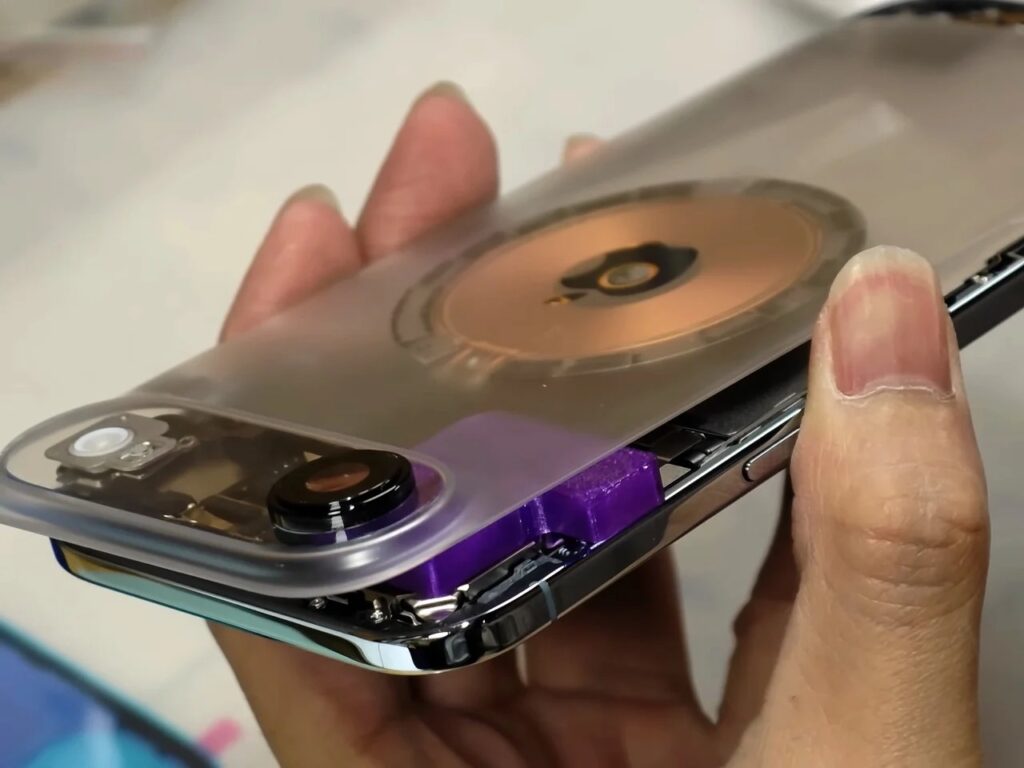
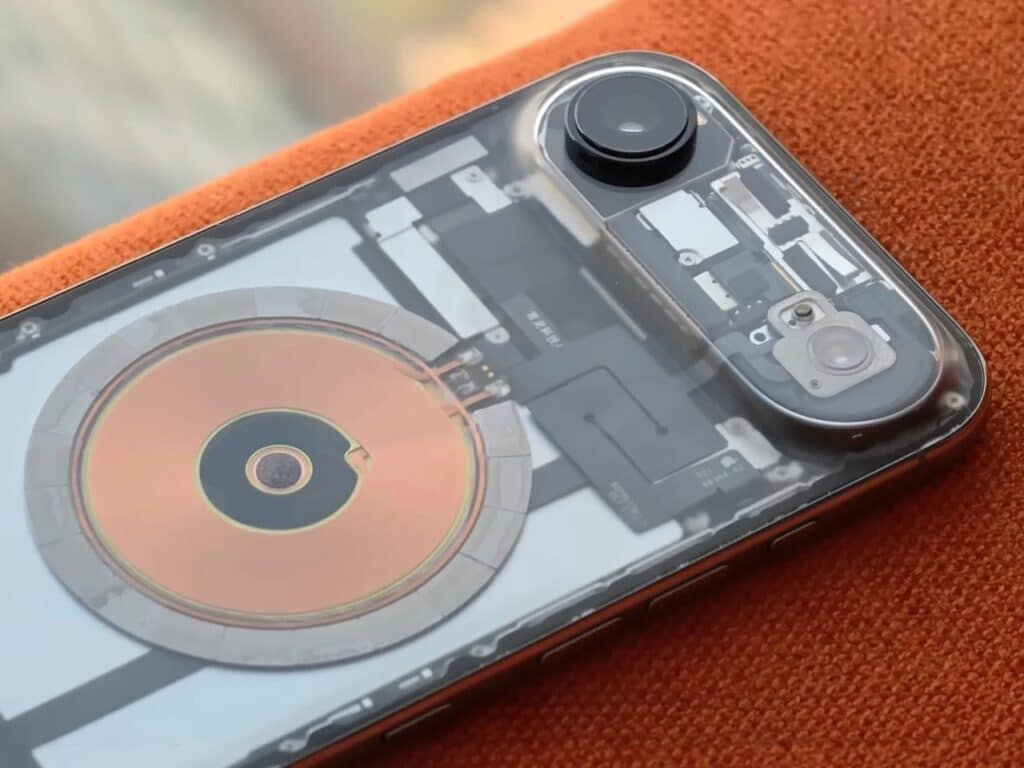
For example, a Taiwanese innovator brought a model of a modern smartphone to the market for redesign. After precise operations under a microscope, the phone was transformed into a fully transparent version, with some components integrated directly into its structure, demonstrating how electronic devices can be reimagined in unconventional ways. These examples illustrate the vast possibilities for reconfiguration and technical creativity beyond the official boundaries set by manufacturers, similar to exploring innovative projects in architecture.
Reconfiguration as a Learning Experience
In the Huaqiangbei market, some innovators use the environment as a live laboratory for experimenting with smartphone redesigns. For instance, a digital content creator built an iPhone equipped with a headphone jack and assembled another phone almost entirely from separate parts obtained within the market itself. These experiments demonstrate the environment’s ability to transform deliberate technical constraints into opportunities for creativity, reflecting concepts often discussed in architectural discussions.
Challenges of Modifying Modern Devices
The area is renowned for its ability to navigate the limitations imposed by manufacturers, such as those set by Apple in the design of its modern phones. However, modifying devices like the compact iPhone poses a significant challenge, requiring careful handling of intricate components designed to fit together with millimeter-level precision, comparable to the precision needed in building materials and construction techniques.
A Blend of Aesthetic and Functional Innovation
In certain cases, innovators pursue multiple modifications on a device, some aesthetic, focusing on appearance, and others structural, aimed at enhancing performance or functionality. These experiments highlight the precision of the skills required and reflect the interplay between technical knowledge and creative imagination in reimagining electronic devices, much like interior design integrates aesthetics with technical functionality.
Internal Component Detection Technology
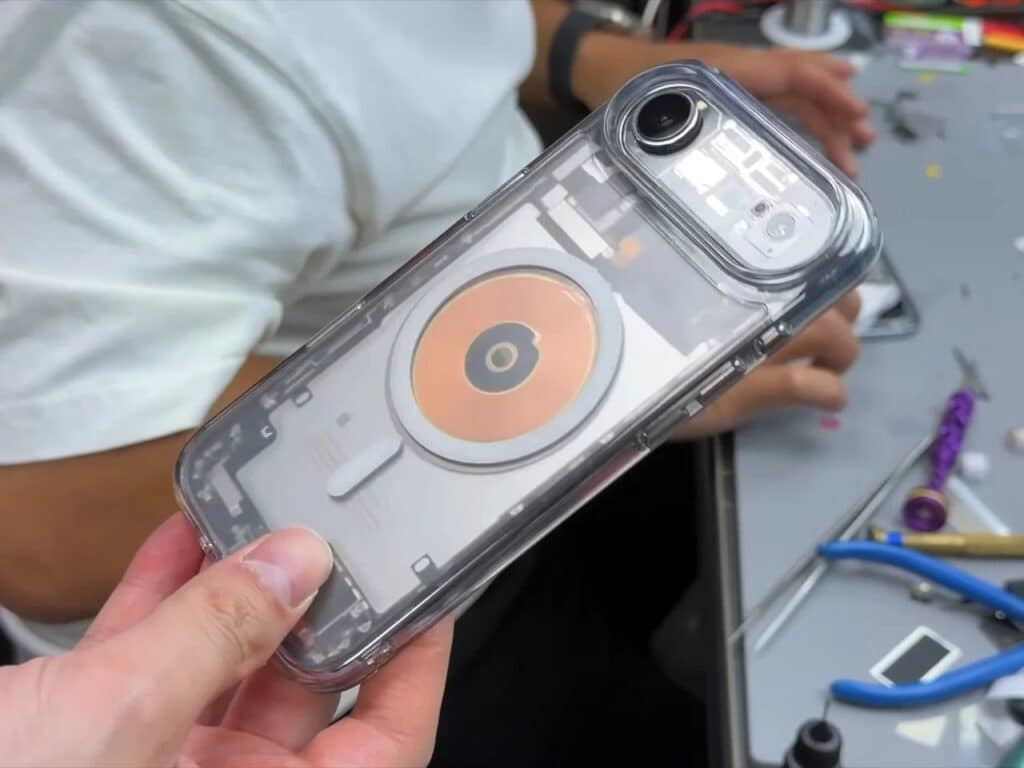
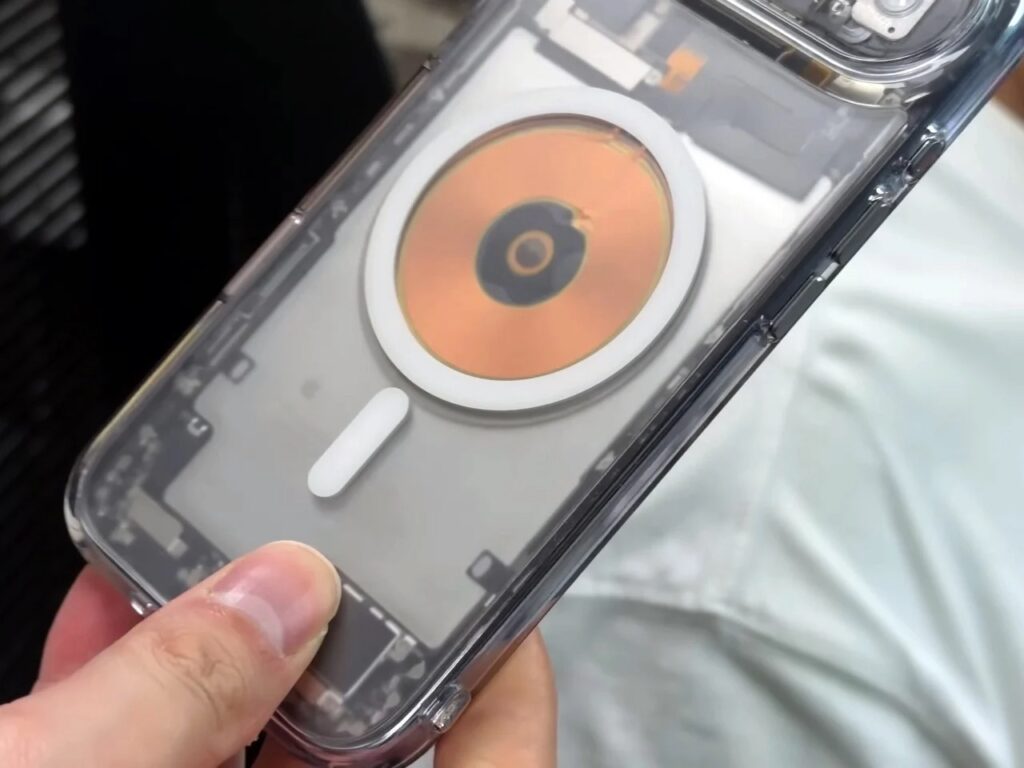
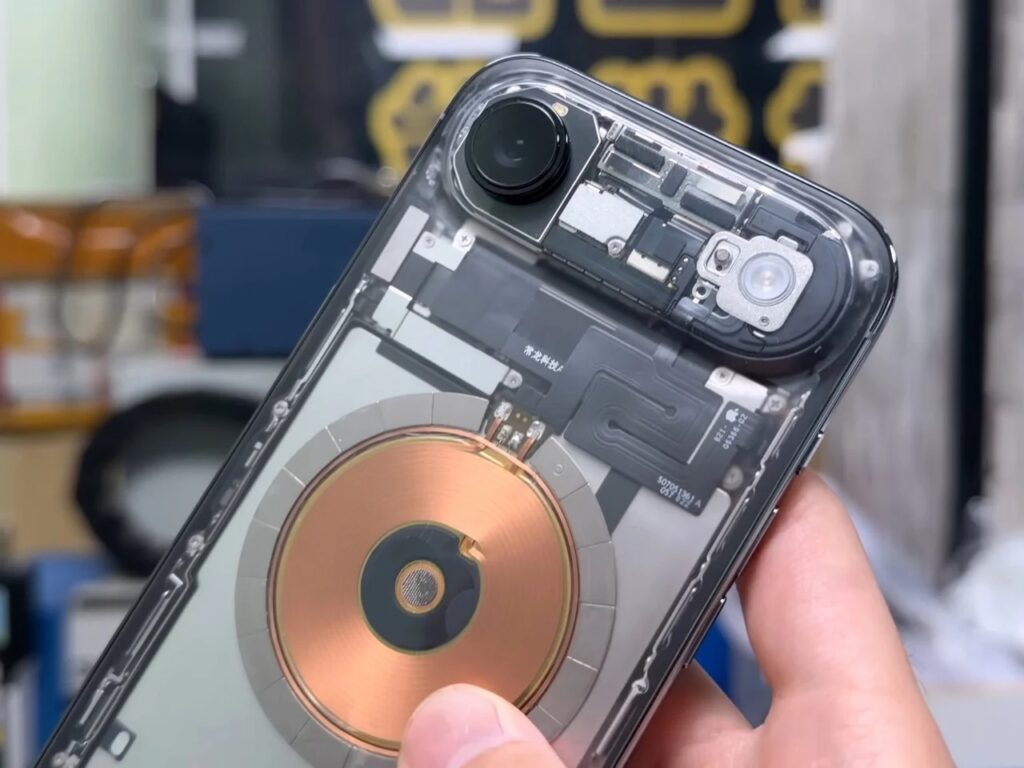
The reconfiguration process began by transforming the phone’s back panel into a transparent surface, a step requiring extreme precision. Technicians used laser technology on the glass backplate to remove the internal coating, taking care not to disturb sensitive components such as the magnetic charging unit located directly beneath it. This process highlights the need for meticulous skill when handling modern devices, a principle shared with detailed building analyses.
Viewing the Phone’s Components
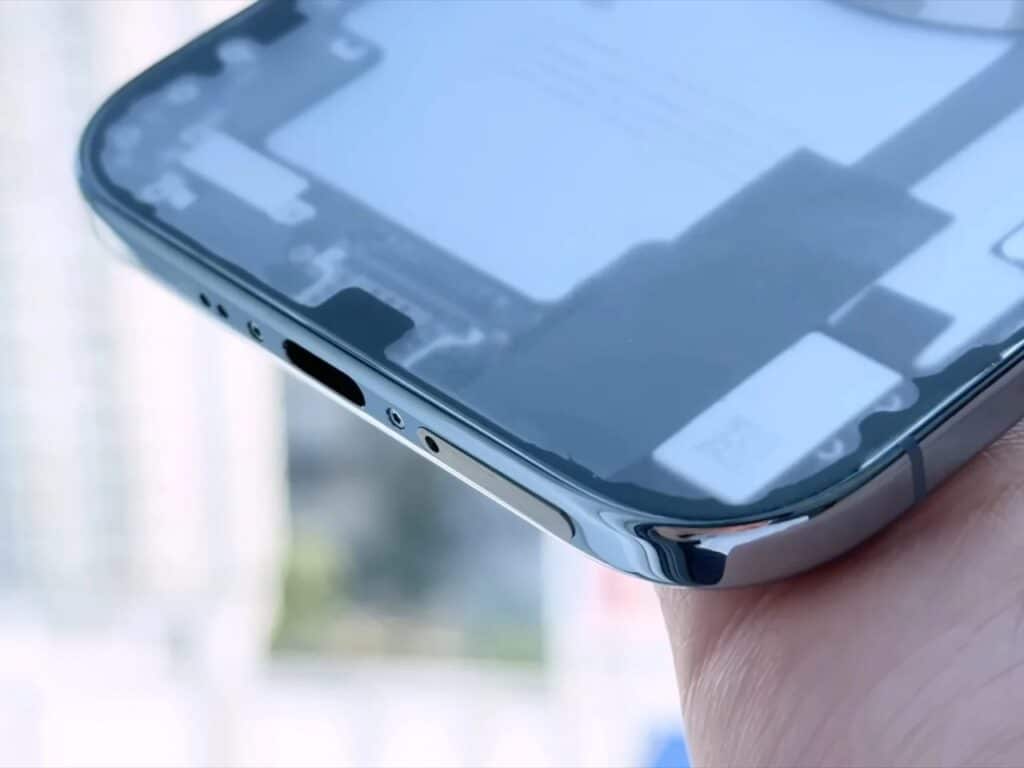
Once the coating was removed, all internal components became visible, including the battery, logic board, shields, connectors, and the flexible cable connecting the upper and lower assemblies. This comprehensive view of the components provides a better understanding of how parts are arranged and function, revealing intricate details that are typically hidden from the end user.
Reimagining the Design
As a result of this modification, the logo appears above the real components, creating a visual effect reminiscent of conceptual design. This experience demonstrates the creative possibilities in reimagining devices, where aesthetic appeal and technical functionality can be combined in new ways, free from the traditional constraints of manufacturers, echoing lessons from architecture and experimental architecture competitions.
Mechanical Challenges in Ultra-Thin Devices
Some modern phones, such as the iPhone Air, feature a design without a physical SIM slot, presenting a major challenge when attempting to modify the ultra-thin metal frame. In this case, technicians had to use CNC machines to carve a precise slot into the frame, while rethinking the arrangement of internal components to ensure compatibility with the new modifications.
Modifying the Haptic Motors
To make room for the SIM tray, the original Taptic motor was completely removed and replaced with a smaller third-party linear motor. These modifications highlight the complexity of redesigning modern devices, where every component is meticulously engineered to fit within extremely limited space.
Performance vs. Design
Despite the changes, the team estimated that the touch response of the new motor reached approximately 98% of the original motor, with minor differences in vibration accuracy between light and heavy patterns. This demonstrates the delicate balance between maintaining a device’s original performance and introducing structural changes, a challenge faced by any innovator seeking to reimagine advanced consumer electronics.
Integration of Components After Modification
The new SIM reader was connected to the motherboard through precise soldering, enabling the phone to recognize a nano-SIM card and connect to a 5G network. Although swapping the card requires a reboot, the process is relatively simple within the workflow, reflecting how meticulous modifications can maintain the core functionality of the device.
Impact of Modification on Cooling and Performance
The team faced challenges related to the device’s thermal profile. Some graphite heat-spreader sheets were lost during the laser process and were not fully replaced, resulting in elevated temperatures under continuous loads. The twenty stress tests conducted by the team revealed clear limitations in thermal performance following the modifications.
Effects of Modifications on Protection and Durability
Due to the structural adjustments and frame carving, the phone lost its water resistance according to the IP68 standard. Additionally, handling delicate components caused the microphone ribbon cable to detach, requiring the phone to be returned for repairs. These cases illustrate the challenges of redesigning ultra-complex devices, where structural changes can impact both durability and protection.
Balancing Benefits and Risks
This experience illustrates how some users choose to accept trade-offs to achieve specific functionalities. In the case of Linzin, the user paid for the original phone and then reinvested in meticulous modifications, accepting reduced thermal performance, loss of water resistance, and voiding the warranty. The decision here is not a luxury but a practical response to a specific need: dealing with eSIMs has become more complicated when frequently switching phones, similar to balancing constraints in architecture projects.
Practical Value vs. Visual Appeal
The modification addresses a real practical problem for a power user while adding unique visual value by clearly showcasing the internal components. This aesthetic appeal could make the device stand out in the secondary market, demonstrating how technological innovation can intersect with design aesthetics in a striking way, reflecting lessons often applied in interior design.
Challenging Technical Boundaries
Huaqiangbei demonstrates its ability to defy manufacturer-imposed constraints that have existed for years, turning what manufacturers consider “impossible” into a feasible reality. This modification serves as a clear example of the creative possibilities available when combining technical skills, engineering precision, and design imagination outside traditional rule boundaries, similar to innovative projects and architecture competitions.
✦ ArchUp Editorial Insight
The reconfiguration experience in Huaqiangbei can be seen as a balance between artistic innovation and technical constraints, an idea that resonates in the fields of architecture and design. On the positive side, the project highlights designers’ ability to reimagine internal spaces and complex structures, akin to exploring structural frameworks and fine details in architectural buildings. This experience provides an important educational perspective on handling interconnected components and finding innovative solutions under strict constraints.
However, the project also imposes several caveats that reflect the nature of practical design versus idealism. The modifications led to compromises in thermal performance and durability, and the loss of certain essential protective features, paralleling, in architecture, the loss of some safety or sustainability elements when reusing materials or altering original structures, as discussed in material datasheets. Moreover, the intense focus on visual and conceptual aspects may reduce practical applicability on a wider scale, highlighting the risks of handling complex systems without clear guarantees, a lesson that can guide architects in considering the limits of innovation versus durability and safety.
Thus, the experience can be drawn upon from an architectural perspective to understand the importance of the interaction between form and function, the potential for intelligent reuse of structures, and the recognition that innovation often comes with practical challenges that must be carefully evaluated before applying it to larger and more complex projects.