Jakub Koźniewski’s Kinetic Text-Based Sculptures: A Fusion of Emotion, Language, and Motion

Exploring the Intersection of Psychology, Technology, and Art
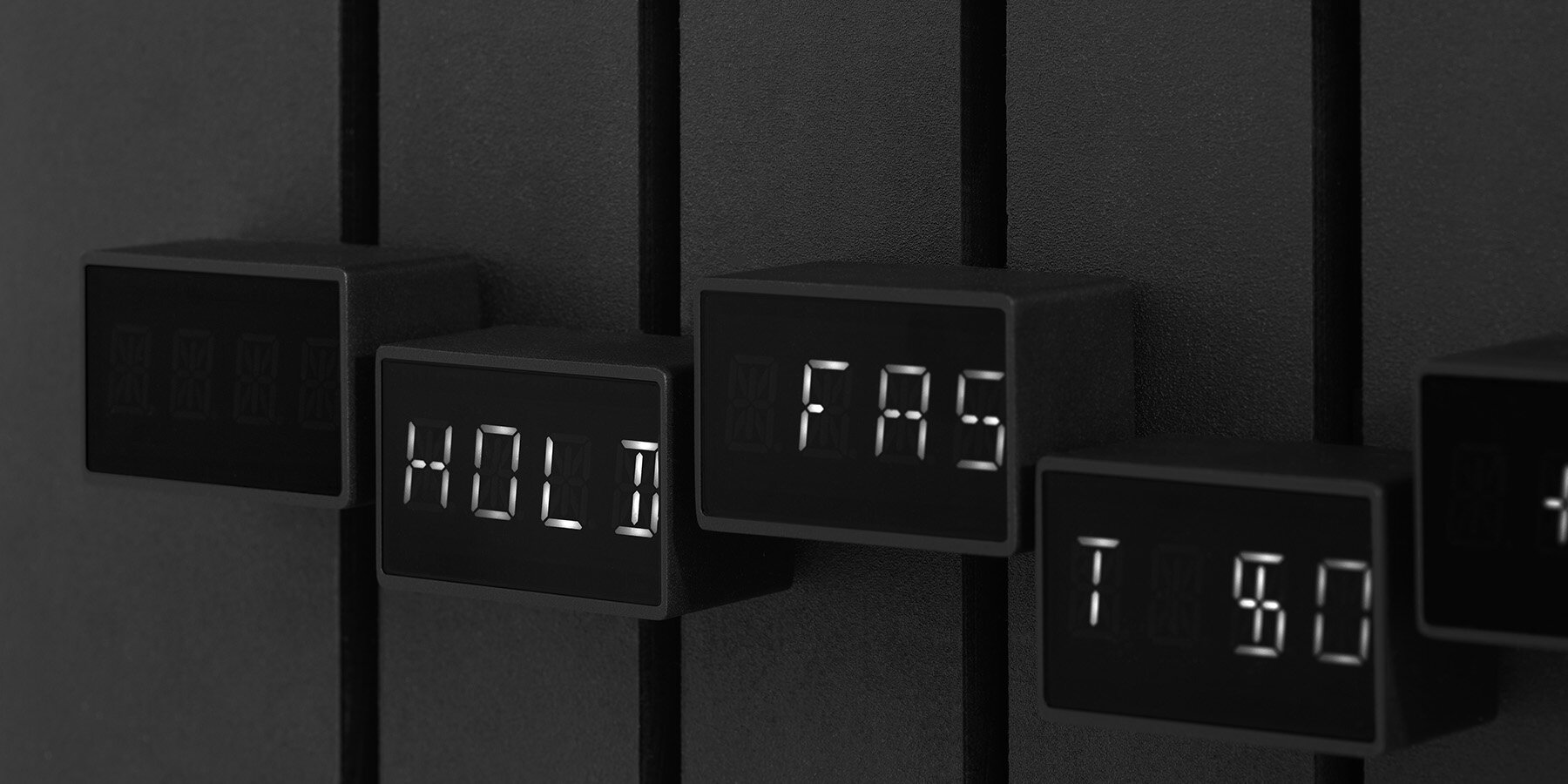
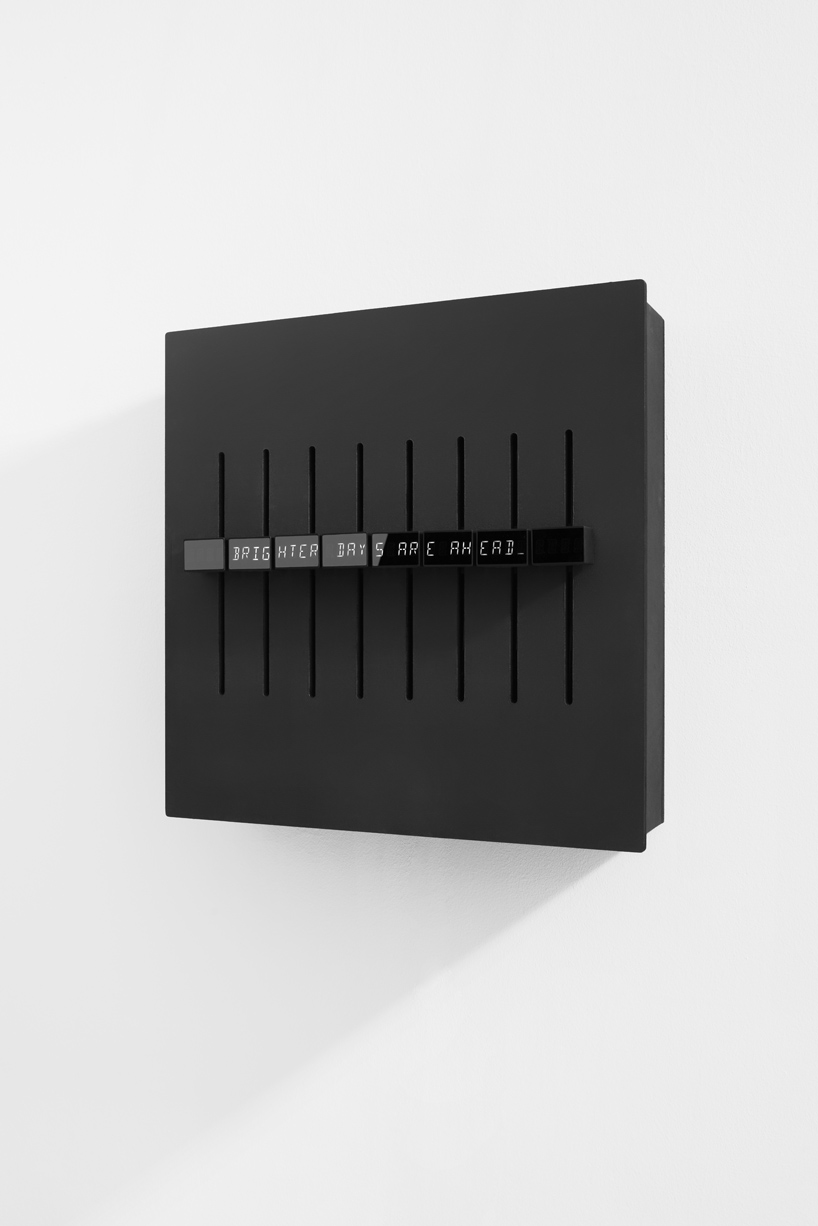
Designer Jakub Koźniewski pushes the boundaries of generative art with his groundbreaking series, Models of Crisis—a collection of three kinetic sculptures that merge algorithmic text generation, mechanical motion, and emotional expression. These hybrid objects serve as a bridge between digital computation and physical performance, offering a unique lens into how technology can model internal psychological states.
By leveraging Large Language Models (LLMs), Koźniewski transforms abstract emotional and cognitive processes into tangible, moving artworks. Each piece functions as a kinetic poem, where language and motion intertwine to reflect human sentiment in ways that are both visually compelling and conceptually profound.
How “Models of Crisis” Digitally Express Psychological States
Koźniewski’s work explores how data-driven simulations—typically applied to fields like climate science, economics, and linguistics—can also be used to visualize subjective mental experiences. Each sculpture integrates:
- Algorithmically generated text (produced by LLMs trained on emotional and psychological datasets)
- Mechanical motion systems (creating dynamic, rhythmic movements)
- 14-segment alphanumeric displays (presenting the text in an evolving, performative manner)
The result is a series of kinetic, text-based sculptures that act as physical manifestations of inner turmoil, anxiety, and fleeting positivity.
Breaking Down the Three Kinetic Sculptures
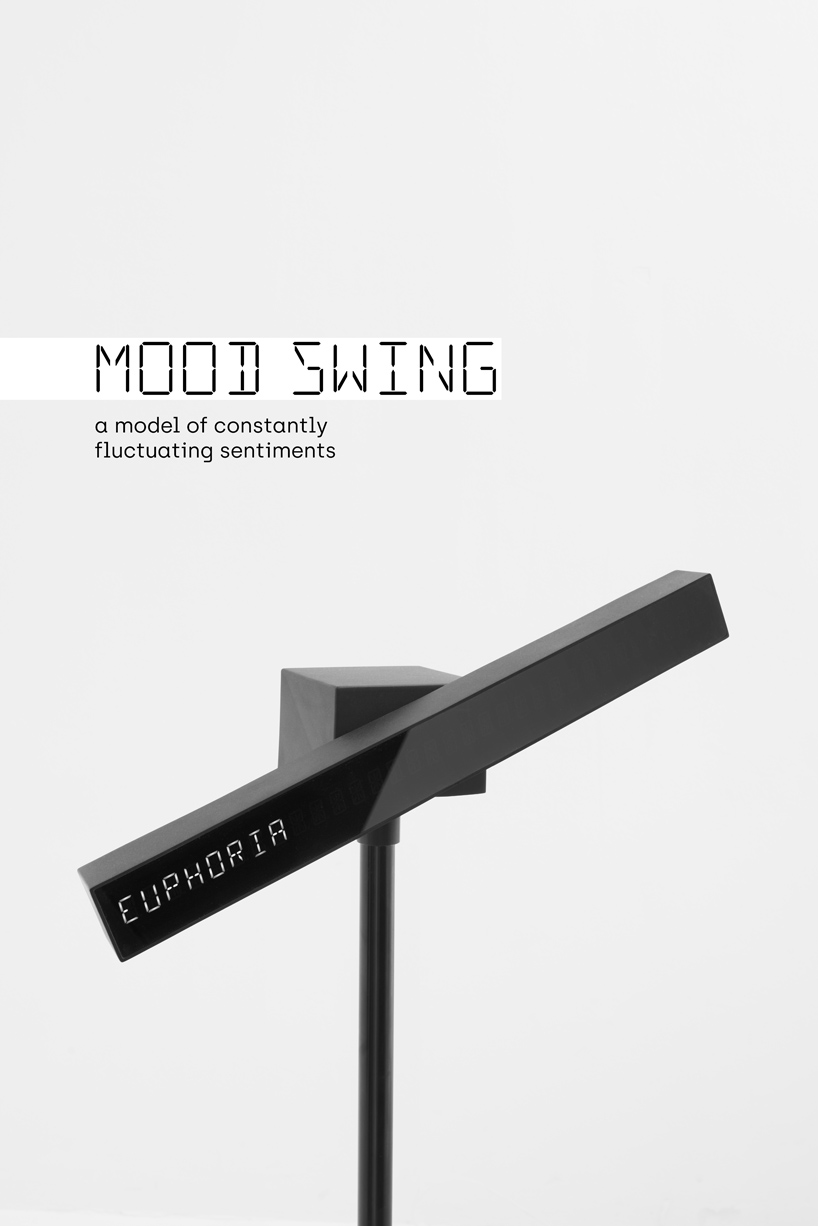
1. Mood Swing: Visualizing Emotional Instability
- Concept: Represents the unpredictable fluctuations of human emotions.
- Mechanism: The display shifts in rhythm with mechanical motion, mimicking the erratic nature of mood changes.
- Psychological Insight: Reflects how emotions are never static—constantly swinging between highs and lows.
2. Train of Thought: The Endless Loop of Overthinking
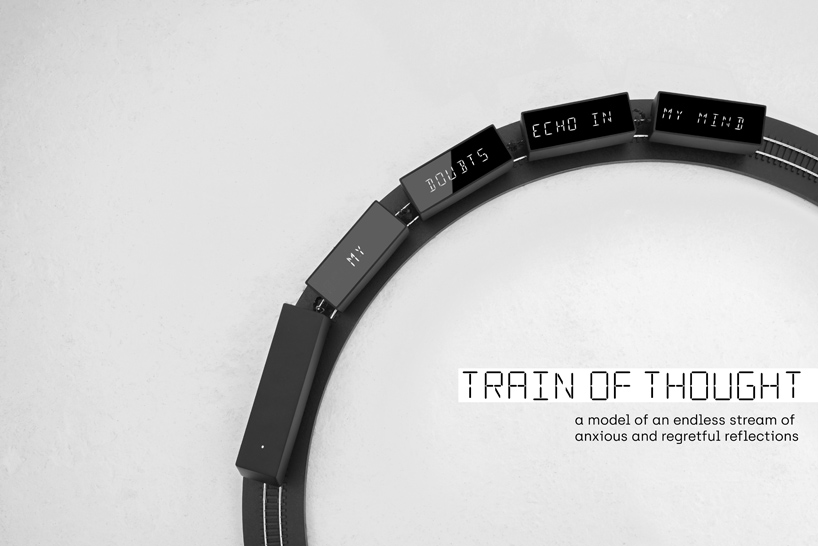
- Concept: Simulates anxious, recursive thinking patterns.
- Mechanism: A continuously scrolling text delivers an uninterrupted stream of regretful and anxious reflections.
- Psychological Insight: Demonstrates how the mind can get stuck in cognitive loops, replaying the same thoughts without resolution.
3. Rise & Shine: The Illusion of Positive Reinforcement
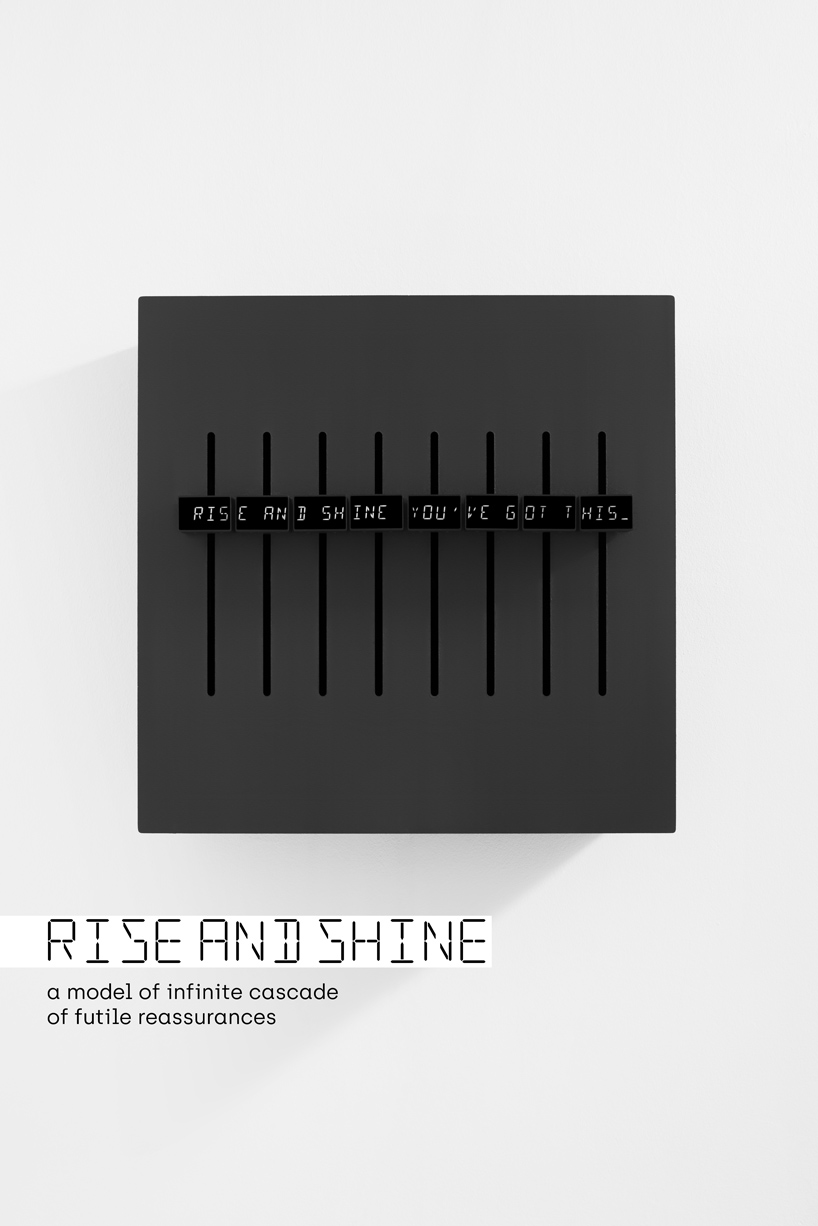
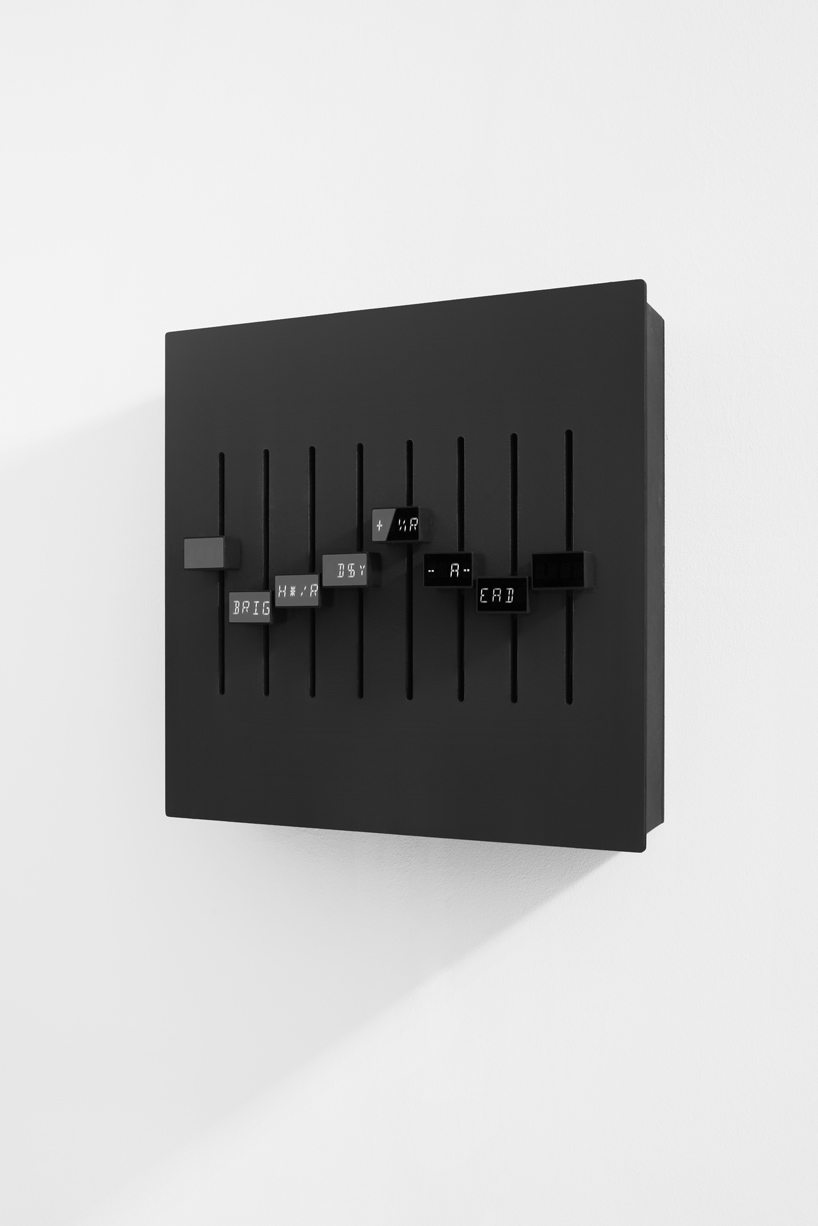
- Concept: Cycles through affirmative statements in a cascading motion.
- Mechanism: The physical movement mirrors repetitive self-reassurance, yet the motion itself feels mechanically rigid, hinting at the hollowness of forced positivity.
- Psychological Insight: Critiques how surface-level optimism can sometimes feel unfulfilling or performative.
The Artistic and Computational Influences Behind the Work
Koźniewski’s Models of Crisis draws inspiration from:
1. The OuLiPo Movement (Constraint-Based Literature)
- A literary group that embraced algorithmic and rule-based writing.
- Koźniewski applies similar structural constraints, but through digital and mechanical systems rather than pure text.
2. Generative Art & Human-Computer Interaction
- Uses LLMs not just for chatbots, but as tools for emotional abstraction.
- Questions how AI-generated text can be embodied in physical form.
3. Kinetic Sculpture & New Media Art
- Follows in the footsteps of artists like Jean Tinguely and Nam June Paik, who merged motion with meaning.
- Expands on text-based art (e.g., Jenny Holzer) by adding generative and interactive layers.
Why This Work Matters: The Future of Emotion-Driven Design
Koźniewski’s project opens new possibilities for:
Digital-Physical Hybrid Art – Blending AI text generation with kinetic sculpture.
Mental Health Visualization – Making abstract emotions tangible through motion and language.
Human-AI Collaboration – Using LLMs not just for utility, but for emotional and artistic expression.
As technology evolves, works like Models of Crisis challenge us to rethink how machines can interpret, reflect, and even empathize with human psychology.
Catch up on the latest projects, trends, and bold ideas in the world of “architectural” content on ArchUp.