

Javier’s: Integrating Contemporary Architecture with Mexican Culinary Heritage

The Integration of Architectural Design and Urban Functions
The contemporary design of Javier’s restaurant exemplifies how touches inspired by futuristic places of worship can be seamlessly integrated into a modern urban environment. Situated in the heart of a bustling urban network in downtown Los Angeles, the restaurant reflects its influence on the surrounding architectural landscape.
In addition to its central location near landmarks such as the Crypto Hall and Moxy Hotel, this venue demonstrates how architectural design can interact with the daily rhythm of the city, creating a cohesive spatial experience that blends aesthetic appeal with practical functionality.
Open Spaces and the Discovery Experience
The restaurant’s expansive and open layout highlights how architecture can create layers of discovery in every corner, inviting visitors to engage with the space in an interactive and exploratory way.
Heritage Inspiration with a Contemporary Vision
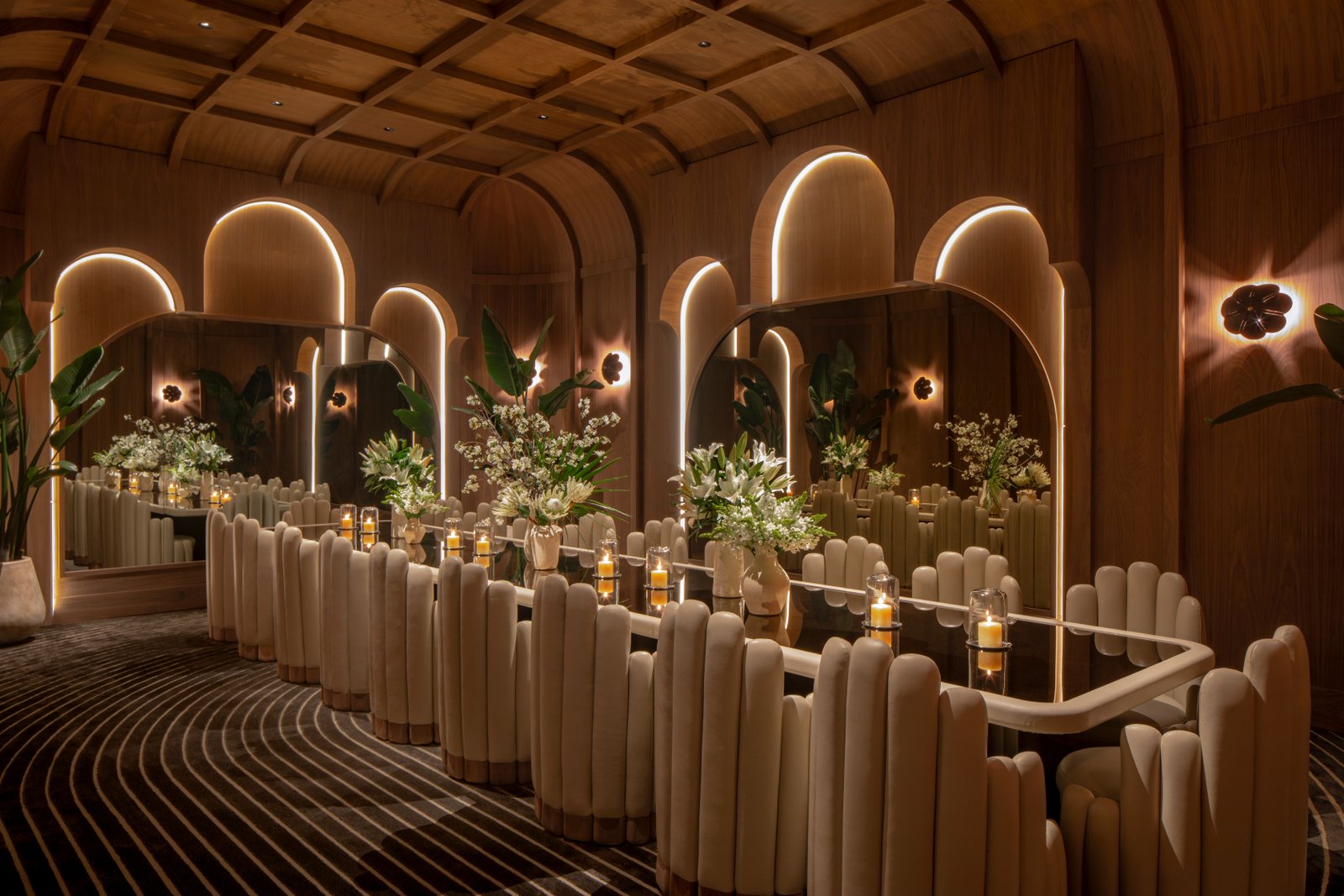
Architect Gulla Jónsdóttir, also known for designing the Cabo branch and the Sandbourne Hotel in Santa Monica, drew inspiration for the restaurant from historic Mexican churches. However, she reinterpreted this heritage through a contemporary lens, emphasizing a sense of freedom and joy that has become particularly significant in the post-pandemic era.
Materials and Details to Enhance the Sensory Experience
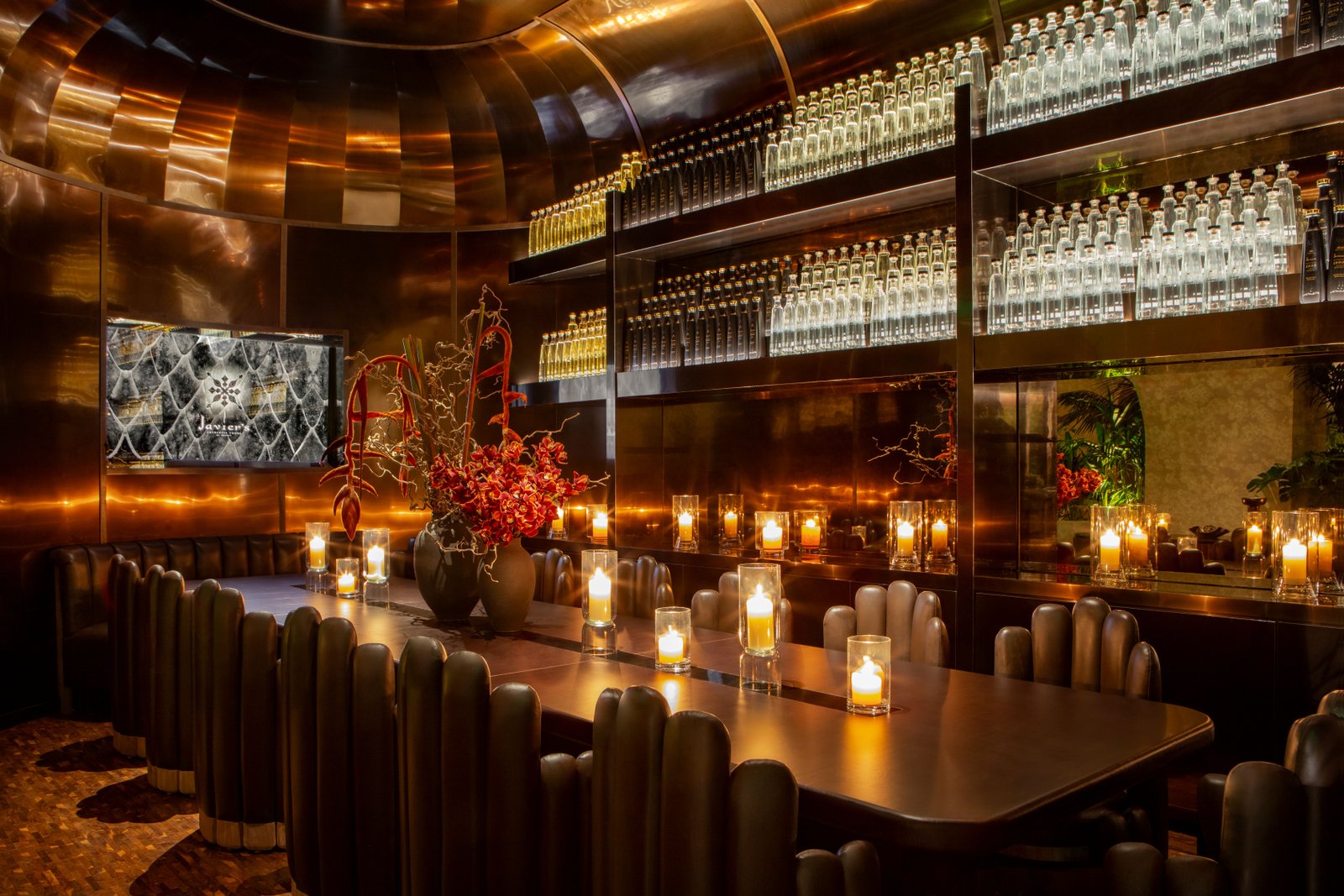
The materials used contribute to the overall atmosphere of the space: hand-polished plaster walls, natural stone, aged metals, along with soft sun-washed colors, all work together to create a comforting and uplifting environment, allowing visitors to feel serenity and delight simultaneously.

Entrance and Bar: A Meeting of Art and Function
At the entrance, a towering wooden arch reminiscent of a cathedral dome frames the bar, reflecting the architectural character inspired by places of worship. Opposite it, uniquely shaped white bar stools resembling organ keys add a distinctive artistic visual dimension to the space.
Communal and Individual Seating Areas
Near the bar, seating clusters adorned with greenery provide communal spaces for enjoying full meals on elegant white leather tables. Meanwhile, the “Altar” section at the back conveys a desire for a calmer atmosphere with semi-enclosed seating, private dining rooms, long shared tables, and an intimate rear bar.
Thoughtful Details: The Art of Mindful Design
Even the sculpture by Scott Brown at the end of the arched, white-lit corridor leading to the restrooms demonstrates how every design detail is meticulously considered, enhancing the visitor’s experience and adding integrated aesthetic and functional value to the space.
The Diversity of Mexican Cuisine in a Modern Culinary Experience
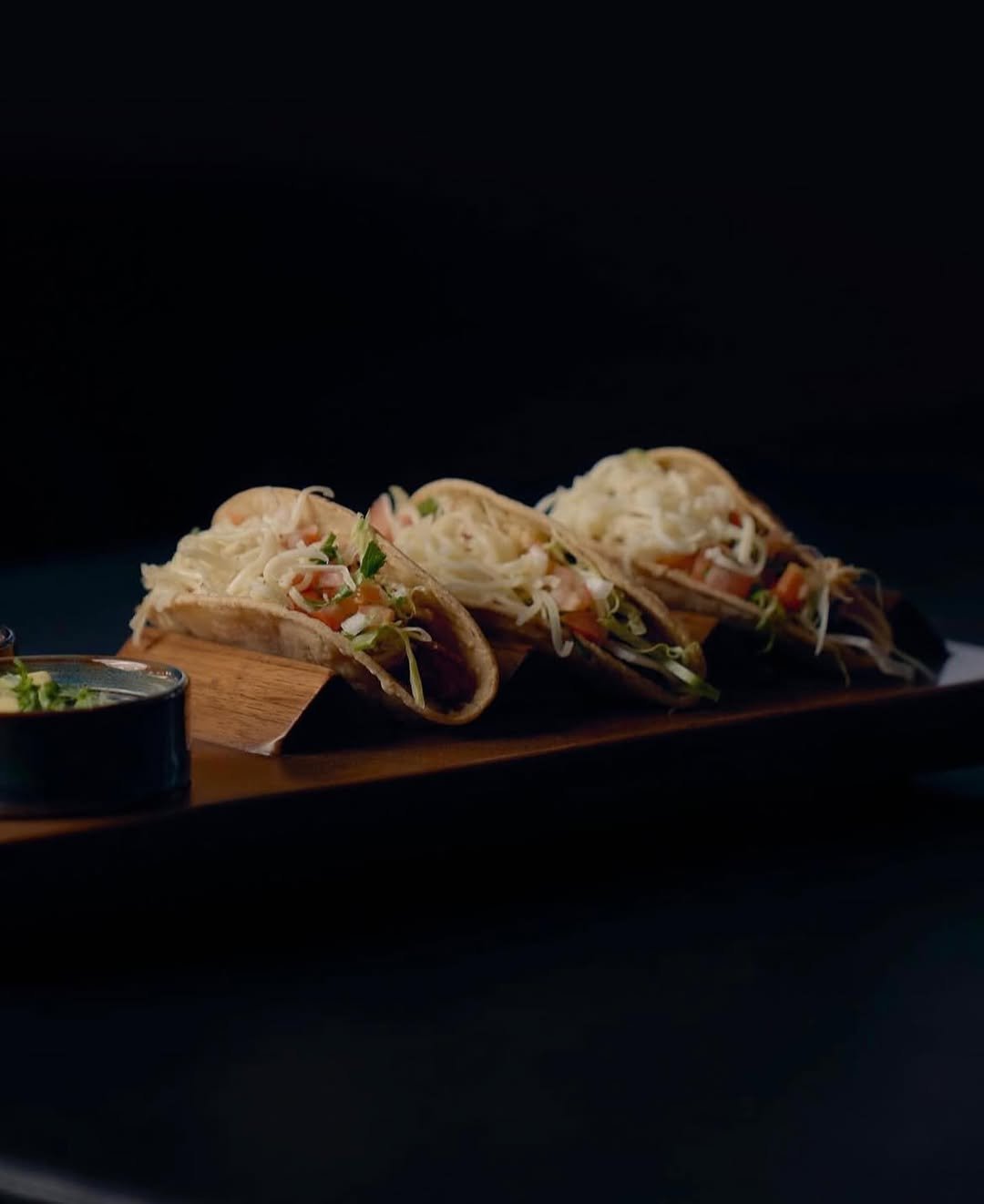
The menu draws inspiration from various regions of Mexico, featuring traditional recipes shared by the chefs and their families, reflecting a strong connection between cuisine and cultural heritage.
Innovation in Beverages
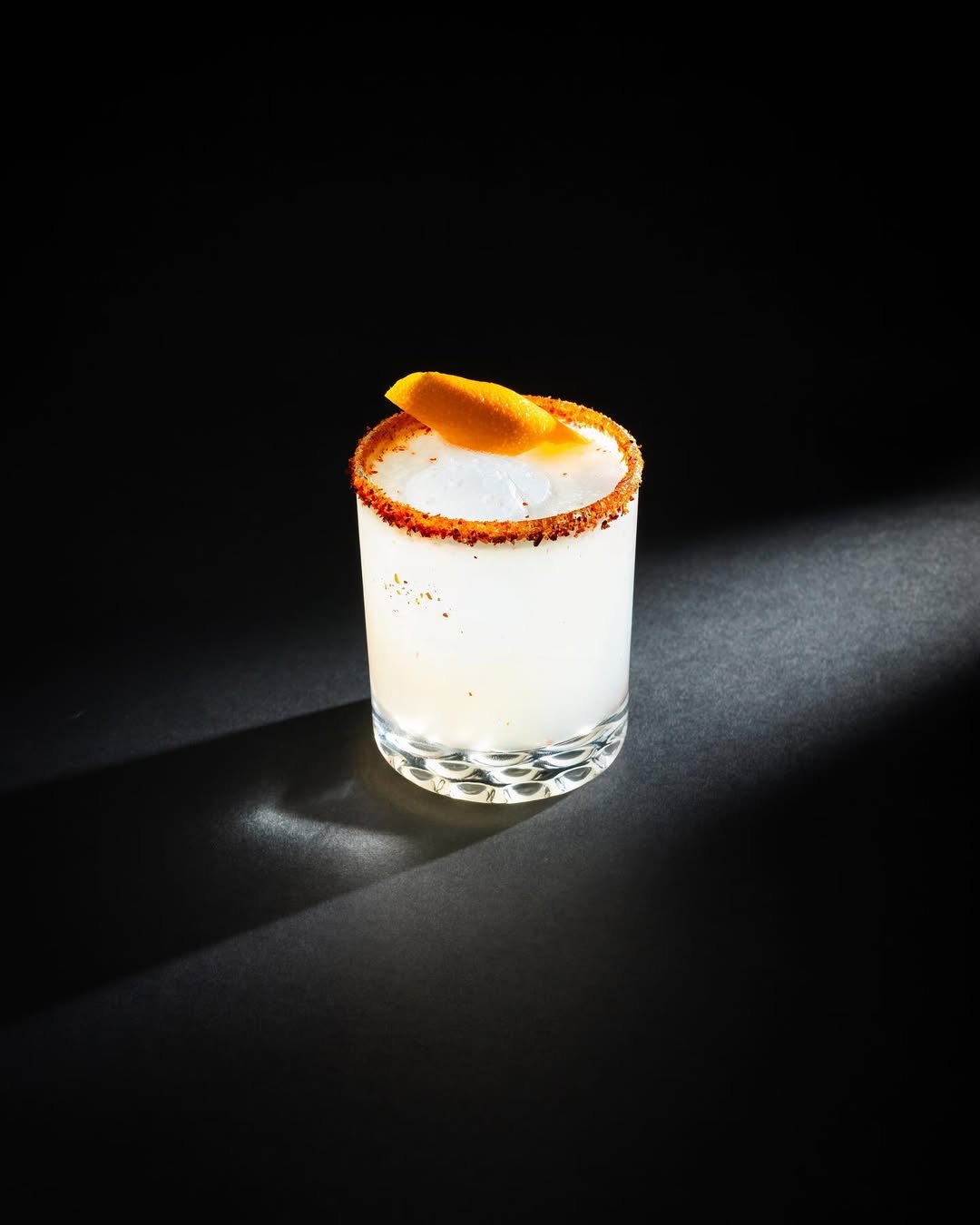
At the bar, a variety of traditional drinks such as tequila and mezcal are offered, highlighting a focus on ingredient quality and cultural history. These selections allow visitors to experience Mexican beverages in harmony with the culinary journey.
Sustainable Seafood
The menu emphasizes sustainably sourced seafood from regions such as Santa Monica and the Baja coast. Signature dishes include a fresh crudo trio featuring tuna, octopus, and shrimp, alongside a diverse range of enchiladas that showcase the richness of Mexican coastal cuisine.
Focus on Quality in Meats
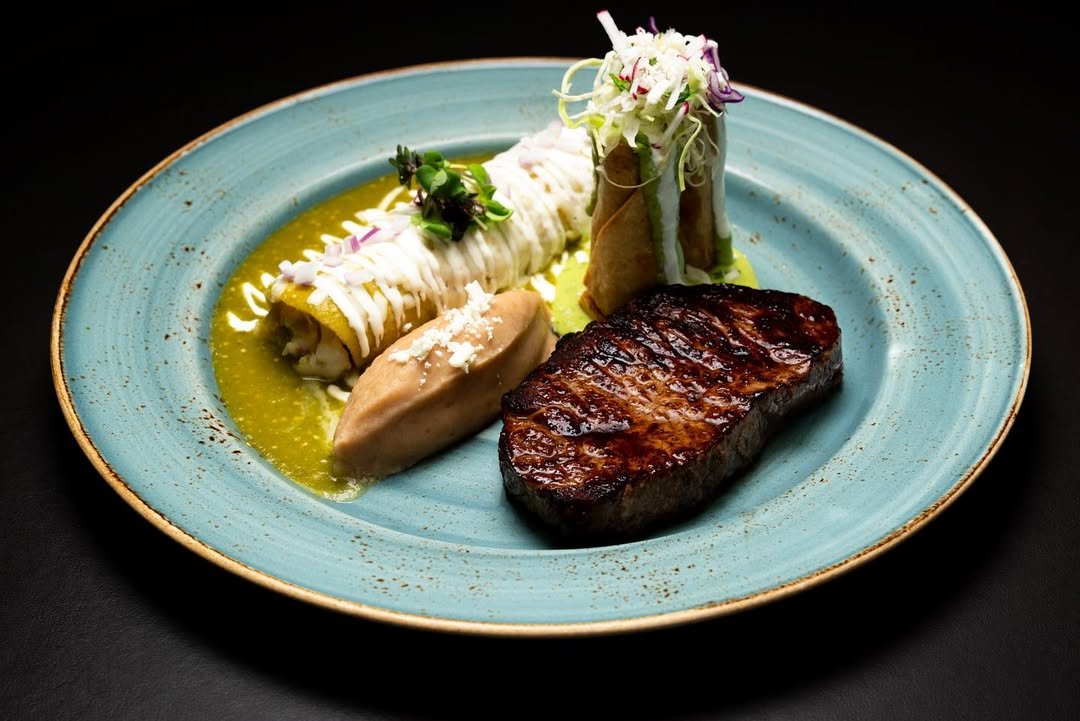
The restaurant demonstrates its commitment to meat quality by offering carefully crafted steaks, including prime Angus beef from Omaha, Nebraska, corn-fed and meticulously aged. This approach reflects a dedication to combining rich flavors with sustainable production practices.
Desserts and the Taste Experience
Desserts range from churros to tres leches cake, highlighting innovative creations such as guava fruit cheesecake topped with whipped cream. These offerings provide a balance of sweetness and freshness, adding a distinctive sensory dimension to the dining experience.
✦ ArchUp Editorial Insight
Javier’s restaurant offers a unique experience that combines architectural design inspired by Mexican heritage with a contemporary character, alongside a diverse menu reflecting the authenticity of Mexican cuisine. The open spaces, carefully selected materials, and intricate decorative details provide visitors with a sense of comfort and delight, while also highlighting ingredient quality and a commitment to sustainability in the dining experience.
However, some may feel that the intense character of the luxurious architectural design and certain interior spatial elements can dominate the sensory experience, making the focus on food less pronounced in some areas. Nonetheless, the project remains an exemplary demonstration of how contemporary architecture can be integrated with heritage and culinary culture, offering an environment that encourages discovery and interaction.
Prepared by the ArchUp Editorial Team
Don’t miss the chance to explore more from Architecture in fields like Design and Projects on the ArchUp website.


