Karachi fire in urban shopping center downtown 2026

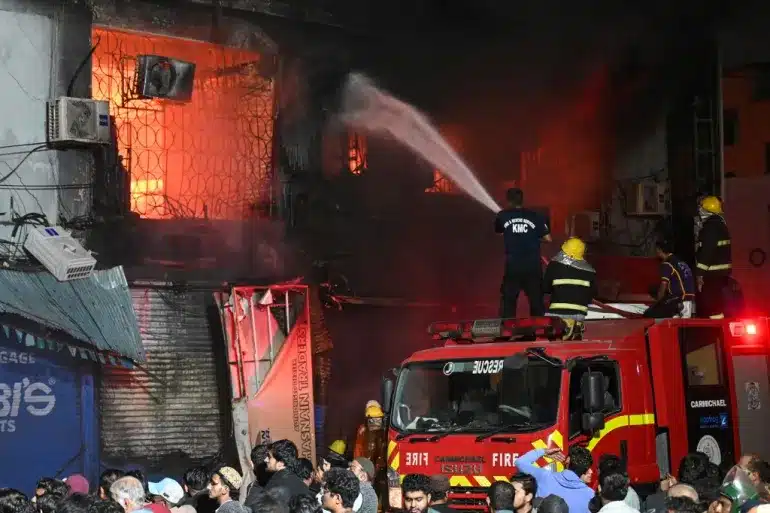
Karachi fire erupted on January 18, 2026, inside a multi-storey commercial complex in downtown Karachi, killing six people and destroying large sections of the building. Such fires now occur frequently in dense cities where authorities delay safety retrofitting. The incident reflects ongoing design and regulatory failures in commercial buildings and shifts attention from emergency response toward architectural responsibility and proactive planning.

Urban Context and City Fabric
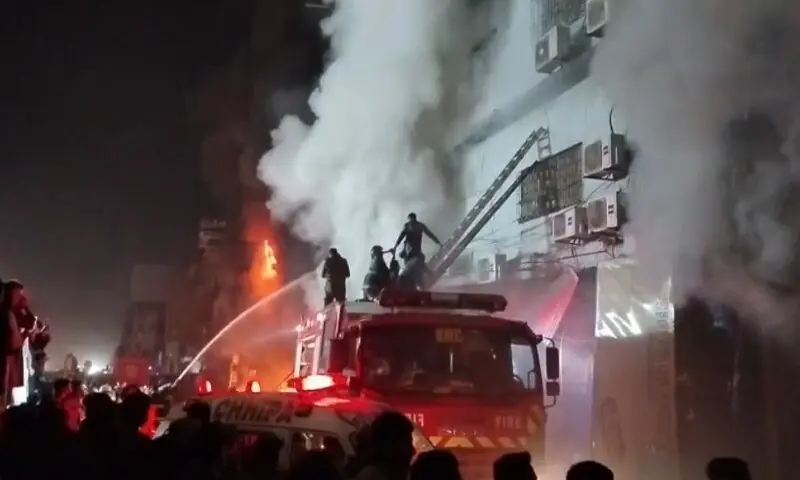
The shopping center is located in an aging high-density commercial district with mixed uses and narrow surrounding streets. These conditions reveal persistent weaknesses in cities and urban planning, where infrastructure upgrades have not kept pace with increasing commercial pressure. During the fire, limited access hindered emergency crews and expanded damage to adjacent blocks.
Architectural Configuration and Evacuation Routes
Field observations show that internal circulation relied on narrow corridors and limited staircases, a common pattern in older buildings converted for retail use. Exit locations and quantities did not meet occupancy needs, slowing evacuation during the Karachi fire. This highlights the importance of integrating interior design with safety standards during renovation.
Materials and Structural Performance
Extreme heat damaged load-bearing elements and caused partial collapses. The building depended on conventional building materials with low fire resistance, exposing the gap between modern safety requirements and the structural reality of many commercial buildings, most of which operate without systematic upgrades.
Functional Overlap and Risk Accumulation
The complex combined retail areas with storage spaces, a common setup in dense commercial districts. In architectural design practice, such overlaps increase fire loads and ignition sources. The fire raises questions about regulatory enforcement in construction processes and the requirement for functional separation.
Documentation and Architectural Analysis
On-site images show extensive damage to facades and internal spaces. This positions the incident as a reference case for research. Beyond breaking news coverage, it confirms the role of editorial analysis in linking disaster outcomes to accumulated design and planning decisions.
Rehabilitation and Sustainability Implications
Investigations continue, but the Karachi fire renewed discussions on integrating sustainability and safety in commercial building rehabilitation. Measures include upgrading materials, redesigning circulation, and reorganizing interior spaces, moving beyond reactive fixes that fail to address systemic risks.
Architectural Snapshot : Commercial density becomes a structural threat when safety design remains unresolved.
✦ ArchUp Editorial Insight
Recurring commercial fires in dense cities emerge from consistent behavioral and economic patterns. Operators manage buildings as short-term assets, defer safety upgrades, and prioritize cost reduction over systemic resilience. This cycle reflects mobility pressure and consumption intensity within cities, not isolated building failures.
At the decision level, outdated codes intersect with permissive approvals and insurance models that emphasize response rather than prevention. Risk management treats fire as a possibility, not as a predictable outcome of accumulated regulatory and operational choices within construction systems.
At the architectural endpoint, commercial buildings materialize these pressures through congested layouts, constrained circulation, and reliance on conventional building materials. Architecture appears last, not as a cause, but as the logical outcome of deferred decisions embedded in the system.