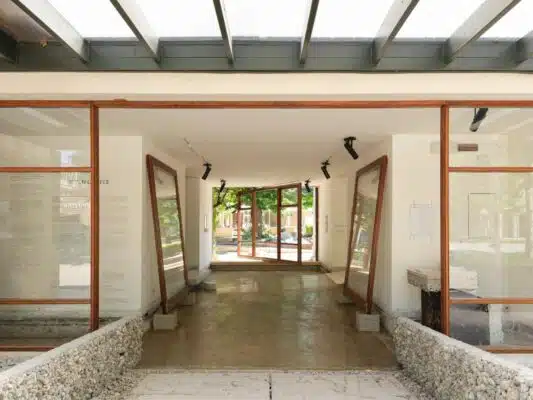
Klegod Summer House: Architectural Design Integrating Interior Spaces with the Natural Environment

Klegod Summer House Design: Integration with Nature
Project Concept
The Klegod Summer House was designed to be a tranquil, long-lasting retreat among the sand dunes. The design aims to make wind, light, and seasonal changes an integral part of the daily living experience, allowing residents to engage continuously with the natural surroundings.
Location and Climatic Challenges
The house is located on the western coast of Jutland near the North Sea, where strong winds and weather fluctuations are defining features of the area. These climatic conditions required a sensitive architecture that balances comfort and sustainability, protecting the building from the elements without compromising the beauty of the surrounding environment.
Functional Program and Planning
The project was commissioned to serve a multi-generational family, with spaces designed for the couple and the ability to host children and grandchildren during family gatherings. Therefore, the project focuses on creating a contemporary summer house that combines a serene atmosphere with durable materials, featuring a layout suitable for year-round use, whether for short stays or extended visits.
Integration with Nature
One of the key design principles was to build with care, preserving the existing vegetation. Rather than reshaping the natural landscape, the house was designed to settle harmoniously within its environment, enhancing the integration of architecture with nature and offering residents a renewed experience with each season.


Primary Design Objective
The project focuses on creating a sturdy and simple architecture that responds precisely to the site’s requirements. The building is positioned to minimize visual impact on the surrounding environment while providing effective protection against prevailing winds. The design also aims to achieve a carefully considered balance between openness to nature and the preservation of privacy and shelter.
Southwest Terrace: A Point of Interaction Between Inside and Outside
To the southwest, a covered terrace has been designed as a protected transitional space between the interior and exterior. Adjustable wind screens made of translucent fabric allow the space to be opened or closed as needed, responding to sunlight, wind movement, scenic views, and privacy requirements.
Light and Function Across Seasons
After sunset, the closed screens cast a soft glow, transforming the terrace into a kind of “natural lantern” within the surrounding landscape. This adaptable outdoor room also plays a pivotal role in extending the living spaces, enhancing the usability of the house and encouraging engagement with daily life throughout the changing seasons.


Openings and Light: Enhancing Connection with the Environment
The openings have been carefully designed to connect the interior spaces with the sand dunes and the sky, creating a continuous sensory experience with the natural surroundings. In contrast, the more enclosed façades provide a sense of refuge and security during stormy days. Light is regarded here as an active material element, changing throughout the day and enriching the living experience by strengthening the house’s relationship with its environment.
Architecture as an Integrated Unit
The house is conceived as an integrated unit encompassing the building, interior spaces, and furniture. Fixed furnishings and built-in elements harmonize precisely with the proportions of interior spaces, allowing rooms, surfaces, and functions to merge into a cohesive experience. Rather than being considered separate additions, furniture and décor form an essential part of the architectural structure, enhancing a sense of calm and continuity throughout the home.


Materials and Construction Techniques: Durability and Authenticity
The design maintains simple and feasible construction techniques, relying on a traditional timber structure with precise detailing at the joints to ensure stability and durability. Material choices were guided by long-term performance rather than aesthetics alone. The exterior is clad in untreated wood, expected to naturally change color and weather over time, allowing it to blend seamlessly with the soft tones of the surrounding landscape. Inside, the color palette is calm and tactile, emphasizing honest materials and meticulous craftsmanship.
Spatial Organization: Balancing Openness and Privacy
The plan is organized with a clear hierarchy of spaces. Shared living areas are placed at the center, while bedrooms and more private functions are positioned toward the edges to provide a tranquil retreat and privacy for residents. Subtle variations in ceiling height and lighting conditions create visual richness without increasing the floor footprint, enhancing a balanced and comfortable living experience within the interior spaces.
Sense of Belonging: Architecture in Continuous Interaction
The Klegod Summer House aims to belong to its place rather than serve as a mere architectural statement. Over time, weathering, light, and use will continue to shape the building, strengthening the relationship between architecture, landscape, and its inhabitants. In this way, the house becomes a living part of its environment, responding to natural changes and reflecting the ongoing interaction between humans and nature.
✦ ArchUp Editorial Insight
The Klegod Summer House can be viewed as a model illustrating how architecture can be integrated with the natural environment, with several noteworthy points. Among the positives, the project demonstrates a clear attention to blending with the surrounding landscape and the use of light and spatial arrangements to enhance the living experience. It provides an opportunity to study how the interaction between the building and its environment affects residents’ sense of privacy and openness.
However, the design raises certain questions regarding flexibility and long-term functional performance, particularly in response to the region’s harsh and seasonal weather conditions. The reliance on untreated materials and exposed timber may also require careful maintenance to ensure sustainability and could be challenging to implement in locations with different climatic conditions. From a planning perspective, some may find that the central organization of shared spaces, with private rooms positioned at the edges, limits the potential for future adaptation of interior functions or more flexible family use.
Additionally, designers and students can benefit from the project as a case study to understand how architectural design can harmonize with nature without sacrificing functional comfort. It emphasizes that architectural concepts always require a precise practical approach when applied in real-world conditions. The project offers rich material for analysis and discussion regarding the relationship between design methodology, material choices, and the interaction of light and spaces, which can inspire more flexible and adaptable design strategies for diverse environments.