Restoration as Resistance: Preserving Kyiv’s Architecture During War

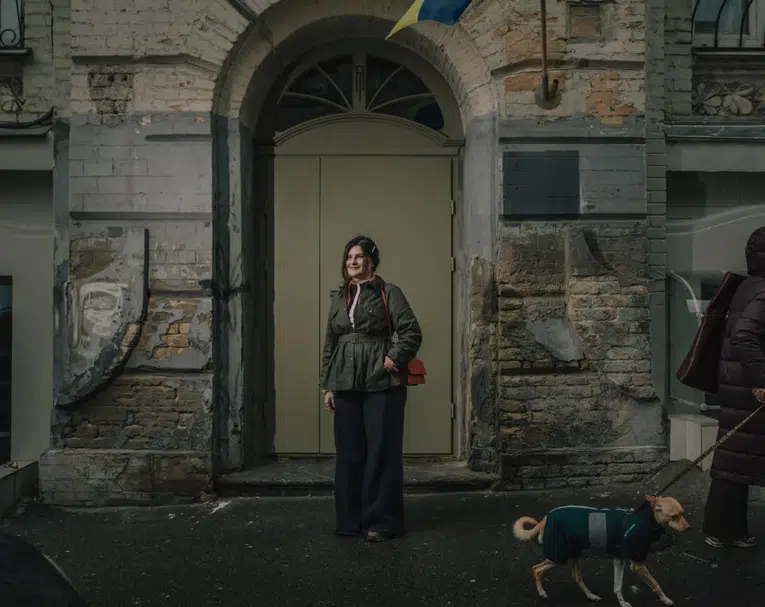
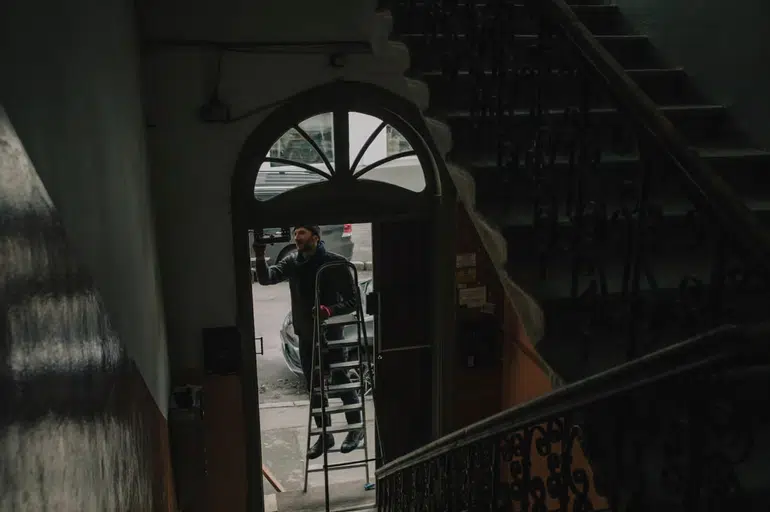
When Lesia Danylenko unveiled her restored front door—its curved transom nicknamed the “croissant”—the project transcended craftsmanship. In an early 20th-century Art Nouveau house in Kyiv, the new entrance became a public statement of commitment to place, celebrated collectively by residents.
Normal Life as a Political Act
For Danylenko, restoration is civic resistance: choosing to remain, repair, and care amid conflict. In a city under frequent aerial attack, attending to domestic thresholds restores agency against destruction.
City Under Fire, Memory Under Threat
Since early 2025, intensified strikes have scarred Kyiv. Emergency boarding follows each blast. Yet activists persist in safeguarding fragile mansions of Ukrainian modernism, a playful idiom rich in vegetal ornament and asymmetry.
Urban Symbols
Built in 1906 in Shevchenkivskyi, Danylenko’s house—designed by Martin Klug—features chestnut leaves and chamomile motifs. Nearby buildings echo the language with turrets, Gothic accents, and whimsical figures, forming a rare urban ensemble.
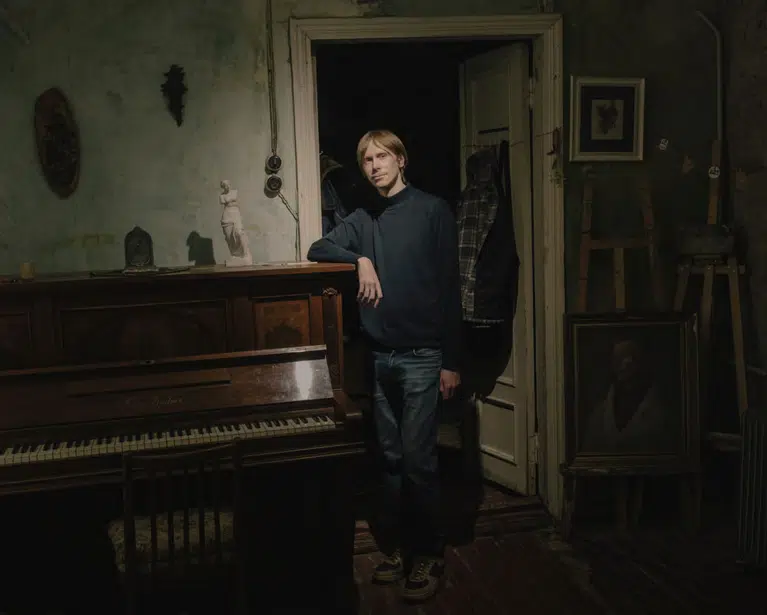
Beyond the War
Preservationists face unscrupulous development, corruption, and political indifference. According to Dmytro Perov of Heritage Kyiv, prolonged war has weakened institutions and displaced civic guardians of heritage.
Demolition by Default
In Podil, historic facades fell despite promises to preserve them, sometimes under the guise of “archaeological research”. Earlier Soviet interventions similarly reshaped the city, layering loss onto loss.
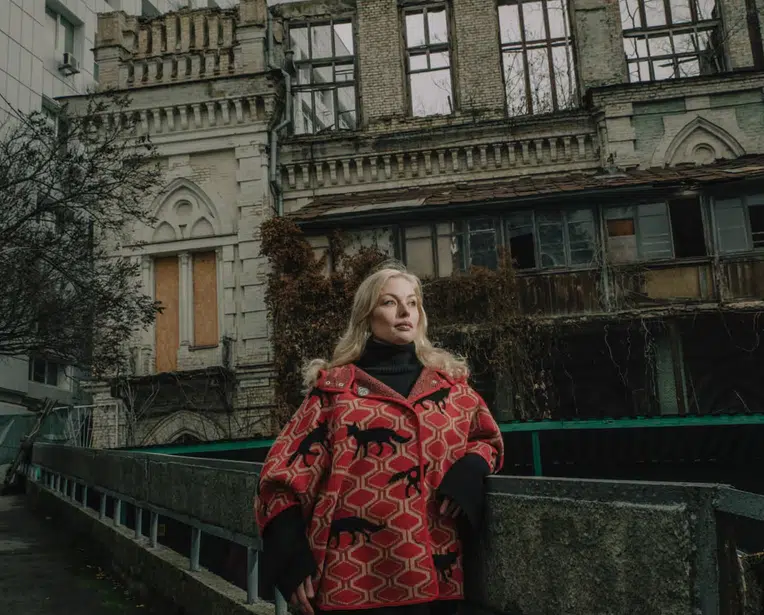
Restoration as Collective Therapy
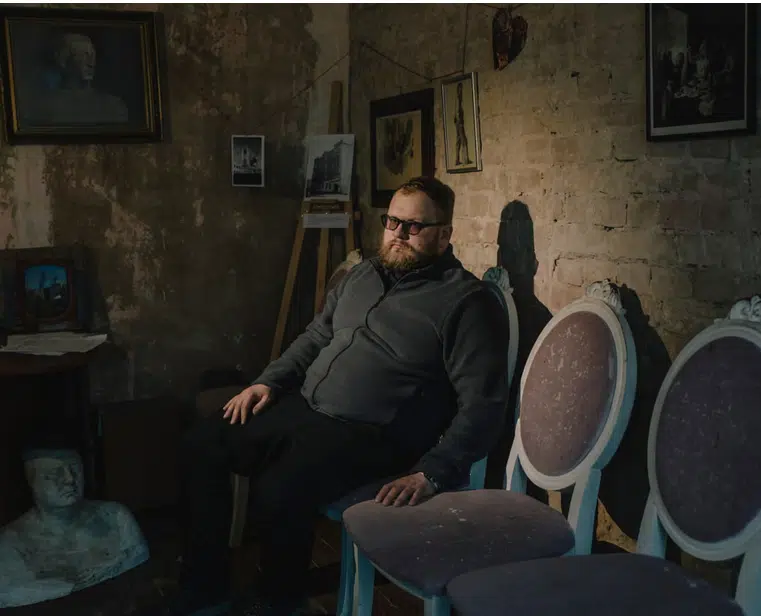
After the death of guide-blogger Serhiy Mironov in 2022, colleagues like Nelli Chudna continue the work. Of 3,500 historic brick mansions, only 80 original doors remain. At True Kyiv’s 1910 headquarters—now restored—the act of repair becomes healing and remembrance.
Architectural Outlook
Kyiv’s case underscores restoration as an ethical and political practice. Safeguarding details safeguards urban identity. Delay risks irreversible loss; care, even under fire, sustains the city’s future.
✦ ArchUp Editorial Insight
The restoration of a front door in an early 20th-century Kyiv residence reframes architectural conservation as a civic act rooted in Ukrainian Art Nouveau, a movement defined by vegetal ornament, asymmetry, and expressive material detail. The project foregrounds Material Expression at the scale of the threshold, situating craft within a broader urban ensemble shaped by layered histories of modernism, war, and neglect. However, this intimate intervention raises questions of Contextual Relevance and durability, as individual acts of care operate within an Urban Fabric strained by conflict, weak institutions, and speculative development. Yet, the persistence of such repairs suggests an alternative model of Functional Resilience, where maintenance and memory counter erasure. Ultimately, the project’s Architectural Ambition lies in asserting that safeguarding detail sustains the city’s future.