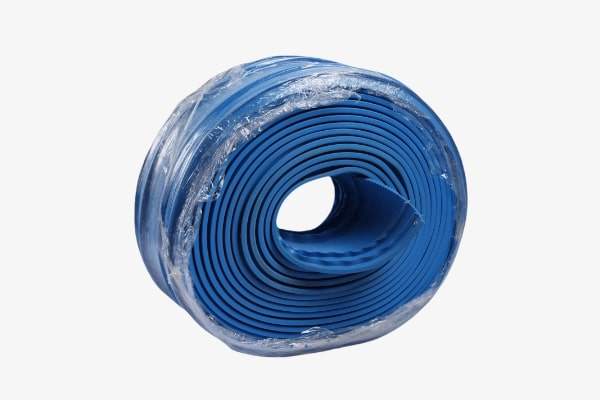
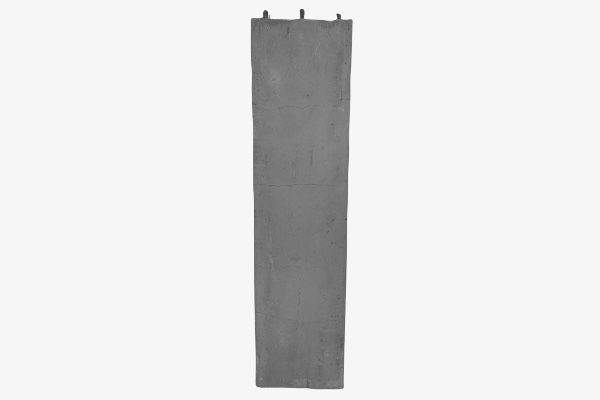
Water Stop is a flexible and durable material used in concrete construction to prevent water leakage through joints. It is commonly installed in foundations, basements, tunnels, and water-retaining structures to ensure waterproofing and structural integrity.
Why You Should Use It?
Prevents Water Leakage: Ensures water-tight concrete joints.
Durable and Flexible: Resists movement and structural shifts.
Chemical and Corrosion Resistance: Ideal for harsh environments.
Long-lasting Performance: Protects structures from water damage.
Types of Water Stop
Type
Description
PVC Water Stop
Flexible and durable, used in most applications.
Rubber Water Stop
Highly elastic, ideal for expansion joints.
Bentonite Water Stop
Expands when in contact with water for superior sealing.
Metal Water Stop
Used in extreme conditions for extra durability.
Uses
Concrete Joints: Installed in expansion and contraction joints.
Waterproofing Structures: Used in basements, tunnels, and reservoirs.
Infrastructure Projects: Essential for dams, canals, and bridges.
Dimensions and Properties
Property
Value
Width Range
150 mm – 320 mm
Thickness Range
5 mm – 12 mm
Tensile Strength
10 – 15 MPa
Elongation
300% – 400%
Material
PVC, rubber, bentonite, or metal
Application Steps
Surface Preparation: Clean and remove debris from joints.
Placement: Position the Water Stop in the joint before pouring concrete.
Concrete Pouring: Ensure full encapsulation within the concrete.
Curing and Inspection: Check for proper installation and sealing.
Case Studies
High-Rise Basement Waterproofing: Used in deep foundations to prevent leakage.
Bridge Expansion Joints: Ensures flexibility and waterproofing in dynamic structures.
Installation and Maintenance
Installation: Ensure correct placement and sealing before concrete pouring.
Maintenance: Periodic checks prevent leakage and extend service life.
Jenna AL-Saggat is an architectural journalist specializing in architecture news, contributing reporting and commentary on architecture and design to ArchUp.