
Liquid Green Bond

Home » Building Materials » Material Datasheets » Liquid Green Bond

Overview

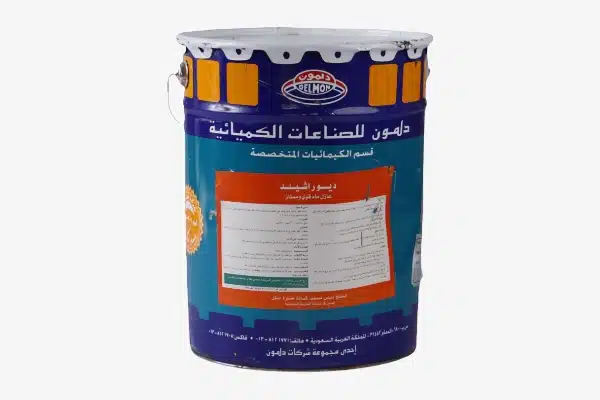
Liquid Green Bond is a high-performance construction adhesive designed to enhance the bonding of cement-based materials. It is widely used in plastering, tiling, and concrete repair applications, providing superior adhesion, increased durability, and improved resistance to moisture and cracking.


Why Use Liquid Green Bond?

  • Superior Adhesion – Ensures strong bonding between old and new concrete or mortar.
  • Crack Prevention – Reduces shrinkage and minimizes surface cracks.
  • Water Resistance – Provides excellent durability in wet and humid environments.
  • Multi-Purpose – Suitable for plastering, tiling, flooring, and repairs.

Common Uses

  • Plastering – Enhances adhesion of plaster to walls and ceilings.
  • Tiling – Prevents tiles from detaching and improves grip.
  • Concrete Repairs – Used for filling cracks and reinforcing weak concrete.
  • Floor Screeds – Strengthens floor finishes for increased durability.

Specifications

PropertyValue
FormLiquid
ColorGreen
ApplicationMixed with cement or mortar
Drying Time24 hours
Water ResistanceHigh

Application Steps

  1. Surface Preparation – Ensure the surface is clean and dry.
  2. Mixing – Dilute the bond with water according to the manufacturer’s instructions.
  3. Application – Apply using a brush or roller before plastering or tiling.
  4. Curing – Allow the bond to dry completely before proceeding.

Case Studies

  • Commercial Buildings – Used for improved wall and floor finishes.
  • Bathroom Renovations – Prevents water damage beneath tiles.
  • Industrial Warehouses – Enhances durability of cement surfaces.

Maintenance

  • Proper Storage – Keep in a sealed container away from direct sunlight.
  • Check Expiry Date – Use before expiration for maximum efficiency.
  • Clean Tools – Wash brushes and rollers immediately after use.
Further Reading from ArchUp

  • Bathroom Waterproofing Membrane

    Overview Bathroom waterproofing membranes are essential materials applied to wet areas like bathrooms, toilets, and shower zones to prevent water leakage, mold growth, and structural damage. These membranes create a seamless, flexible barrier that blocks water from seeping into walls…

  • Liquid Blue Bond

    Overview Liquid Blue Bond is a construction adhesive used to enhance the adhesion of cement-based materials. It is commonly applied in plastering, tiling, and concrete repairs, providing superior bonding strength and reducing the risk of cracks and detachment. Why Use…

  • Spider Tile

    General Description Spider Tile is a unique and highly durable flooring solution characterized by intricate patterns resembling spider webs. Made from high-quality materials, Spider Tile is known for its striking visual appeal and robust performance. Its distinctive design features create…

  • Plaster Mesh (Steel)

    Overview Plaster mesh (steel) is an essential component used in construction for reinforcement in plastering applications. This material is designed to strengthen the plaster layer by preventing cracking and providing additional support. Made from galvanized steel, it is durable, rust-resistant,…

  • Riyadh Ordinary Portland Cement

    Overview Riyadh Ordinary Portland Cement (OPC) is a high-quality cement used in general construction projects. It is widely utilized due to its strength, durability, and versatility. This cement is ideal for foundations, concrete structures, masonry work, and other construction applications….

  • Binding Wire

    Overview Binding wire is a versatile construction material used primarily for tying rebars (reinforcing steel bars) in reinforced concrete structures. It ensures the stability and placement of steel reinforcements during the pouring of concrete. Why Use Binding Wire? Common Uses…

Leave a Reply

Your email address will not be published. Required fields are marked *