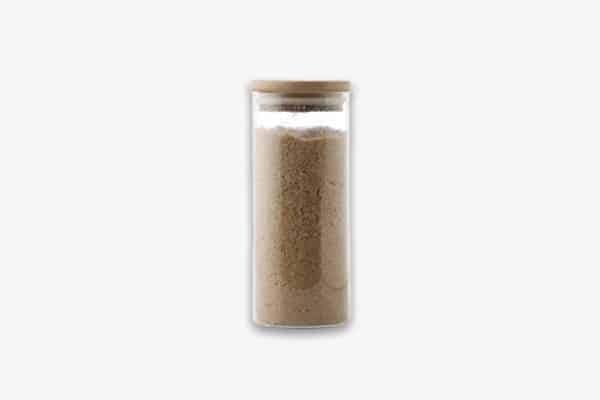
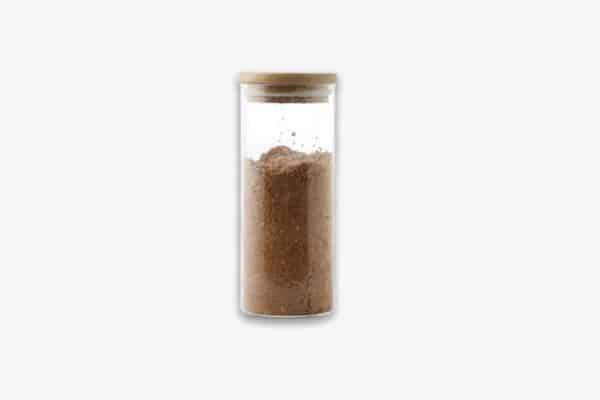
Plastering sand is a fine-grain sand specifically used for plastering walls and ceilings. It provides a smooth and durable finish, ensuring strong adhesion with cement and other binding materials. Sourced from riverbeds or crushed aggregates, this sand is free from impurities, making it ideal for construction and finishing applications.
Why You Should Use It:
Smooth Finish: Ensures an even and refined plaster surface.
High Workability: Easily mixes with cement for effortless application.
Strong Adhesion: Enhances bonding with walls and ceilings.
Minimal Shrinkage: Reduces the chances of cracks in plastered surfaces.
Durable: Increases longevity and weather resistance of plastered walls.
Key Features:
Property
Description
Grain Size
Fine, 0–2 mm
Moisture Content
2–6%
Clay & Silt Content
Less than 3%
Density
1400–1600 kg/m³
Color
Light beige, yellowish, or white
Water Absorption
Low, to prevent excessive shrinkage
Uses:
Wall Plastering: Ensures smooth and strong walls.
Ceiling Plastering: Provides an even surface for paint or wallpaper.
Tile Bedding: Used as a base layer for laying tiles.
Masonry Works: Improves bonding in brick and block construction.
Interior & Exterior Finishing: Enhances the durability and aesthetics of surfaces.
Density & Composition:
Factor
Value
Standard Density
1400–1600 kg/m³
Silica Content
80–95%
Clay & Silt
Less than 3%
Case Studies:
Residential Buildings: Used in luxury apartments for smooth interior walls.
Commercial Projects: Applied in high-rise buildings for strong external plastering.
Restoration Works: Used in heritage sites to match traditional plaster finishes.
Installation Recommendations:
Use Clean Water: Avoid contaminants to maintain the sand’s quality.
Proper Mixing Ratio: Follow a 1:4 or 1:6 ratio with cement for the best results.
Moist Curing: Keep the plaster moist for 7 days to prevent cracking.
Jenna AL-Saggat is an architectural journalist specializing in architecture news, contributing reporting and commentary on architecture and design to ArchUp.