Liquid Red Bond

Overview
Liquid Red Bond is a specialized adhesive used in construction to improve the bonding strength between cement, plaster, and various other surfaces. It enhances the overall durability of applications, making it an essential material for cementing, plastering, and concrete repairs. This product is widely utilized in construction, especially for tiling, plastering, and wall preparation, ensuring optimal results in bonding.
Why Use Liquid Red Bond?
- Strong Adhesion – Promotes a powerful bond between old and new surfaces.
- Crack Prevention – Reduces shrinkage and prevents cracks in plaster or concrete.
- Waterproofing – Enhances water resistance in treated surfaces.
- Versatile Application – Can be used in various tasks such as plastering, tiling, and concrete repairs.
Common Uses
- Tiling – Increases the adhesion between tiles and the substrate, ensuring long-lasting performance.
- Plastering – Improves plaster’s grip on surfaces, providing a smooth and strong finish.
- Concrete Repairs – Enhances the bond of new materials to existing concrete, filling in cracks and holes.
- Floor Screeds – Aids in creating durable and stable floor surfaces.
Specifications
| Property | Value |
|---|---|
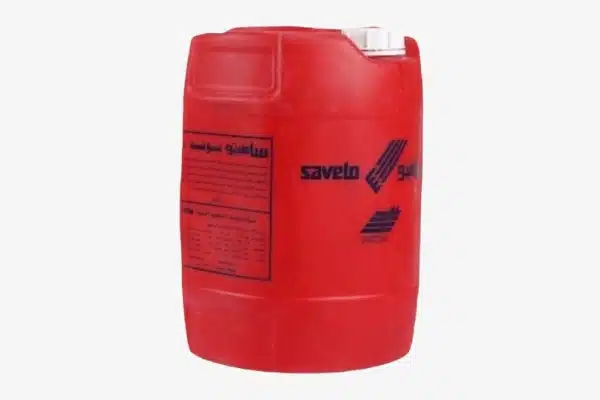
| Form | Liquid |
| Color | Red |
| Application | Mixed with cement or mortar |
| Drying Time | 24 hours |
| Weight | 2.5 kg |
| Coverage | 1-2 m² per liter |
Case Studies
- Residential Tiling – Liquid Red Bond was applied in a residential building for wall tiling. The bond enhanced the adhesion between the tiles and the surface, ensuring durability and reducing the likelihood of tiles loosening over time.
- Concrete Repair – In a commercial project, Liquid Red Bond was used to repair cracks in a concrete floor. The result was a seamless finish with enhanced strength and stability.
Installation Tips
- Mix Liquid Red Bond with cement in a 1:1 ratio for optimal bonding strength.
- Ensure the surfaces to be bonded are clean and free of debris.
- Allow the surface to dry fully before applying additional layers or finishes.