Macau Hotel Removes Gold Floor in Major Redesign


A landmark Macau hotel has removed its iconic gold floor. The move capitalizes on record-high gold prices. Moreover, it signals a major shift in the hotel’s design aesthetic. This significant update reflects a broader trend in luxury architecture. The decision was announced in an official filing, generating global news.
A Golden Era Concludes
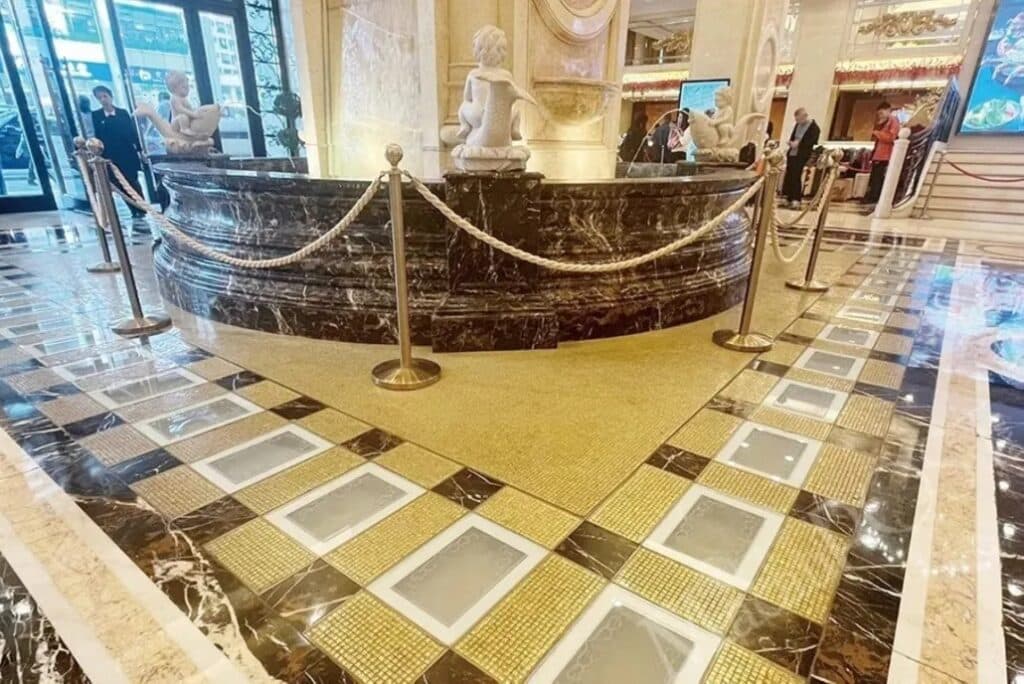
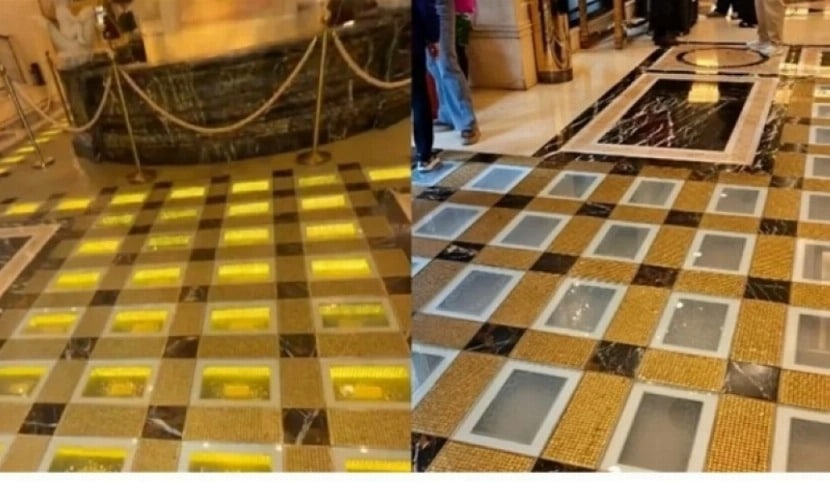
For years, the hotel’s lobby featured a “Golden Corridor.” This walkway was paved with pure Swiss gold ingots. Each of the 79 kilograms of gold was 99.9% pure. Consequently, the feature created an unparalleled sense of luxury. The opulent interior design made the hotel a famous destination. These unique building materials defined its public image.
Cashing In on Market Highs
The hotel sold the gold for approximately $12.8 million USD. This sale was driven by gold prices surging near $5,600 per ounce. Geopolitical tensions have pushed the precious metal’s value to new records. Therefore, the removal was a strategic financial decision. This story has spread quickly through global news, highlighting the intersection of finance and design. The sale of such unique structures is rare.
A Shift to Futuristic Design
This change is part of a larger renovation project. The hotel is moving toward a new “futuristic” theme. The old-world opulence of the gold floor no longer fits this vision. The complete overhaul includes closing a themed casino space. Additionally, the construction points to a new chapter for the hotel. This renovation impacts one of the most well-known cities for hospitality. The new architectural design will be watched closely.
The removal of the golden corridor marks a definitive end to a lavish era. It also raises questions about the future of luxury in architectural expression. As design trends evolve, this move may inspire other hotels to reconsider their own legacy features. Examining past projects provides context for such dramatic changes.
What does this pivot from classic luxury to futuristic minimalism suggest about the future of hotel design?
A Quick Architectural Snapshot
The lobby featured a “Golden Corridor” in a prominent Macau location. Dozens of one-kilogram, 99.9% pure Swiss gold ingots were embedded under protective glass. This opulent feature created a unique and guarded entrance, defining the building’s luxurious aesthetic for years before its removal in early 2026.
✦ ArchUp Editorial Insight
The convergence of peak commodity prices with a scheduled renovation cycle creates a powerful incentive for asset monetization. When a brand’s strategic pivot toward a “futuristic” identity no longer aligns with a physical feature symbolizing past opulence, that feature’s value is recalculated based on market liquidity rather than symbolic capital.
The operational window provided by a planned refurbishment minimizes the financial friction of removal. Therefore, the decision to extract a core architectural element is not an aesthetic choice. It is the logical outcome when a real estate asset’s material components become more valuable as a liquid commodity than as a fixed part of the brand’s narrative. The building’s floor becomes a financial instrument.