Manresa Wilds Masterplan Unveils 125-Acre Public Waterfront Park in Connecticut

Brownfield Transformation Creates New Urban Ecology Campus
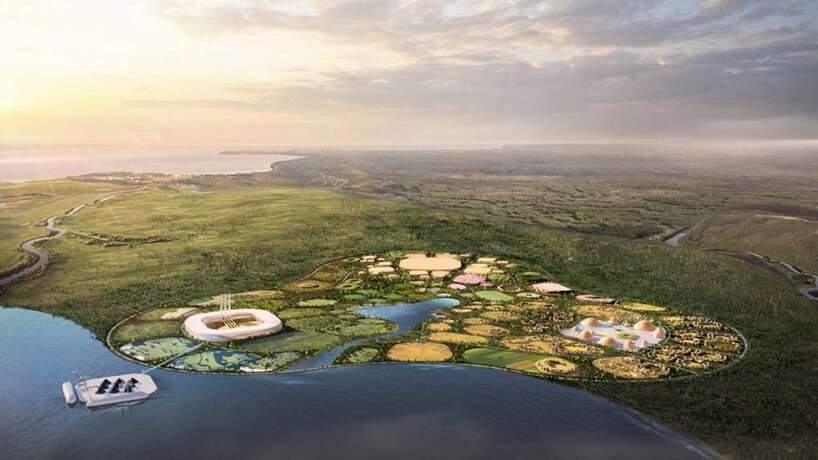
A comprehensive masterplan for Manresa Island in Norwalk, Connecticut, was revealed last week. The 125-acre development will transform a former industrial site into Manresa Wilds, a public waterfront park.
The nonprofit Manresa Island Corporation released final renderings showing the ambitious coastal restoration project. The site spans nearly two miles of Long Island Sound shoreline. Previously, a shuttered coal-fired power plant occupied the brownfield location.
Community-Driven Design Prioritizes Ecology
The Manresa Wilds masterplan emphasizes ecological restoration over intensive development. Designers gathered input through public meetings, surveys, site tours, and conversations with local stakeholders. Consequently, the updated design features 30 percent more natural habitat protection than originally proposed.

Moreover, hardscape and active features were reduced by half. Lighting and water installations were minimized to protect wildlife and neighboring residents. The Western Marsh will remain largely undisturbed to preserve existing ecology.
Active amenities now occupy the southern portion of the site. Multiple arrival nodes include bus drop-off areas, pier access, and parking facilities. A large community lawn anchors the park’s central zone.
Historic Power Plant Receives New Purpose
The 1960s-era power plant will undergo adaptive reuse as a multi-use public building. The 20,000-square-foot Administration Building will house a cafe and restaurant. Meanwhile, the Boiler Building will become an Ocean Lab, leveraging the site’s proximity to Long Island Sound for research purposes.
The Turbine Hall will serve various community functions. However, specific programming details remain under development.

Phased Implementation Extends Through 2035
The project unfolds across three primary phases. Spring 2027 marks the opening of the 28-acre Northern Forest. This section includes renewed woodlands, grasslands, nature trails, and outdoor classrooms for the Urban Ecology Campus.
Phase two runs from 2031 to 2032. During this period, the nature play area, community pool, and pavilion will be completed. Additionally, the Administration Building and Turbine Hall renovations will finish.
The final phase spans 2032 to 2035. This stage delivers the beachfront promenade, kayak terrace, additional play areas, and a pier with field station. The Boiler Building preservation awaits a future development stage beyond the current masterplan timeline.
The design prioritizes accessible public waterfront while strengthening Long Island Sound ecology. Nature restoration and community programming drive the entire project vision.

Will this comprehensive approach to brownfield remediation set new standards for urban planning along sensitive coastal environments?
A Quick Architectural Snapshot
The Manresa Wilds masterplan covers 125 acres with nearly two miles of coastline along Long Island Sound in Norwalk, Connecticut. The Northern Forest phase encompasses 28 acres. The Administration Building spans 20,000 square feet. Development progresses through three phases from 2027 to 2035, converting industrial brownfield into public green space.
✦ ArchUp Editorial Insight
A 125-acre coastal brownfield does not become a public park through design alone. It becomes one when a private acquisition removes the land from speculative real estate cycles. That single financial decision predetermined every spatial outcome that followed.
The phased timeline stretching to 2035 reflects a pattern seen in publicly funded ecological projects: extended delivery schedules reduce annual capital exposure while maintaining institutional momentum. Reducing hardscape by fifty percent and increasing habitat zones by thirty percent are not aesthetic choices. They are risk-mitigation responses to tightening coastal regulations and insurance logic governing flood-prone waterfront land.
The adaptive reuse of a 1960s power plant into community programming follows a well-documented institutional pattern. Preserving industrial shells lowers demolition costs, satisfies heritage compliance frameworks, and generates cultural capital simultaneously.
This project is the logical outcome of private land rescue, coastal regulatory pressure, and brownfield liability conversion into public amenity.