Milan Towers Reshape the Architectural Debate After Being Classified as Interior Renovations

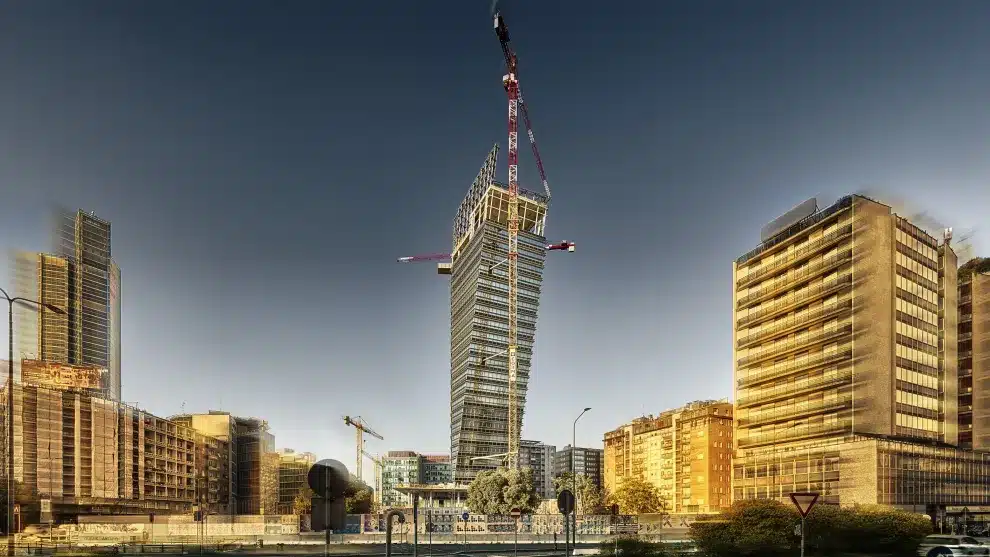
A series of residential and commercial tower projects in Milan has raised questions across the architectural community after large portions were classified as interior renovations rather than new construction. The design and engineering consequences of that choice have pushed architects and engineers to reassess design solutions and safety criteria.
What changed in the architectural classification?
Labeling the works as interior renovations allowed vertical and horizontal expansions to proceed without the full permitting and inspections required for new-build projects. That change affects more than appearance. It alters structural calculations, load analysis, and foundation design.
Reclassification means several elements may not have undergone the scrutiny or design standards expected for high-rise buildings: structural loads, load paths, connection details, and systems for resisting seismic and wind forces.

Impact on architectural solutions
Façade and massing
Designers adapted the façade treatments to fit the “renovation” framing. They integrated additions in ways that may clash with the original massing. These choices disrupt street-level coherence and alter how people perceive height within the urban scale.

Internal systems
Engineers can add or modify HVAC, lifts, and electrical and plumbing networks without carrying out full operational re-engineering. This approach creates duplicated circuits and leads to future maintenance complications.
Public spaces and circulation
Partial reuse and piecemeal alteration can reduce shared spaces or relocate stairs and corridors. That creates challenges for movement safety and the spatial experience of occupants.

Potential technical problems
- Foundations: Extra loads on bases not designed for additional height.
- Wind and climatic performance: Changed vertical geometry may alter façade behavior under wind.
- Fire safety: Egress routes and smoke ventilation may not meet standards appropriate for towers.
- Mechanical and electrical services: Congestion in systems and reduced operational efficiency.
- Urban integration: Visual and functional impact on the public realm and urban networks.
What it means for the architectural field
This situation places a technical and ethical responsibility on architects. Designers must recheck load criteria, systems integration, and the user experience of interior spaces. It also highlights the need to refine regulatory distinctions between true renovations and projects that require a full design and structural approach.
✦ ArchUp Editorial Insight
The piece documents the conversion of existing towers through vertical additions presented as interior renovations. Images reveal façades of varied scale and mixed materials—glass, metal and masonry—and compressed interior sequences in lobbies and corridors. Architecturally the façade reads as a superficial unifier while practice exposes gaps in structural integration and services coordination. Does the spatial strategy reconcile system performance with occupant experience? Critique highlights extra loading on foundations, altered wind response and egress concerns. Nevertheless the scheme offers a platform to test flexible material systems and design strategies that improve operational efficiency and sustainability, potentially informing future planning standards.
Explore the Latest Architecture Exhibitions & Conferences
ArchUp offers daily updates on top global architectural exhibitions, design conferences, and professional art and design forums.
Follow key architecture competitions, check official results, and stay informed through the latest architectural news worldwide.
ArchUp is your encyclopedic hub for discovering events and design-driven opportunities across the globe.