

Miraf District An Integrated Architectural Experience in Khobar

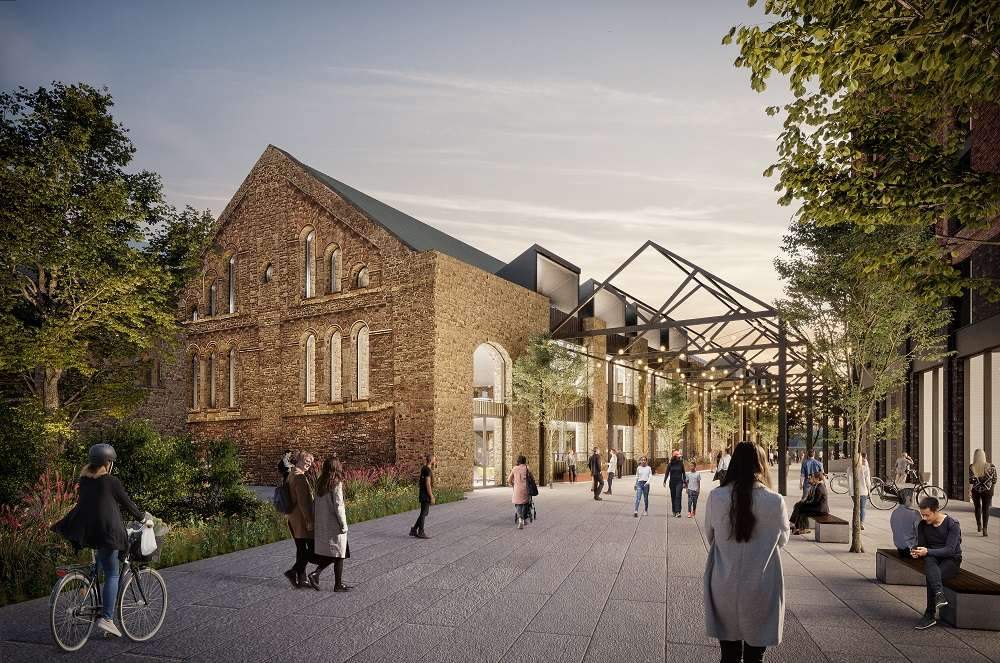
Miraf District in Khobar represents a fully integrated architectural model that redefines contemporary urban living. The project combines residential, commercial, recreational, and hospitality functions within a balanced urban environment, where built volumes harmonize with open spaces and public plazas to create natural circulation and encourage daily interaction. The design emphasizes a contemporary local architectural identity alongside sustainable building practices, incorporating landscaped pathways and flexible public areas. It demonstrates how modern architecture can merge multiple urban functions into a single cohesive fabric without compromising visual and functional balance.

Architectural Identity and Design Vision
The project’s design philosophy aims to create a vibrant urban scene, where built volumes are interspersed with balanced open spaces and plazas. The visual composition guides user movement seamlessly while highlighting the balance between geometric rigor and everyday flexibility. Architecture here functions as a dynamic spatial system, expressing a contemporary design language rooted in local identity without detaching from the spirit of place.

Physical Environment and Materiality
The project uses locally sourced natural materials, such as stone, wood, and metals, to provide visual warmth and tactile depth. Natural lighting and cross-ventilation strategies enhance energy efficiency and user comfort while integrating the built environment harmoniously with its surroundings.

Environmental and Social Integration
Miraf District promotes behavioral sustainability through shaded pedestrian pathways and public spaces that encourage social interaction and a strong connection between buildings and streets. The project offers a balanced urban model that integrates built form and nature while enhancing the quality of life for residents and visitors.
Conceptual Approach in Architectural Composition
The project’s conceptual focus is on creating a balanced lifestyle that merges comfort, productivity, and social interaction. Integrating diverse functions generates a flexible urban experience, allowing residents to live, work, and enjoy leisure in a single space while maintaining a clear architectural identity.

Project Summary
| Element | Details |
|---|---|
| Project Name | Miraf District |
| Location | Khobar – Eastern Province |
| Architectural Type | Integrated urban development (residential, commercial, recreational, hospitality) |
| Design Approach | Combining multiple urban functions within a single fabric for a livable city |
| Primary Materials | Natural stone, wood, local metals |
| Sustainability | Natural lighting, cross-ventilation, landscaping, pedestrian pathways |
| Visual Identity | Balance between local character and contemporary urban design |
| Architectural Purpose | Creating a flexible urban environment that redefines the relationship between people and place |
✦ ArchUp Editorial Insight
Miraf District offers a cohesive architectural visual experience, where built volumes are harmoniously arranged with open plazas and landscaped pathways, creating a smooth visual rhythm that guides user movement and encourages daily interaction. Stone, wood, and natural metal surfaces provide depth and warmth, while public spaces form clear social anchors. Critically, the project successfully integrates diverse functions within a single urban fabric without losing architectural identity, though some areas could be further activated to enhance engagement. Overall, its value lies in presenting a flexible urban model that balances functional performance with visual elegance effectively.
For verified updates on global activities, visit ArchUp’s architecture events section, featuring documented coverage of leading exhibitions and conferences, along with continuously updated architecture competitions and official results.






⚠️ Describing this ordinary design as an ‘integrated architectural experience’ is misleading; it completely lacks novelty and overlooks the rich heritage and distinct elements of Gulf architecture.