

Mycelium: An Eco-Friendly Revolution in Play and Learning

Mushroom Mycelium: An Innovative Alternative to Plastic in Toys
Many modern initiatives are seeking eco-friendly alternatives, and one of the most promising is mycelium, the root-like filamentous part of fungi. Using it in toy production represents a new step toward reducing reliance on traditional plastics while engaging both children and adults in a unique educational experience.
Learning Through Hands-On Experience
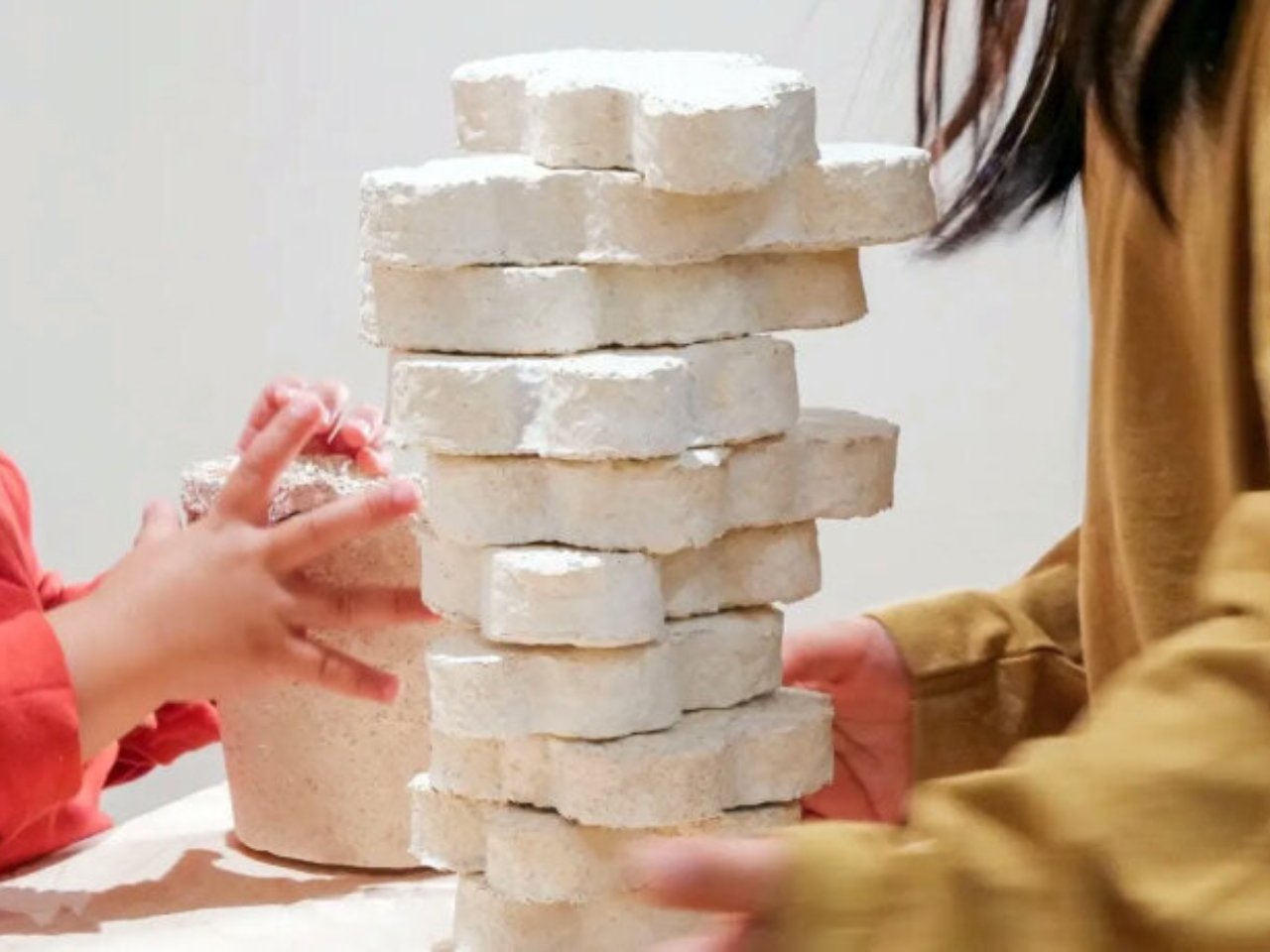
This concept allows children to embark on a practical journey to explore bio-based materials. Instead of simply playing with ready-made toys, the child participates in creating their own blocks. This nurtures scientific curiosity, fosters creative thinking, and encourages environmental awareness.
What Does the Experience Include?
For the project to succeed, participants need a set of essential elements, such as:
- Living mycelium material.
- Special molds for shaping the blocks.
- Supporting ingredients like flour to maintain mycelium growth.
- Sterilization and safety tools such as disinfectant wipes and gloves.
Simple Steps to Form the Blocks
- Mix the mycelium with the supporting ingredients.
- Place the mixture inside the molds.
- Maintain moisture for several days until the mycelium grows and binds together.
- Let the blocks dry until they become firm and lightweight.
Thus, the simple mixture transforms into building blocks that can be used for stacking, construction, and creating innovative toy shapes.

Reuse and Sustainability
One of the standout aspects of the mycelium experience is the ability to reuse the molds multiple times. This feature gives both children and adults repeated opportunities to create new shapes without the need for extra tools, reinforcing the concept of sustainability in everyday practices.
An Eco-Friendly Life Cycle
Another unique advantage of this experience is that all components are natural. When the blocks are no longer needed, they can simply be turned into organic compost that enriches the soil. In this way, the cycle is completed without leaving any harmful impact on the environment.
A Deeper Educational Dimension
The experience goes beyond learning about science and design, it helps children realize that their everyday choices can be kinder to the planet. With each repetition of the process, their environmental awareness is strengthened in a practical and tangible way.


A Different Sensory Experience
Unlike traditional toys, mycelium blocks offer children a fully immersive sensory journey. Opening the molds, inhaling a forest-like natural scent, and watching the blocks form and eventually break apart, all these details add a new dimension to the experience. These elements bring learning closer to the senses, enriching a child’s experience in ways that ordinary industrial toys rarely provide.
Strengthening Family Bonds
The benefits extend beyond individual play to include family collaboration. Making and building the blocks together creates opportunities for family interaction, encouraging teamwork and shared discovery among children and parents alike.
Versatile Educational Uses
This experience can serve as a practical educational tool in schools or creative workshops, and it can also be introduced as a group activity during events. By combining fun and learning, it allows children to witness the tangible transformation of a soft raw material into a solid, usable form.
What Children Learn from the Experience
Through this process, children gain insights into:
- The natural transformations of living materials.
- The value of craftsmanship and personal creativity.
- The importance of making inventions that are both unique and environmentally friendly.


Toward a More Sustainable Future
The mycelium toy experience highlights how innovation can merge with environmental awareness. As the demand for sustainable alternatives to plastic grows, adopting biodegradable natural materials becomes a practical step toward reducing the environmental impact of everyday products.
Fun and Responsible Play
This is not only about providing entertainment, it also reflects the idea of responsible play, where children learn that enjoyment can go hand in hand with respecting the environment. Initiatives like this pave the way for a new generation that is more conscious of its role in protecting the planet.
✦ ArchUp Editorial Insight
At first glance, using mycelium in toy-making may seem like a simple and limited experiment. Yet, it opens the door to broader questions in fields such as architecture and urban design. The ability to shape a natural material that grows on its own and becomes solid within a short period sparks new ideas about the future of sustainable building materials.
On one hand, mycelium can be seen as inspiration for developing alternatives to plastic and concrete, particularly for temporary structures or projects that require materials capable of decomposing after a set period. This supports the idea that architecture can become more flexible and environmentally adaptive.
On the other hand, challenges remain. Mycelium’s properties, durability, lifespan, and resistance to weather, are still limited compared to traditional materials. Integrating it into large-scale architectural projects requires advanced research and experimental models to assess its long-term feasibility.
Balancing potential with limitations, mycelium stands as an example of how a simple idea, like an educational toy for children, can inspire broader and more complex fields such as architecture, pushing us to rethink the future of building materials and our relationship with the environment.
Prepared by the ArchUp Editorial Team
Don’t miss the chance to explore more from Architecture, Archive, and Buildings on the ArchUp website.


