New Brno Municipal Building: Government Building in Brno Historic Center

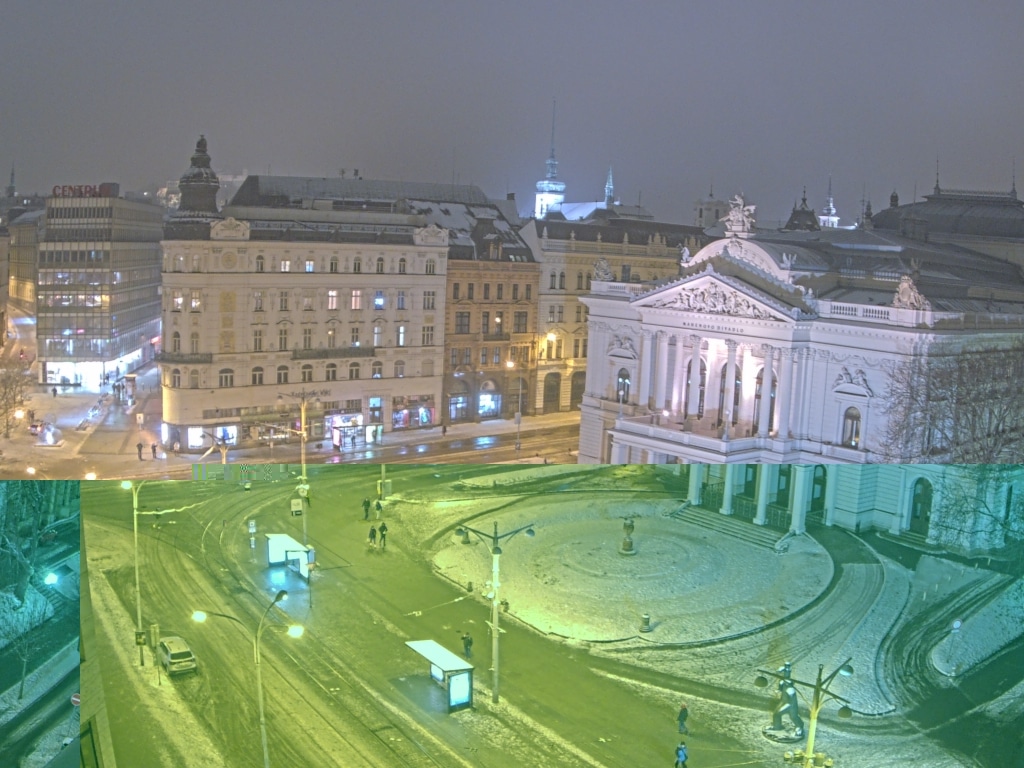
The New Brno Municipal Building rises behind the existing city hall on Malinovského náměstí, inside Brno’s historic urban ring. It reorganizes how public administration engages with the city not as a symbolic gesture but as a functional and urban recalibration aligned with cities planning principles.

Site and Urban Context
Pedestrian flows, transit lines, and civic buildings intersect here. The design responds with precise massing and scale. It completes the urban edge and shapes transitional voids to sustain continuity in the historic fabric a priority in current research on urban renewal.
Architectural Composition and Massing
A prior volumetric study set height limits and proportions. Stepped forms reduce visual weight in the square. The New Brno Municipal Building preserves sightlines and integrates into its surroundings rather than standing apart. This approach addresses a core challenge in governmental architectural design within heritage zones.
Internal Functional Organization
The layout unifies citizen services under one interface and groups departmental offices separately. Public and staff routes stay distinct. A central reception and flexible waiting areas follow proven models in interior design for civic efficiency.
Flexibility and Expandability
The building initially houses 550 employees and can expand to 980. Its plan allows future reconfiguration without major structural changes reflecting long term institutional construction strategies.

Facades and Materials
Designers selected durable, neutral materials like local stone or composite systems. These harmonize visually without copying adjacent buildings. Glazed public zones use solar control glass to balance transparency and thermal performance key concerns in modern building materials discourse.
Digital Integration and Sustainability
The New Brno Municipal Building supports self service kiosks and adaptable digital infrastructure. Daylight optimization, natural ventilation, and smart building systems embed operational sustainability from day one.
Architectural Snapshot
The New Brno Municipal Building redefines the presence of public institutions in historic urban centers through massing and organization, not symbolic form.

✦ ArchUp Editorial Insight
This project is the logical outcome of intersecting daily mobility patterns and administrative workflows that prioritize clarity, throughput, and operational separation. Preceding the form is a dense decision framework shaped by heritage protection codes, layered approval processes, and public-sector risk management tied to long-term funding and accountability. These pressures systematically eliminate unpredictable spatial alternatives and favor expandable, regulation compliant systems. Architecture emerges last as an effect of service consolidation, route segregation, and future-capacity planning embedded from inception. The resulting massing and organization are not symbolic acts but the byproduct of institutional caution, continuity of operations, and a cultural assumption that public authority should integrate into the city without altering existing power or access structures.