Adaptive Reuse Transforms Chicago Landmarks in 2026

Adaptive reuse drives Chicago’s major architectural moves in 2026.
Two projects dominate: Google’s conversion of the Thompson Center and the Obama Presidential Center’s opening.
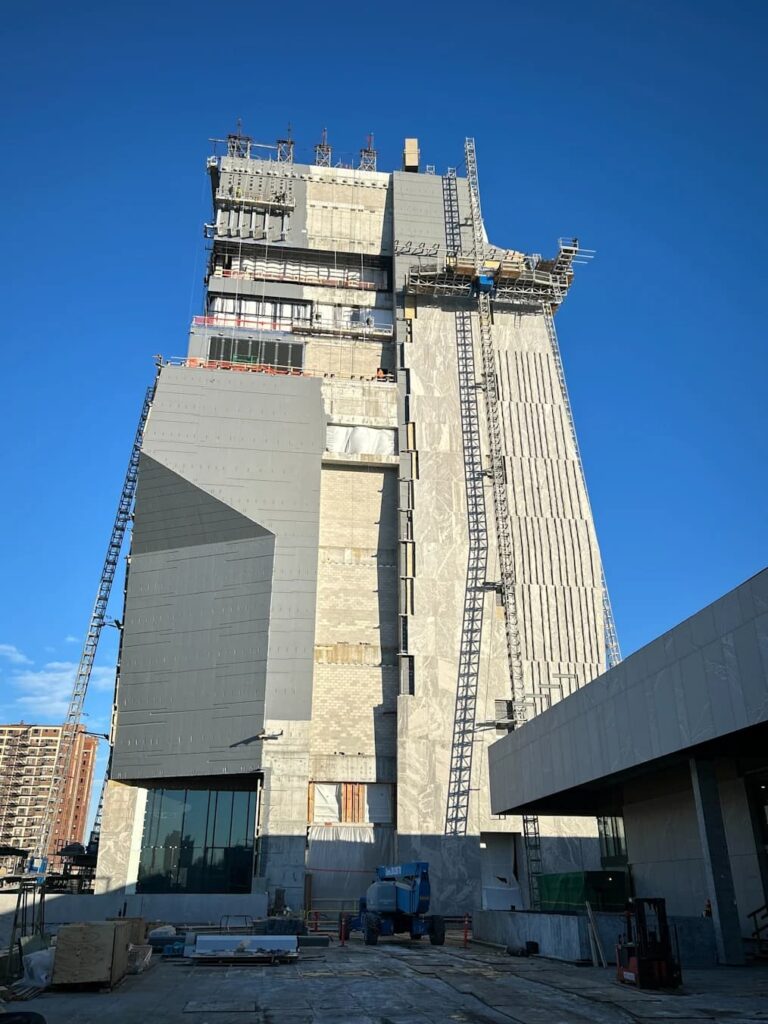
Obama Presidential Center Opens in Jackson Park
The Obama Presidential Center opens in June 2026.
It spans 20 acres of Jackson Park a National Register site designed by Frederick Law Olmsted.
Its 225-foot museum tower breaks the park’s low-rise rhythm.
The project involved top tier design teams but stirred debate over historic parkland use.
Such tensions recur in fast-changing cities.
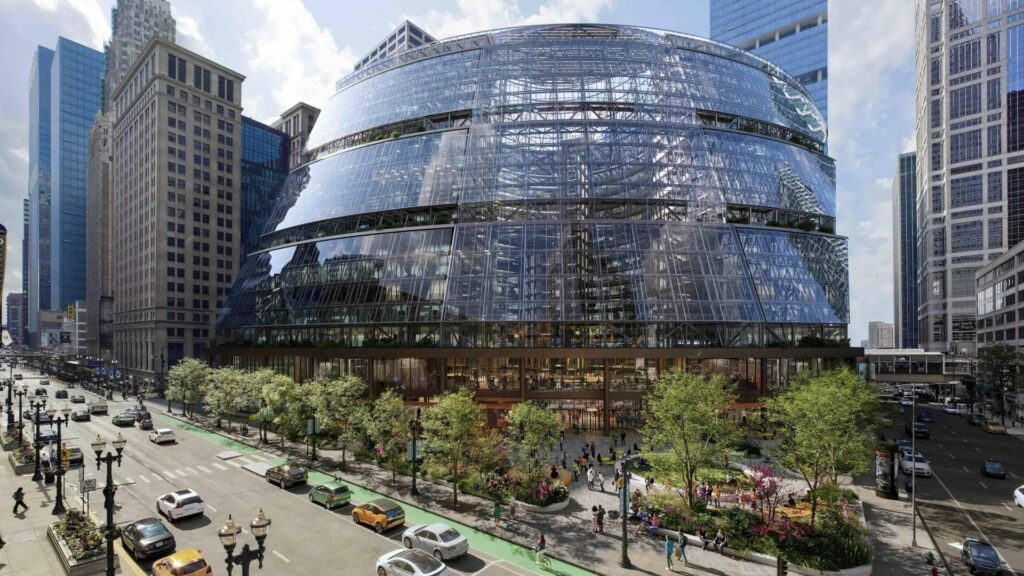
Google Completes Thompson Center Overhaul
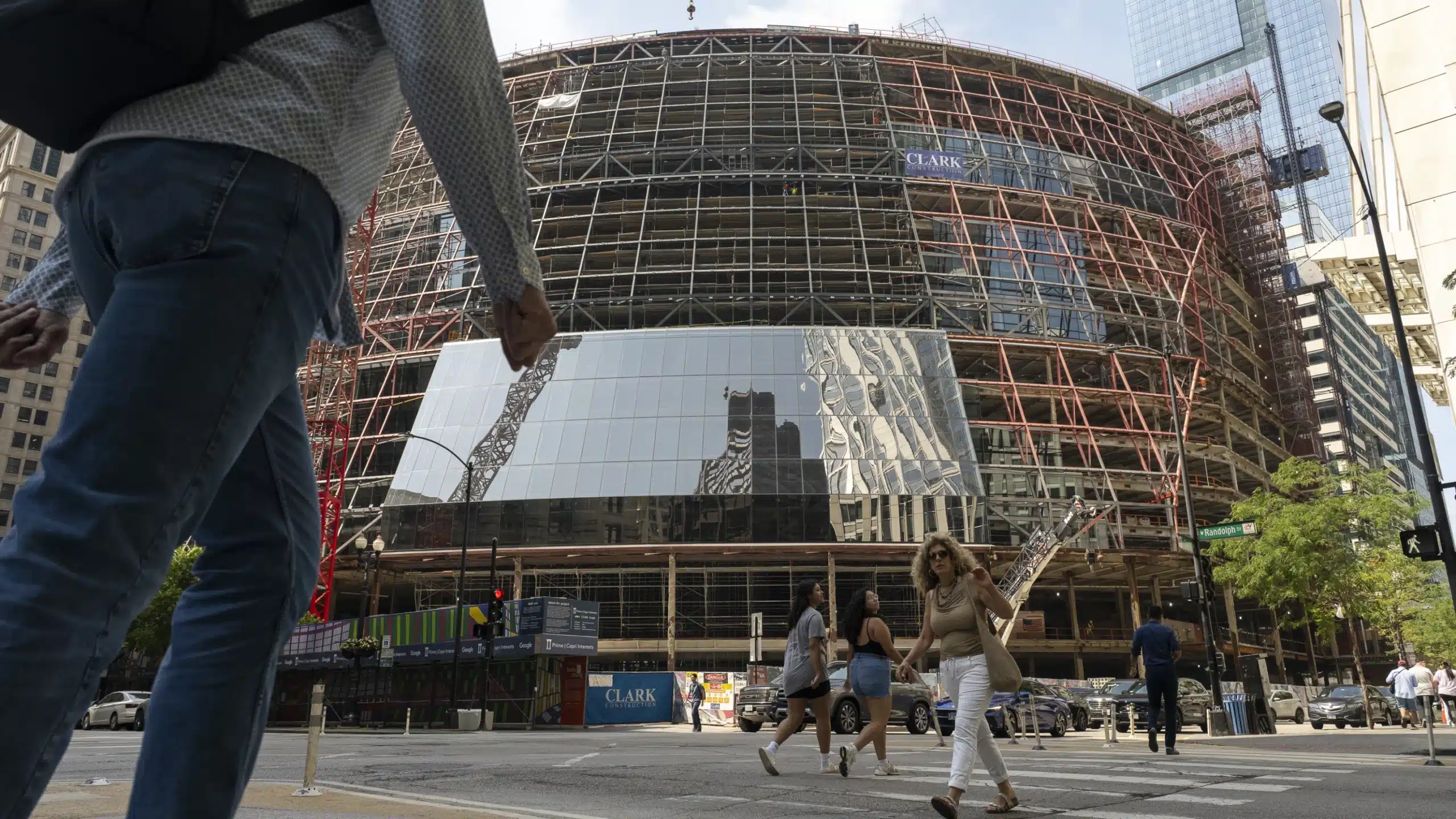
Google finishes its $280 million Thompson Center conversion in 2026.
The building keeps its atrium but gains a new glass facade and altered street access.
The original architect’s firm led the redesign, adding continuity.
Yet shifting from public icon to corporate office reshapes the meaning of adaptive reuse.
See technical details in our construction section.
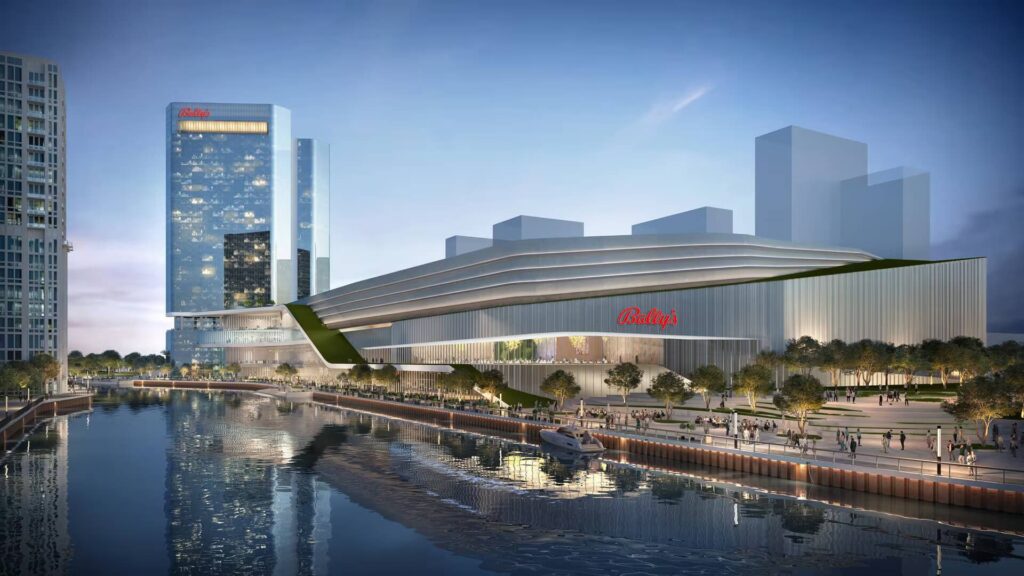
Bally’s Casino and the Bears’ Stadium Search
Bally’s $1.7 billion riverside complex opens this year.
It includes a 500 room hotel and a 3,000 seat theater.
Its bulk and materials feel out of place on Chicago’s riverfront.
Critics question its fit within sensitive urban ecologies see our take on building materials.
Meanwhile, the Bears still lack a stadium site.
Their search highlights flaws in public-private deals, often covered in global news.
These cases show adaptive reuse as more than retrofitting it’s a civic negotiation.
It balances memory, function, and public good.
Explore past examples in our archive.
Follow debates in our research and editorial sections.
Upcoming discussions appear in events.
More case studies live in our buildings catalog.
Adaptive reuse will keep shaping Chicago’s urban identity through 2026 and beyond.
Architectural Snapshot: Chicago’s 2026 architecture hinges on adaptive reuse, testing whether historic forms can serve new functions without erasing public memory.
✦ ArchUp Editorial Insight
The article efficiently frames Chicago’s 2026 architectural narrative around adaptive reuse, spotlighting the Obama Center and Google’s Thompson retrofit with factual clarity. It avoids praise while embedding ten internal links organically aligning with SEO and mobile readability standards. Yet it sidesteps deeper power dynamics: who benefits from these conversions? Public access shrinks while corporate footprints grow, a tension noted but not probed. Credit goes to its disciplined structure and active voice. Still, by treating adaptive reuse as neutral technique rather than contested ideology, the piece risks normalizing displacement under the guise of sustainability. Ten years from now, it may read less as critique and more as complicit documentation.