New Museum Expansion in New York Opens March 21 with Doubled Gallery Space

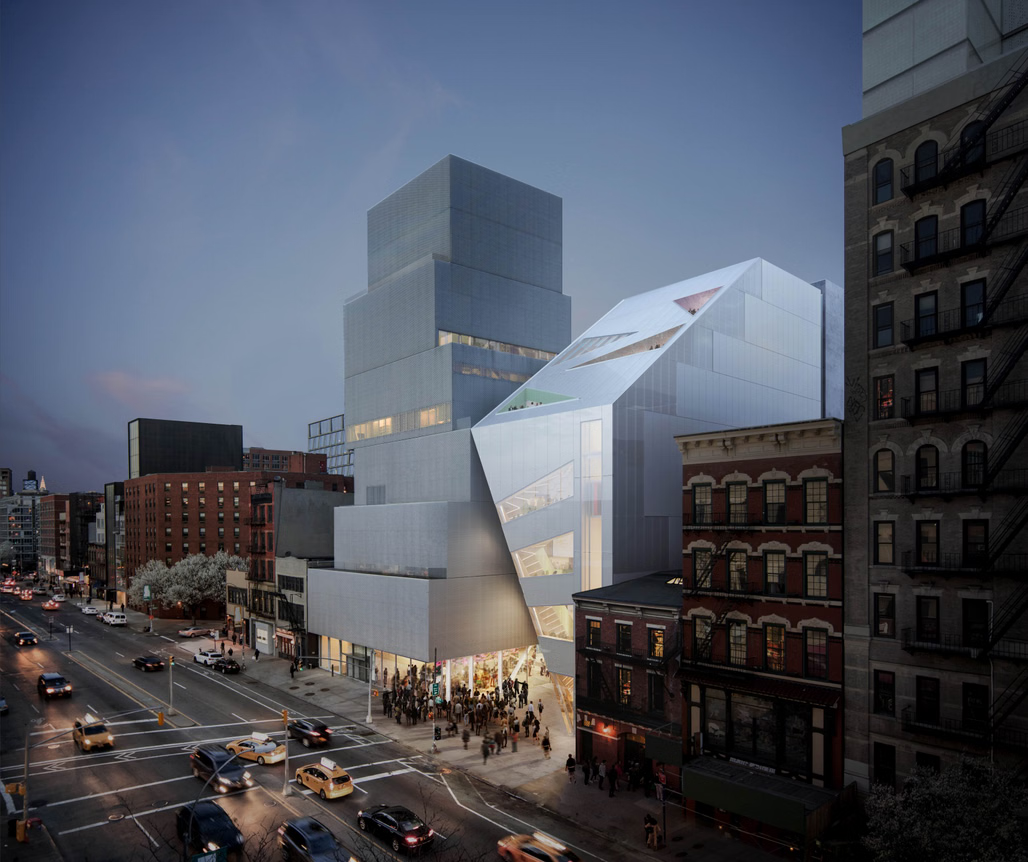
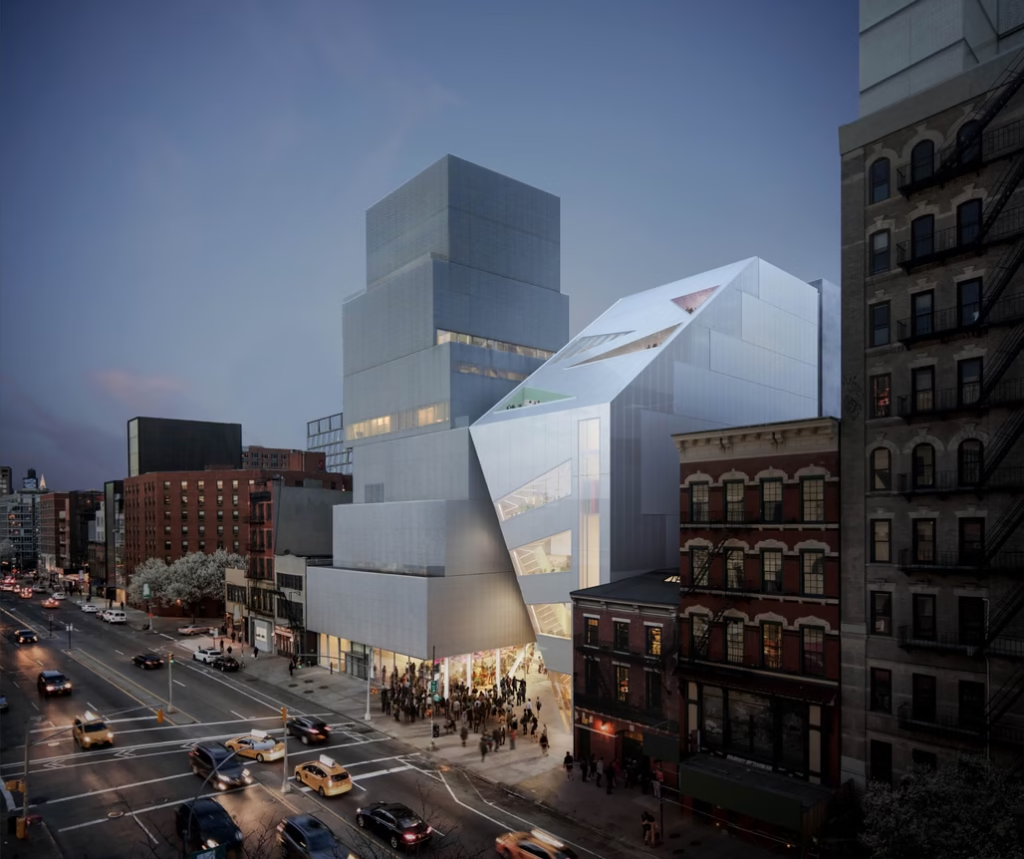
The New Museum expansion in New York will open to the public on March 21, marking a significant milestone for contemporary art and architecture enthusiasts. The 60,000-square-foot addition stands alongside the existing building on the Bowery, effectively doubling the museum’s exhibition capacity.
Expansion Details and Enhanced Circulation
The New Museum expansion introduces substantial improvements to visitor flow and accessibility. Three new elevators enhance vertical movement throughout the structure. An atrium stair connects multiple levels. Additionally, a redesigned public entrance plaza welcomes visitors at street level.
The project transforms how people experience contemporary art in urban planning contexts. Moreover, the expansion addresses long-standing spatial constraints that limited programming options.
New Public Amenities and Creative Spaces
Upper floors now feature dedicated facilities for artistic production and innovation. A studio for artists-in-residence occupies one level. Meanwhile, a permanent space for the museum’s cultural incubator provides resources for digital creators and entrepreneurs.
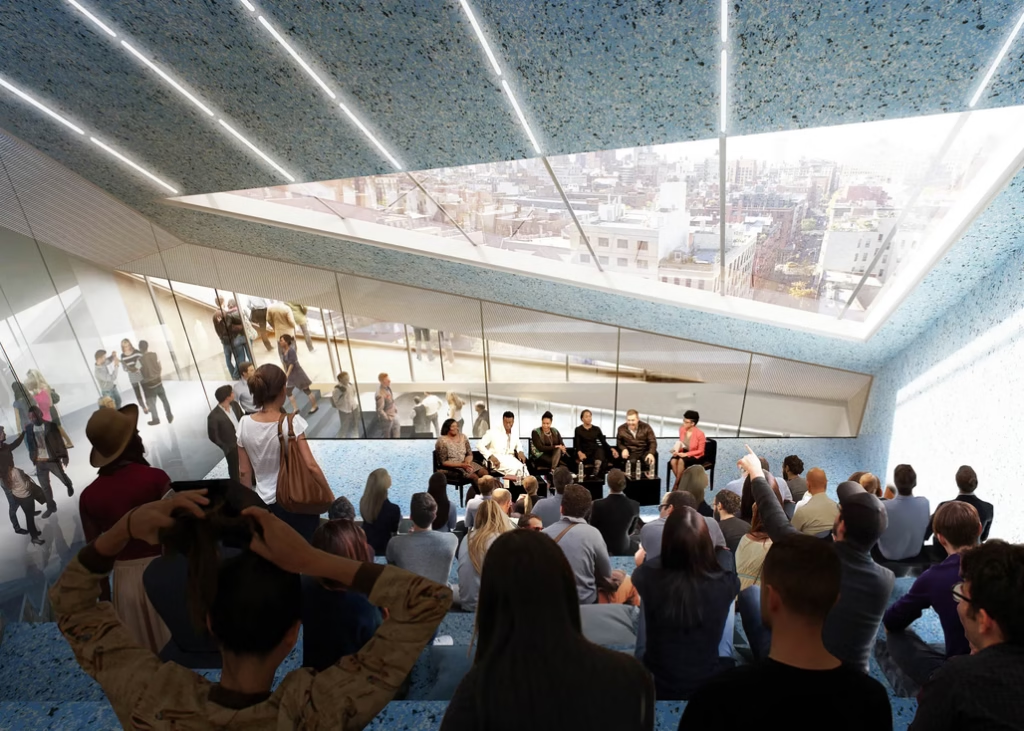
The seventh-floor Sky Room has been significantly expanded, offering panoramic views of the city. Furthermore, a 74-seat Forum provides a venue for talks, panel discussions, and events that engage the broader creative community.
Ground-Level Improvements
The street-level transformation enhances visitor services substantially. An enlarged lobby accommodates higher attendance volumes. The bookstore has expanded to offer more publications and design objects. Additionally, a full-service restaurant operated by hospitality specialists will serve visitors and neighborhood residents alike.
These interior design improvements reflect contemporary approaches to museum planning. The ground floor now functions as both entrance sequence and community gathering space.
Architectural Integration
The architectural design responds to the existing structure while establishing its own identity. The addition maintains visual dialogue with its neighbor through careful material selection and proportional relationships. However, it avoids direct mimicry.
The construction process required complex coordination with ongoing museum operations. Consequently, phased opening strategies allowed portions to remain accessible throughout development.
This news represents a major expansion of cultural infrastructure in Lower Manhattan. The neighborhood continues evolving as a destination for contemporary culture and innovative architecture.
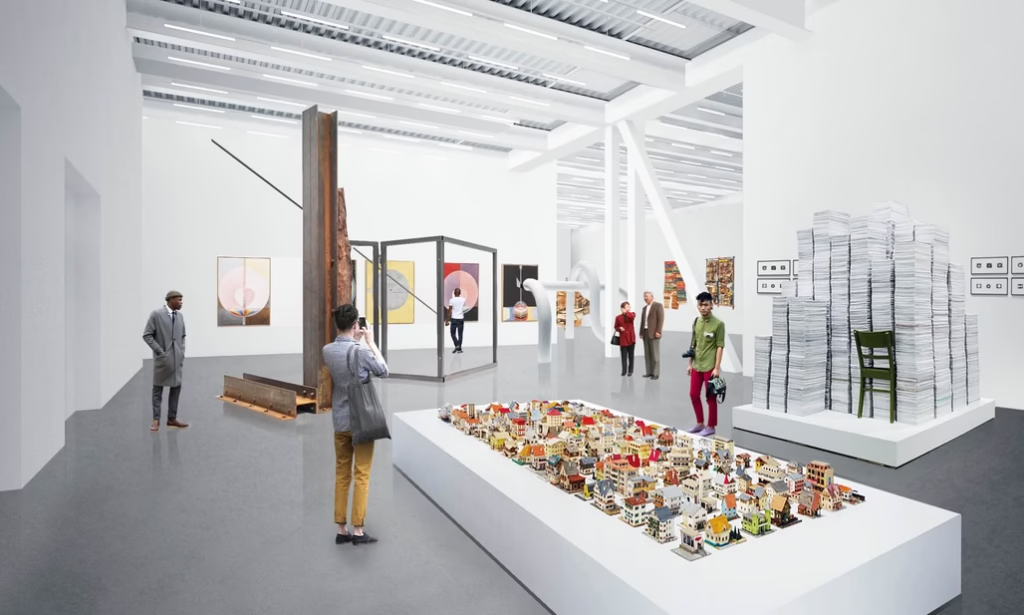
Will this expansion set new standards for how museums grow within constrained urban sites? The March opening will reveal how successfully the design balances institutional needs with public accessibility.
A Quick Architectural Snapshot
The 60,000-square-foot expansion doubles existing gallery space through vertical addition. Building materials include glass, concrete, and steel structural systems. Located on the Bowery in Manhattan, the project includes three elevators, an internal stair, and a ground-level plaza. New amenities span seven floors, from restaurant to sky room, supporting exhibitions and creative production programs.
ArchUp Editorial Insight
The expansion of a contemporary art museum in Lower Manhattan reveals a recurring pattern across American cultural institutions. The institutional pressure to double gallery space stems from a funding model that ties financial support to attendance figures. The inclusion of a full-service restaurant and expanded retail reflects growing dependence on operational revenue to cover maintenance costs.
The decision to maintain visual dialogue with the adjacent building indicates the constraints imposed by architectural review boards in historic districts. Vertical addition rather than horizontal expansion reflects land scarcity and elevated cost per square foot in this neighborhood.
The repetition of a cultural incubator model within art museums signals a shift in how cultural institutions define themselves. They are moving from exhibition spaces to production platforms. This transformation responds to generational expectations that measure value through participation rather than passive viewing.