NSW routes 15 housing projects into state-significant assessment

New South Wales has moved 15 housing proposals into the State Significant Development assessment pathway following recommendations from the Housing Delivery Authority. Thirteen are in metropolitan Sydney and two are in regional areas.
The official statement says the proposals could produce more than 2,700 homes, including affordable housing, if they are lodged and subsequently approved. The declaration is therefore a procedural decision, not a planning approval and not evidence that the homes are under construction.
What changes for project teams
State-significant status shifts the assessment pathway to the state level and changes how the projects must coordinate planning evidence, infrastructure capacity and agency requirements. For architects, planners and engineering teams, the immediate consequence is a different approval route and a stronger need to assemble coordinated information early; the declaration does not settle design quality, dwelling mix or delivery dates.
The distinction is important because pipeline numbers can easily be mistaken for completed supply. The government reports 520 Housing Delivery Authority proposals with potential for more than 160,000 homes. Within that larger pool, 33 proposals have been approved for more than 7,700 homes, and construction has commenced on 11 sites.
A pipeline with deadlines, not a guarantee
A further 104 State Significant Development applications have been lodged, representing around 40,500 potential homes. At the same time, 32 declarations have been revoked because timelines were not met or applicants chose not to proceed.
That attrition gives the announcement practical value for the development sector. Entry to the accelerated pathway still requires a project to maintain programme readiness, complete its supporting studies and move through assessment. For design teams, early architectural work must therefore remain coordinated with transport, servicing, environmental constraints and any affordable-housing commitments rather than treating the declaration as permission to advance an unresolved scheme.
The professional test will be how many of the 15 projects progress from declaration to lodged application, approval and construction, and whether the resulting housing retains the public commitments used to justify state-level assessment.
Source basis: New South Wales Government statement published 25 November 2026.
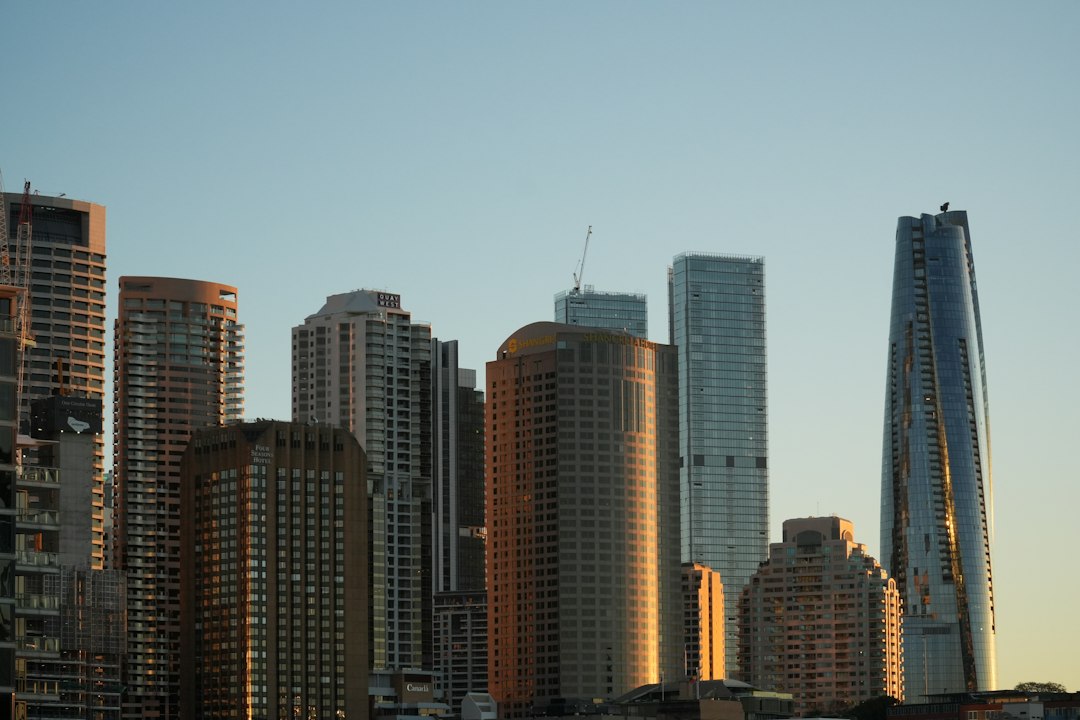
Image note: Contextual archival image of high-density development in metropolitan Sydney. It does not show any of the 15 declared sites. © Aryan Baviskar