One Angel Square A Model of Sustainability and Intelligence in the Workplace


Introduction
One Angel Square in Manchester, UK, stands as a landmark in contemporary Architecture, merging smart systems and sustainable strategies to redefine the modern workplace. Its double-skin façade, fluid interior spaces, and renewable energy integration illustrate how design intelligence and environmental responsibility can coexist. Originally conceived as the headquarters for The Co-operative Group, the building has evolved into a symbol of Smart and Sustainable workplace of Design that reshapes how architecture interacts with technology and people alike.
Architectural Design and Structure
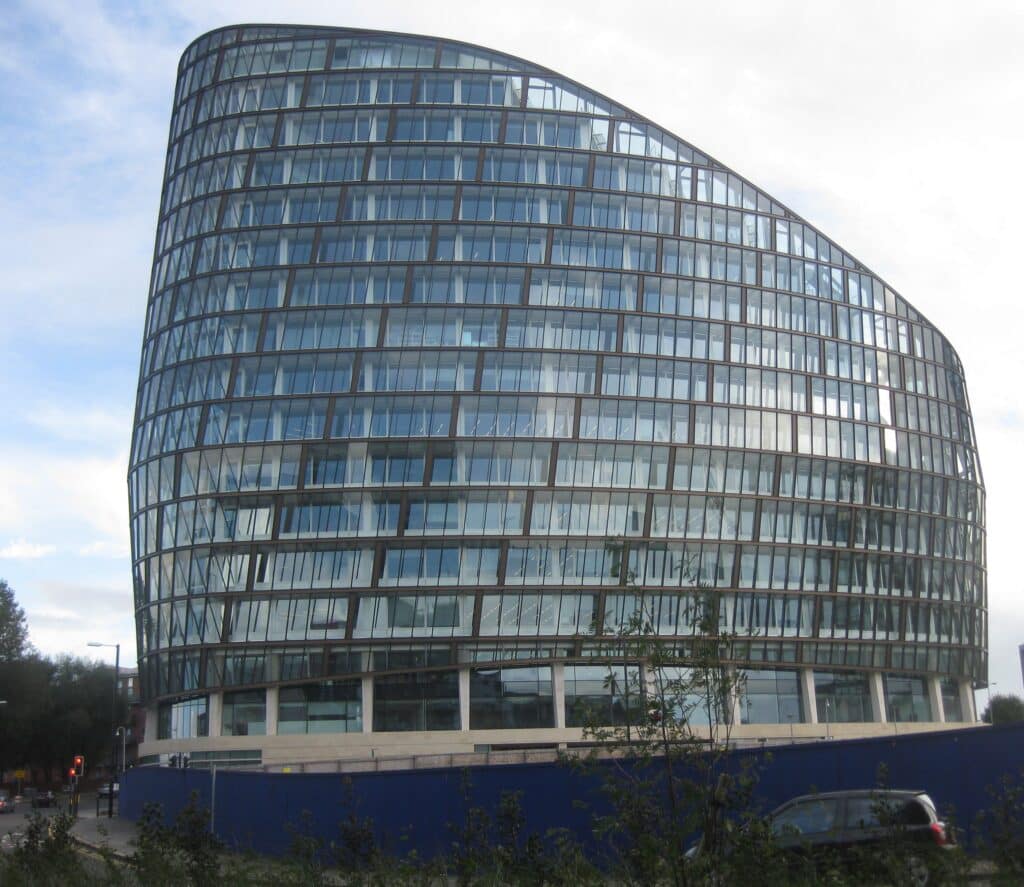
The project’s architectural language reflects transparency, functionality, and contextual relevance . The triple-core structure supports a steel-and-glass envelope that allows natural light to flood the interiors while maintaining optimal energy performance.
Internally, the open-plan spaces foster collaboration and adaptability, while sustainable materials emphasize tactile warmth and ecological awareness. The double-skin façade acts as both a visual statement and an environmental machine regulating air flow and minimizing thermal loss.
Technical Overview
| Item | Technical Details |
|---|---|
| Location | Manchester, United Kingdom |
| Type | Smart office building |
| Height | 72.5 m |
| Floors | 14 |
| Total Area | 30,000 m² |
| Façade System | Double-skin glazing |
| Energy Source | Biodiesel CHP plant |
| Ventilation | Natural, integrated |
| Sustainability Rating | BREEAM “Outstanding” |
| Construction Period | 2010–2013 |
| Architects | 3DReid Architects (UK) |
Environmental and Technological Integration
One Angel Square demonstrates how smart Sustainability can be applied holistically. A biodiesel-powered combined heat and power plant generates most of the building’s energy needs, reducing emissions dramatically. Motion and daylight sensors control the interior lighting, while harvested rainwater supports greywater systems.
The integration of real-time monitoring devices allows the building to self-regulate and optimize its performance daily. This interaction between human behavior and environmental data defines the future of Sustainable Design and responsible Architecture.

Urban Relevance and Spatial Impact
Beyond its engineering sophistication, the building holds strong urban and social significance. Situated within Manchester’s commercial district, it enriches the city’s skyline while symbolizing a shift toward Sustainable Urban Development.
Its openness and transparency express the ideals of cooperation and progress, turning the structure into a civic statement about the evolving identity of workplace architecture.
Conclusion
One Angel Square proves that innovation in Architecture is not merely about aesthetics but about how Design, Construction, and Sustainability converge to shape human experience.
It represents a vision for a smarter and greener future one where buildings are not static forms but living systems that adapt, evolve, and nurture life.
✦ ArchUp Editorial Insight
The One Angel Square project in Manchester presents a sophisticated example of contemporary architecture that integrates smart systems with sustainable initiatives within a modern workplace environment. The building employs a design language prioritizing transparency and efficiency through its double-skin façade and flexible internal layout that harnesses natural light and high-performance energy systems. Yet, this strong shift toward operational excellence and digital control raises questions regarding the potential detachment of human experience within the architectural space — can smart buildings retain the warmth and symbolism of place? Nonetheless, the project contributes to an evolving architectural discourse on how innovation can be aligned with environmental consciousness and urban identity and offers a benchmark for a future that balances human and ecological considerations.
A deeper Architectural Discussion within modern Architecture explores how innovative Design and advanced Construction methods reshape global Projects in the pursuit of sustainability and human-centered environments.