
Architecture Under Scrutiny: One Hyde Park Dispute Reopens the Question of Construction Quality

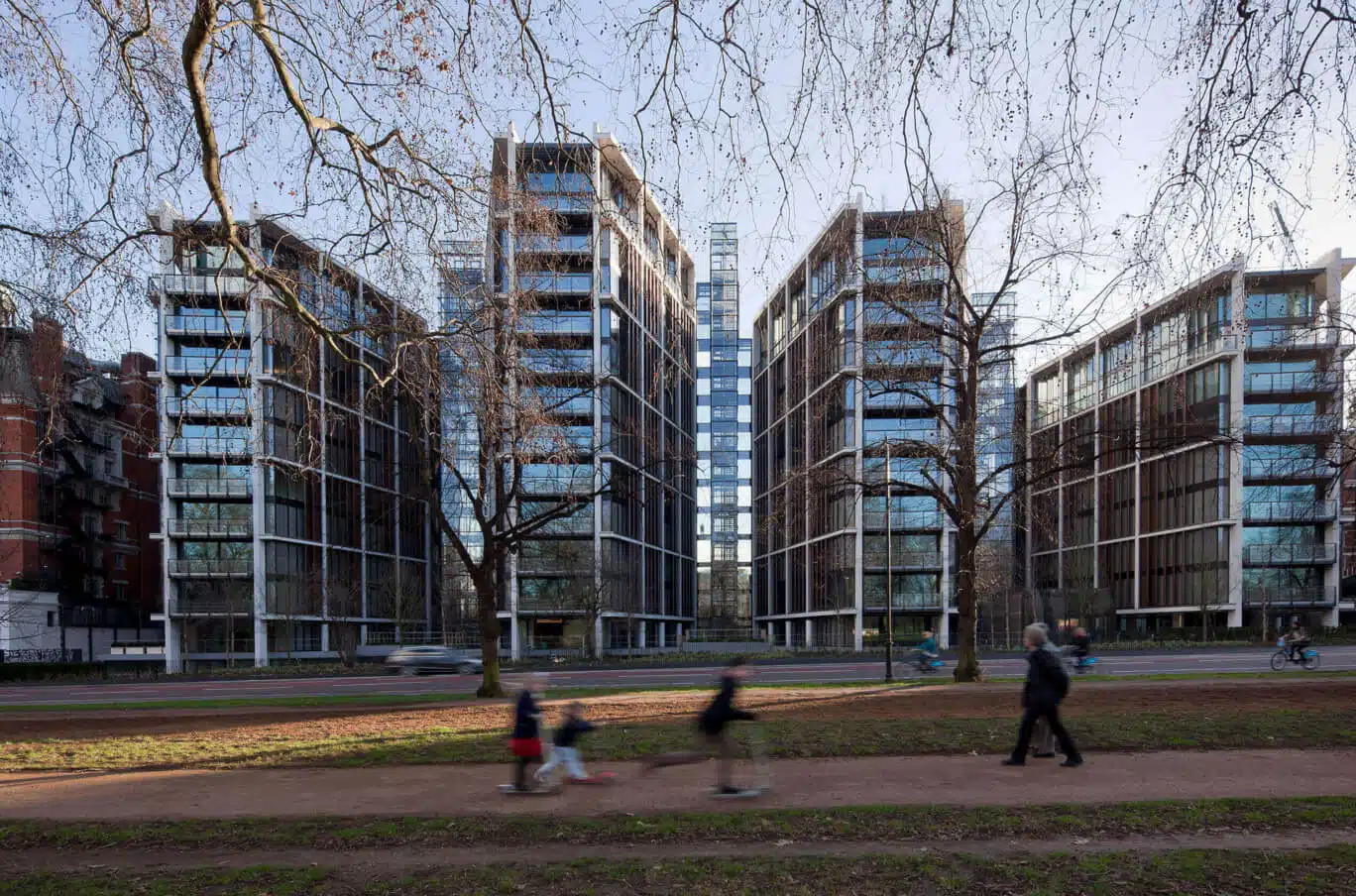
A recent ruling by the UK High Court has brought renewed attention to the often-fragile relationship between architectural design and construction quality, following a long-running dispute between residents of One Hyde Park and the project’s contractor. While the development is widely regarded as a benchmark for ultra-luxury residential architecture, the case reveals deeper structural questions relevant to contemporary architectural practice.
An Iconic Development with Hidden Challenges
Located adjacent to London’s Hyde Park, One Hyde Park has long symbolized exclusivity and architectural prestige. However, defects related to building services systems, including corroding pipework and problematic ductwork, have led to repair costs estimated at £35 million, exposing the vulnerabilities that can exist beneath refined architectural envelopes.
Beyond the Courtroom: Architecture as a System
Though legal in nature, the dispute underscores architectural concerns around technical detailing, interdisciplinary coordination, and the architect’s role beyond design delivery. Highly serviced buildings demand rigorous alignment between conceptual intent and on-site execution—an alignment that, when compromised, can have long-term consequences.
Implications for Contemporary Practice
From an architectural standpoint, the case highlights the importance of documentation, quality assurance processes, and re-evaluating the architect–contractor–developer relationship. In high-end developments, architectural success is increasingly measured not only by aesthetics but by durability, maintainability, and lifecycle performance.
A Forward Look for Architects
For architects, this ruling signals a broader shift toward accountability across the entire building lifecycle. It reinforces the growing relevance of post-completion involvement, expanded use of Building Information Modeling (BIM), and clearer frameworks for integrating design ambition with construction reality—particularly in complex, high-value projects.
✦ ArchUp Editorial Insight
The High Court ruling surrounding One Hyde Park reframes a celebrated luxury development within a Contemporary architectural condition where technical systems rival form in defining architectural success. While the project’s refined envelope and spatial composition positioned it as an icon of elite urban living, the emergence of severe services failures exposes the fragility of architecture conceived without sufficient systemic integration. However, the case prompts deeper reflection on Functional Resilience, questioning whether design ambition was matched by construction coordination, detailing rigor, and lifecycle foresight. In highly serviced buildings, architecture operates as an interconnected system rather than a singular aesthetic object, binding architects, contractors, and consultants into shared responsibility. Conversely, the dispute underscores the need for stronger alignment between conceptual clarity and on-site execution to protect long-term value within the Urban Fabric. Ultimately, the episode reinforces Architectural Ambition as inseparable from performance, durability, and accountability.

★ ArchUp Technical Analysis
Technical Analysis of the One Hyde Park Case and Quality Management in Complex Projects:
This article provides a technical analysis of the One Hyde Park case, serving as a case study in execution quality management and systems integration in high-tech luxury projects.
System Failures and Legal Principles:
The case concerns failures in the Mechanical, Electrical, and Plumbing (MEP) systems within the luxury One Hyde Park complex in London, requiring repair costs estimated at £35 million. The judgment issued by the London High Court establishes new legal principles regarding contractors’ liability for latent design defects, which could alter standard construction contracts.
Impact on Professional Practice:
The judgment indicates a shift towards more comprehensive accountability for designers and contractors across the building’s full lifecycle. This reinforces the necessity for architects to play a role in post-handover and maintenance phases, and increases the importance of tools like Building Information Modeling (BIM) for early clash detection, aiming to reduce execution errors by up to 40%.
Related Insight: Please review this article for an in-depth exploration of quality management in complex projects:
Building Information Modeling (BIM): From Design to Lifecycle Management



✅ Official ArchUp Technical Review completed for this article.