

Paper Architecture: The Radical Power of Unbuilt Visions

Introduction: The Paradox of Building Without Building
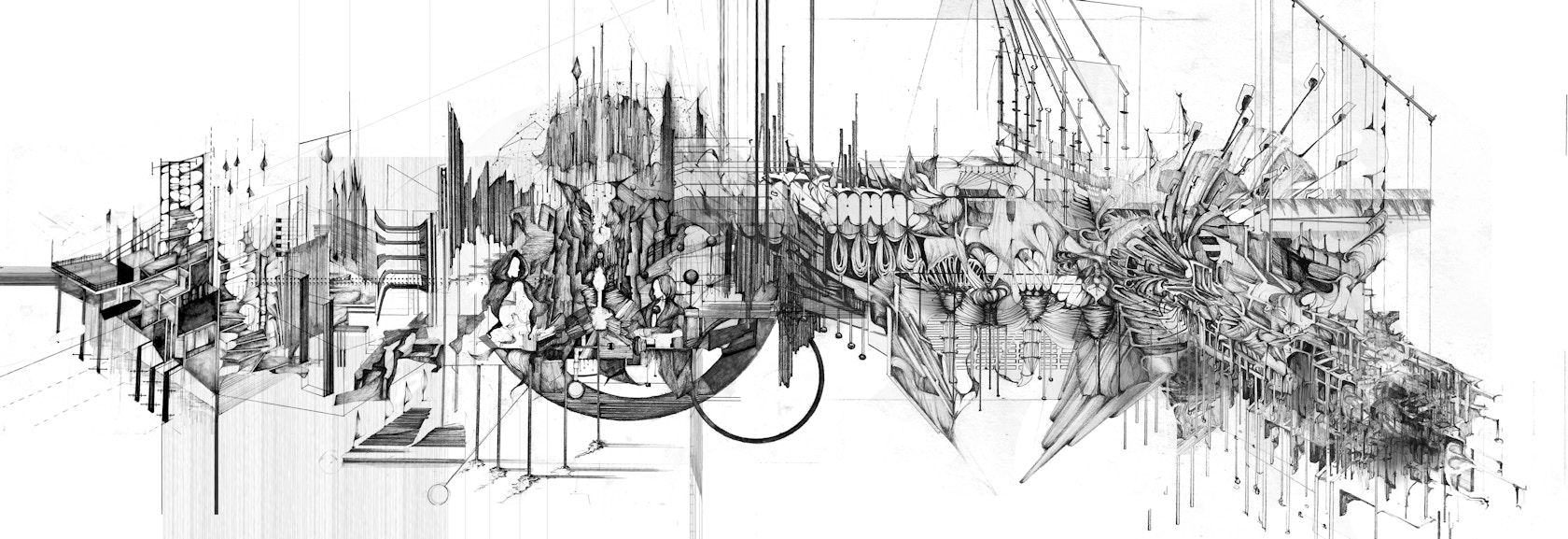
Behind the term “paper architecture” lies a compelling paradox—the radical act of designing structures that may never exist. Often dismissed as mere utopian fantasy or academic exercise, paper architecture transcends its speculative nature to become a powerful medium of protest, critique, and visionary thinking. Free from real-world constraints like budgets, materials, and regulations, paper architects use drawings, collages, and digital renders to challenge political regimes, architectural dogma, and cultural stagnation.
Far from being an escapist indulgence, paper architecture has historically served as a covert form of rebellion, offering architects a “safe” yet provocative platform for dissent. From Soviet-era critiques to contemporary digital activism, unbuilt designs continue to shape architectural discourse, pushing the boundaries of what architecture could—and perhaps should—be.
The Origins and Evolution of Paper Architecture
1. Archigram: Protesting Post-War Modernism
One of the most iconic paper architecture collectives, Archigram, emerged in 1960s London as a reaction against the rigid functionalism of post-war modernism. Their fantastical proposals—like the Walking City (a nomadic metropolis on mechanical legs) and Plug-In City (a modular, ever-changing urban landscape)—embodied a playful, technology-driven alternative to bureaucratic urban planning.
By rejecting the monotony of conventional architecture, Archigram’s pop-art-inspired visuals became a subversive critique of institutionalized design, proving that architecture could be radical, dynamic, and even humorous.
2. Yuri Avvakumov & Soviet Paper Architecture
In 1984, Russian architect Yuri Avvakumov coined the term “paper architecture” to describe a wave of speculative designs that flourished under Soviet censorship. Facing strict state-mandated architectural principles, Avvakumov and his contemporaries turned to allegorical, ironic drawings to critique the sterility of Soviet urban planning.
These unbuilt projects—often poetic and surreal—became a covert act of defiance, advocating for artistic freedom in an oppressive regime. Paper architecture, in this context, was not just an artistic exercise but a political weapon.
3. Lebbeus Woods: Architecture of War and Trauma
Few architects have explored the ethical dimensions of unbuilt design as profoundly as Lebbeus Woods. His post-apocalyptic cities, like War and Architecture and Underground Berlin, imagined structures that could heal war-torn environments.
Woods rejected commercial architecture, instead proposing radical, morally charged spaces that questioned how societies rebuild after destruction. His work remains a haunting reminder that architecture is not just about form—but about justice, memory, and resilience.
4. Zaha Hadid: Breaking Boundaries in Form and Gender
Before becoming the first woman to win the Pritzker Prize, Zaha Hadid’s early paper architecture challenged both formal conventions and gender biases. Inspired by Suprematist art, her dynamic compositions defied gravity and functionality, proving that architecture could be unapologetically abstract.
Hadid’s dominance in a male-dominated field also made her work a silent protest—demonstrating that visionary design knows no gender.

Paper Architecture in the Digital Age: New Forms of Activism
Today, paper architecture has evolved beyond hand-drawn sketches. Social media and digital tools have amplified its reach, transforming it into a global platform for activism:
- Forensic Architecture (Goldsmiths, University of London) uses 3D modeling and speculative visualization to investigate human rights abuses, turning architectural tools into evidence in court.
- Competitions like eVolo Skyscraper and platforms like ArchOutLoud encourage architects to tackle climate change, migration, and inequality through speculative design.
- Digital collages, GIFs, and interactive renders now serve as instant protest art, critiquing authoritarianism, environmental destruction, and social injustice.
Why Paper Architecture Still Matters
Despite accusations of being “unbuildable” or “impractical,” paper architecture remains vital because it:
Challenges Commercialization Resists architecture’s reduction to mere profit-driven development.
Encourages Ethical Debate Forces architects to ask: Who are we building for? At what cost?
Inspires Real-World Change Many radical paper concepts (like green cities or floating habitats) later influence actual projects.
Conclusion: The Unbuilt as a Catalyst for Change
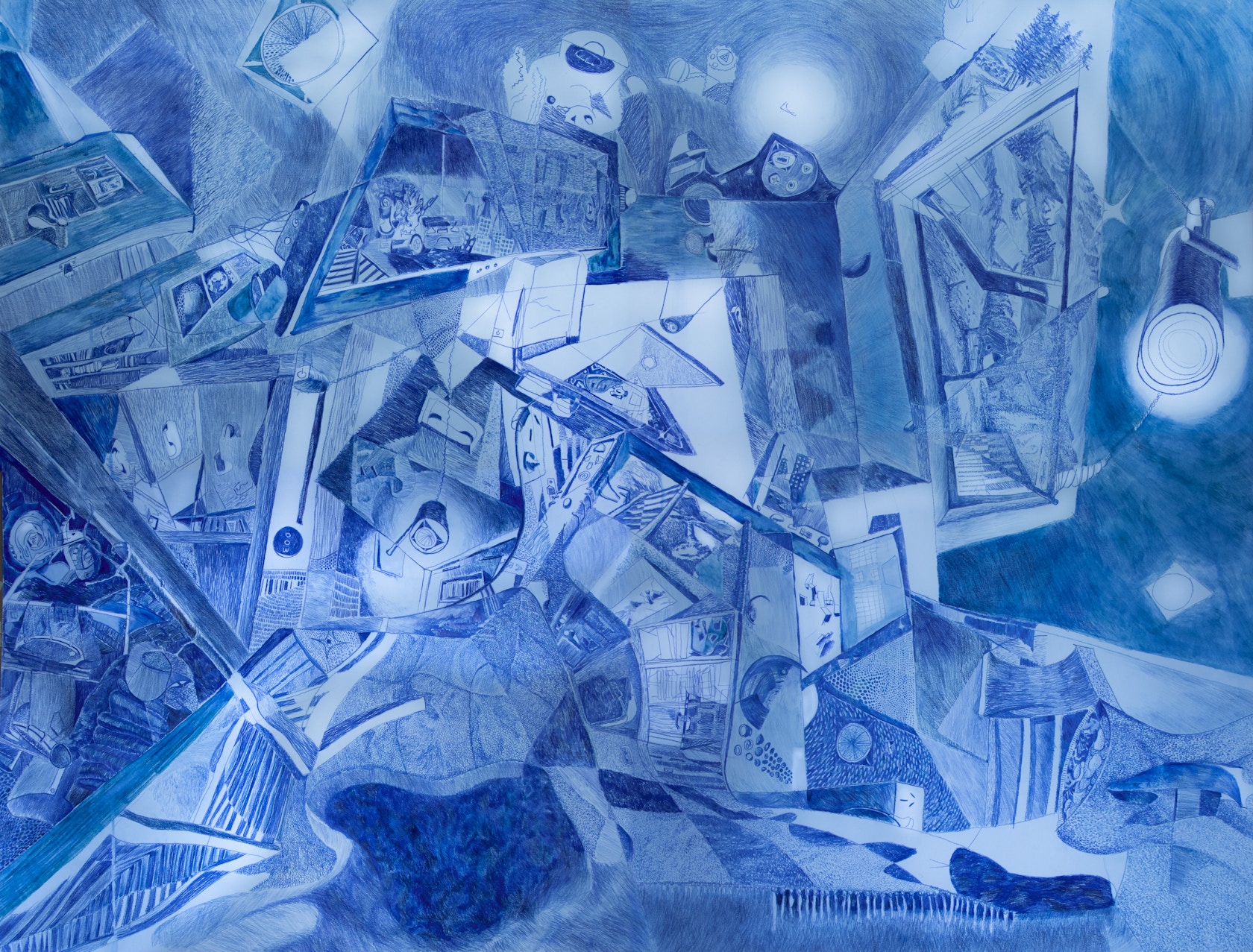
Paper architecture is more than just beautiful drawings it’s a moral compass for the discipline. By imagining alternatives to the status quo, it keeps architecture ethically alive, reminding us that the most important structures are sometimes the ones never built.
Explore More with ArchUp
ArchUp documents the evolving profession of architects worldwide, from career insights and research to project profilesand industry news. Our editorial team publishes global salary trends, career advice, and opportunities for emerging talents. Learn more on our About page or Contact us to collaborate.


