Powerful Earthquake Hits Southern Philippines, Exposing Fragility of Coastal Structures

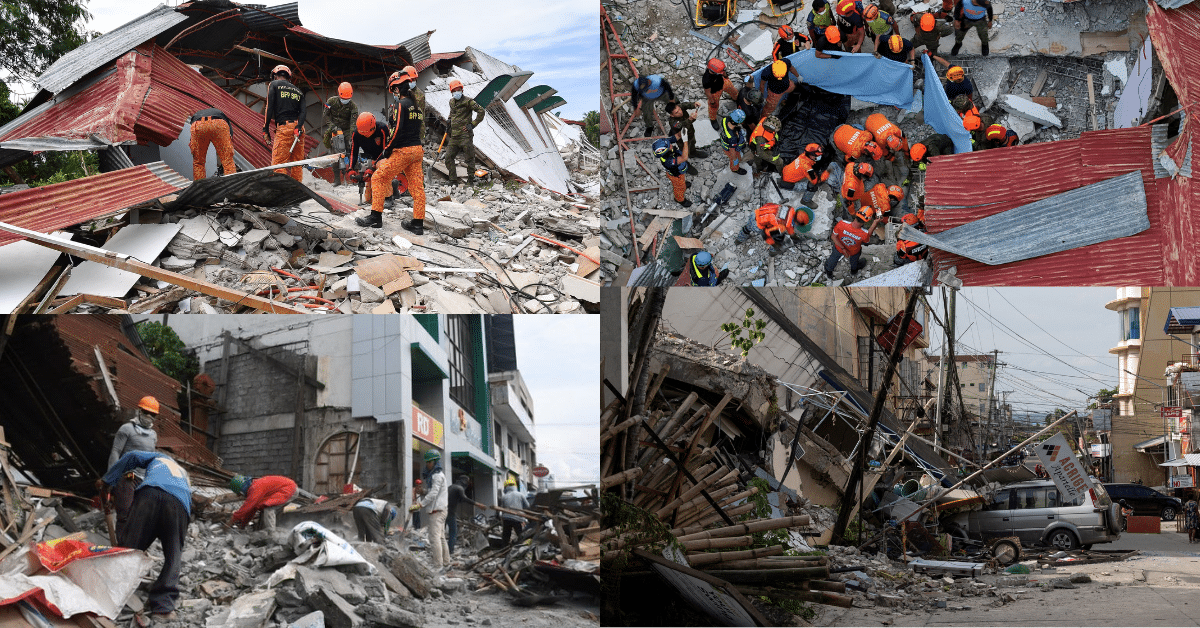
A 7.4 magnitude earthquake struck southern Philippines, revealing the structural vulnerability of several coastal cities. The tremor caused visible damage to residential and public buildings, particularly in areas where the ground shook violently in the early morning.
Widespread Structural Damage
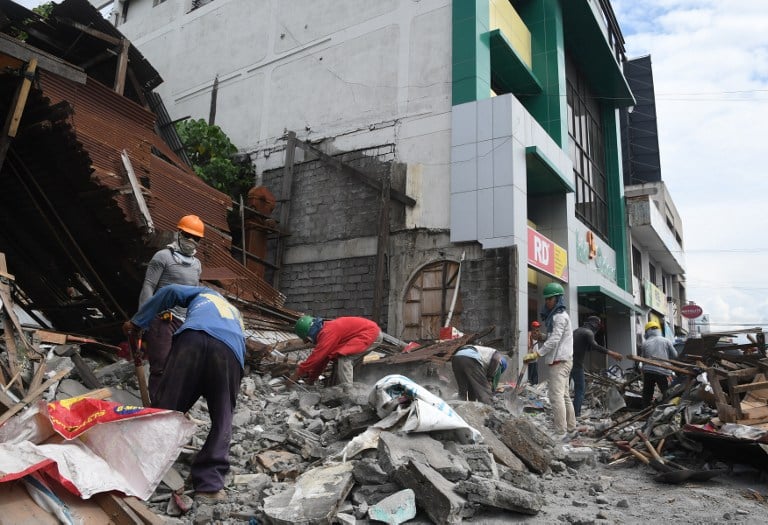
Across towns like Manay and Davao Oriental, the earthquake left deep fissures in concrete walls, exposing the vulnerability of older structures. Bridges and roads also suffered damage, disrupting movement across several areas. Authorities carried out urgent evacuations of buildings showing signs of structural instability.
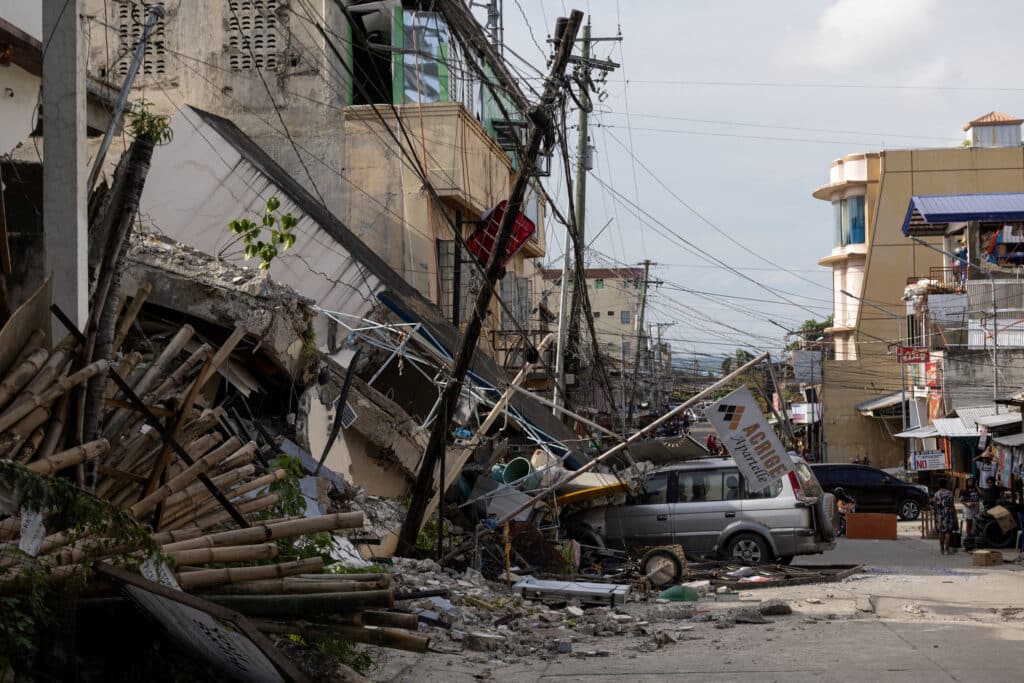
Weak Residential Construction
Initial assessments indicate that most damage affected low-rise structures built with unreinforced concrete blocks and traditional masonry materials inherently unable to absorb strong seismic forces. The lack of seismic gaps between adjoining buildings amplified the destruction, enabling vibrations to cascade through tightly clustered urban fabrics.
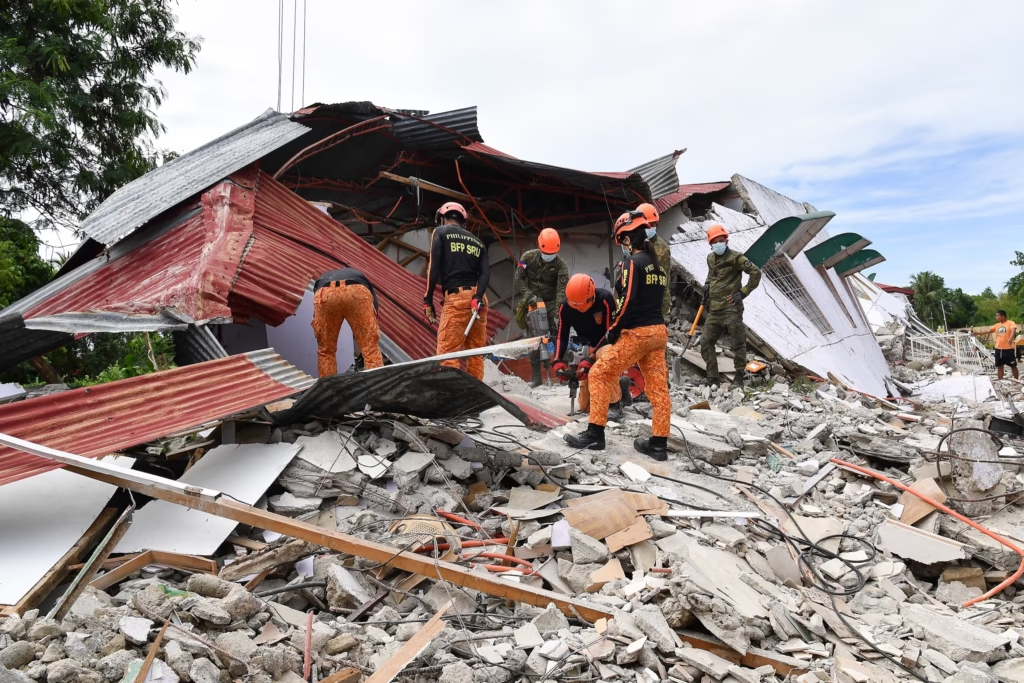
Urgent Structural Assessment
Local teams began assessing the structural integrity of damaged buildings, focusing on the foundations and load-bearing columns in affected zones. Temporary reinforcements are being applied to cracked houses pending full restoration or demolition if deemed unsafe.

Architectural Implications
The event reignited debate over compliance with earthquake-resistant building standards in rural and coastal communities. Many homes in these areas are built informally, without proper engineering oversight. It also underscored the urgent need for resilient architectural frameworks that respond to soil dynamics and seismic conditions across Mindanao and neighboring regions.
✦ ArchUp Editorial Insight
This article presents a layered reflection on how the recent Philippine earthquake revealed the structural fragility of coastal architecture. The visuals depict fractured concrete walls and distorted frameworks, exposing the widespread absence of seismic design standards in local construction. While the focus remains on immediate physical damage, the narrative also questions how future architectural practices might respond to seismic risk. The piece emphasizes the need for flexible and sustainable design strategies. It preserves value as an archival study of vulnerability in coastal built environments.
Explore the Latest Architecture Exhibitions & Conferences
ArchUp offers daily updates on top global architectural exhibitions, design conferences, and professional art and design forums.
Follow key architecture competitions, check official results, and stay informed through the latest architectural news worldwide.
ArchUp is your encyclopedic hub for discovering events and design-driven opportunities across the globe.