Polynesian Marae and Waka Shelters Where Spirit and Community Intersect

Introduction
Across the islands of Polynesia, structures like marae and waka shelters are far more than buildings — they are living reflections of tradition, identity, and connection. These sacred spaces serve as the heart of spiritual and communal life, where people gather not only to perform rituals but also to reaffirm their ties to each other and to their ancestors.

The Marae: A Space for Ancestral Connection
What is a Marae?
A marae is a sacred open-air courtyard, often outlined by stone platforms or wooden elements, where rituals, community decisions, and ancestral ceremonies take place. It is a space where the spiritual and physical worlds come together.
Structure and Design
- Flattened earth, often covered with sand or gravel.
- A stone platform called the ahu, which holds sacred symbols or carvings.
- Carefully oriented layouts, often aligned with the sun or stars — reflecting Polynesian navigation traditions.
Cultural Significance
The marae is a place where communities renew their bonds with their ancestors and reinforce shared values. It’s not just sacred; it’s social, cultural, and deeply symbolic — a place where the soul of the community speaks.

Waka Shelters: Protecting the Sacred Canoes
What is a Waka?
The waka is a traditional Polynesian canoe — once used to navigate the vast Pacific, it symbolizes exploration, survival, and the relationship between humans and the sea.
Why Waka Shelters Matter
These canoes were protected in specially built waka shelters, not only to shield them from weather, but also because they were viewed as sacred. Often, waka were involved in ceremonial practices — and their shelters carried spiritual value as well.
Key Architectural Features
| Element | Description |
|---|---|
| Materials | Coconut wood, palm fronds, coral stones |
| Roof Design | Arched or sloped roofs supported by strong wooden posts |
| Location | Always near the shoreline, sometimes directly connected to the marae |

How Marae and Waka Interconnect
These structures were not isolated from each other. In fact, they formed a spiritual and functional network. A waka journey often began with a blessing at the marae, and upon return, rituals of gratitude and protection were performed before the canoe was stored.
Modern Architectural Influence
In recent years, several Pacific nations have begun to revive these structures, using them as inspiration for contemporary public buildings that still honor traditional design and symbolism.
| Country | Modern Use |
|---|---|
| New Zealand | Cultural centers and schools modeled after marae spaces |
| Tonga | Renovated waka shelters turned into community museums |
| Samoa | Waka symbols integrated into public meeting halls |
Conclusion
Marae and waka shelters are not just remnants of the past — they are vibrant symbols of Polynesian identity, continuity, and respect for ancestry. Preserving and reimagining these spaces is more than cultural preservation; it’s a way of keeping history alive and relevant.
✦ ArchUp ✦ Editorial Insight
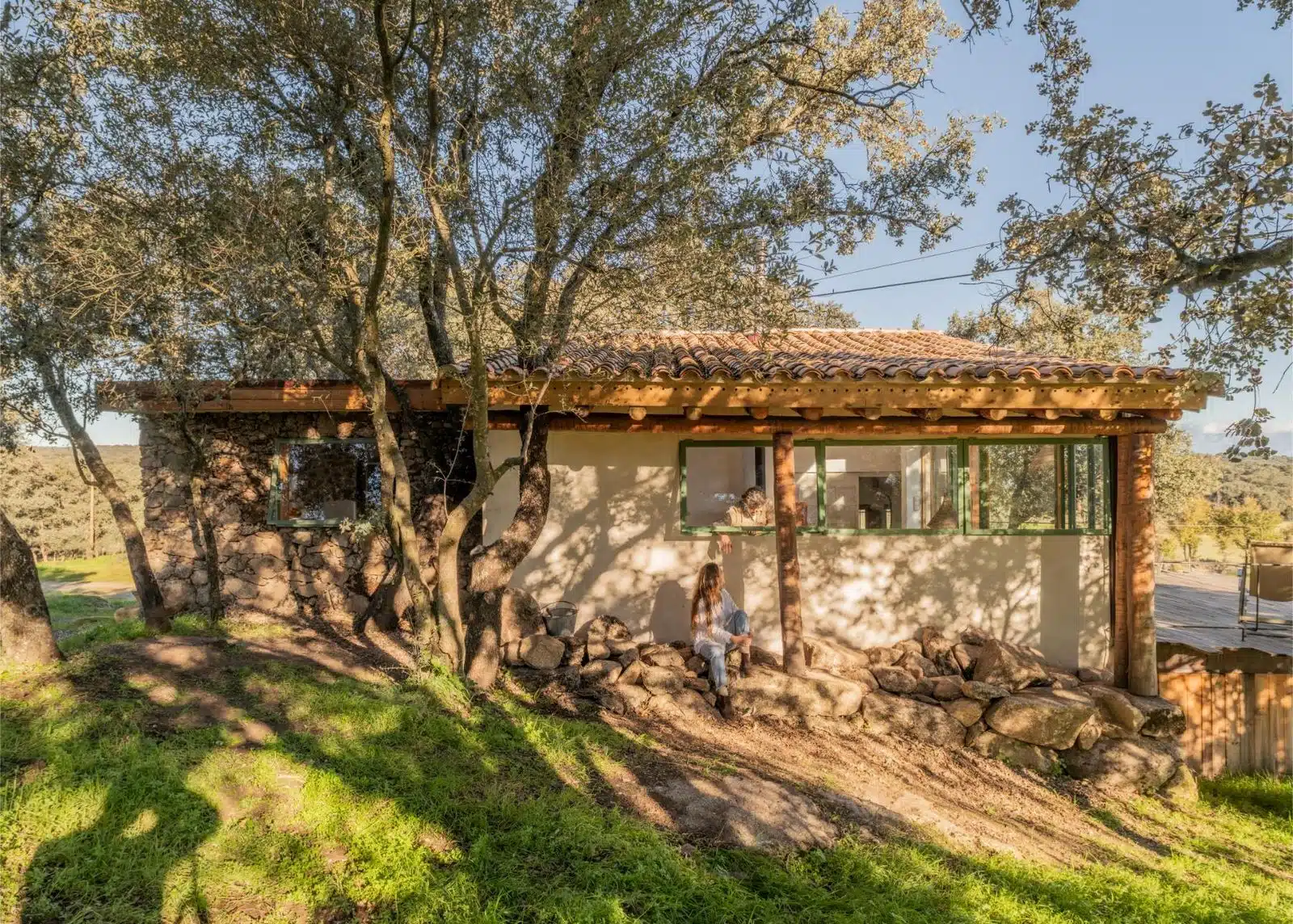
This article explores the spiritual and communal significance of Polynesian marae and waka shelters. The visuals highlight organic materials like coral stone, coconut wood, and palm fronds—arranged in open, sun-oriented layouts that reflect deep cultural symbolism. However, while the structures evoke reverence and historical continuity, the piece could further analyze how these sacred forms translate into contemporary urban contexts. Do they hold relevance beyond symbolic preservation? Despite this, the article succeeds in shedding light on the intersection between sacred space and indigenous identity, offering a thoughtful reference point for culturally rooted design strategies.
Explore the Latest Architecture Exhibitions & Conferences
ArchUp offers daily updates on top global architectural exhibitions, design conferences, and professional art and design forums.
Follow key architecture competitions, check official results, and stay informed through the latest architectural news worldwide.
ArchUp is your encyclopedic hub for discovering events and design-driven opportunities across the globe.