
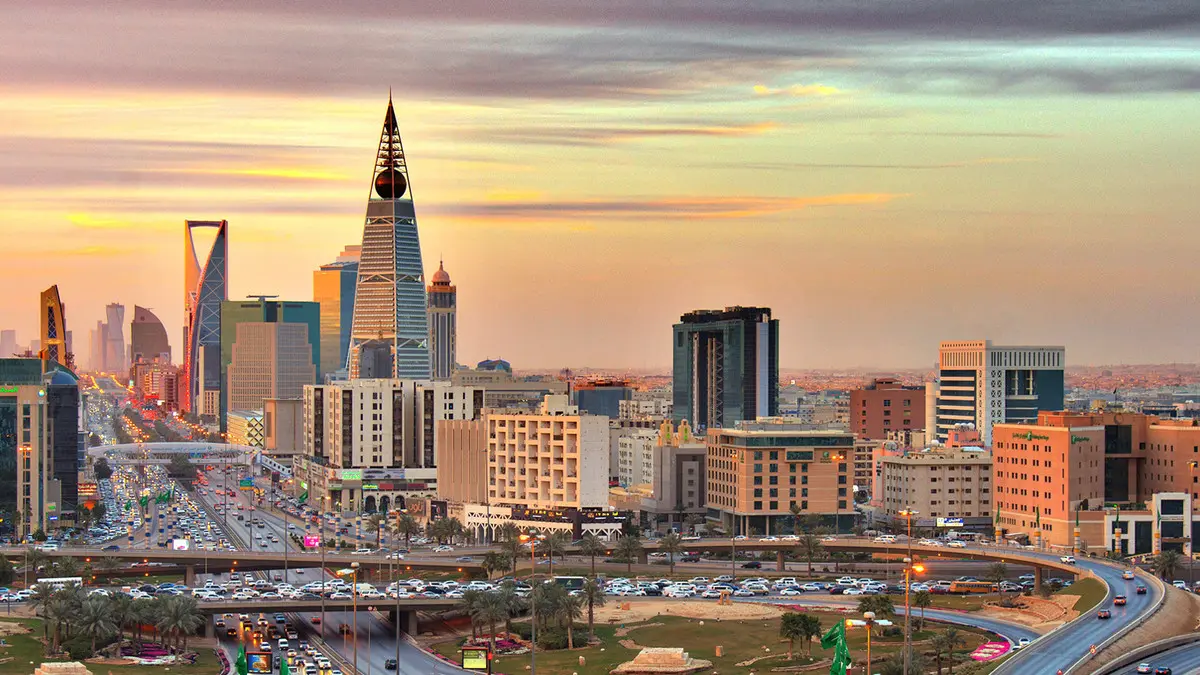
Riyadh Royal Commission to Conduct Housing Land Lottery via “Real Estate Balance” Platform

The Royal Commission for Riyadh City is set to announce the conclusion of the objection submission period related to eligibility results for purchasing residential land through the Real Estate Balance platform, which began on November 8. All objections will be reviewed by a designated committee ahead of the electronic lottery scheduled for Wednesday, December 17, to select eligible beneficiaries.
Platform Launch and Objectives
The Real Estate Balance platform was launched in September to receive applications from citizens seeking residential land in Riyadh, in line with directives issued by Crown Prince Mohammed bin Salman, aimed at restoring balance in the capital’s real estate sector.

Land Supply at Capped Prices
The initiative targets the provision of between 10,000 and 40,000 residential plots annually over the next five years, with prices capped at SAR 1,500 per square meter, offering planned and serviced land to citizens.
Eligibility Requirements
Eligibility is open to married citizens or those aged 25 and above, provided they do not own another property and have resided in Riyadh for at least three years. Conditions also include restrictions on selling, mortgaging, or otherwise disposing of the land for 10 years, except for mortgages used to finance construction. If construction does not occur within this period, the land is reclaimed and its value refunded.

Integrated Digital Process
The platform operates through a fully integrated digital system, covering application submission, eligibility announcements, lottery execution, plot allocation, off-plan sales procedures, and final ownership transfer. It is supported by coordination with relevant government entities to ensure data accuracy and efficient processing.
Supporting Sustainable Urban Planning
These measures aim to support sustainable urban planning, balance housing supply and demand, stabilize the residential real estate market, and enhance quality of life in Riyadh, following earlier directives addressing rising land and rental prices in the city.
✦ ArchUp Editorial Insight
The Real Estate Balance platform represents a Contemporary governance-led approach to housing provision in Riyadh, positioning land distribution as an instrument of urban regulation rather than speculative growth. By offering serviced residential plots at capped prices through a fully digital process, the initiative reframes material access to land as a planned component of spatial dynamics and long-term city making. However, questions emerge regarding contextual relevance within Riyadh’s expanding urban fabric, particularly whether dispersed land allocation can genuinely support compact, efficient urban form or risks reinforcing horizontal sprawl. The strict resale and development constraints signal an intent to curb speculation, yet they also test functional resilience by limiting flexibility for beneficiaries amid changing economic conditions. Ultimately, the program reflects an architectural ambition centered on recalibrating supply, governance, and livability, with its lasting value dependent on integration with broader mobility, density, and urban quality strategies.


