Reasons for concrete structural failure

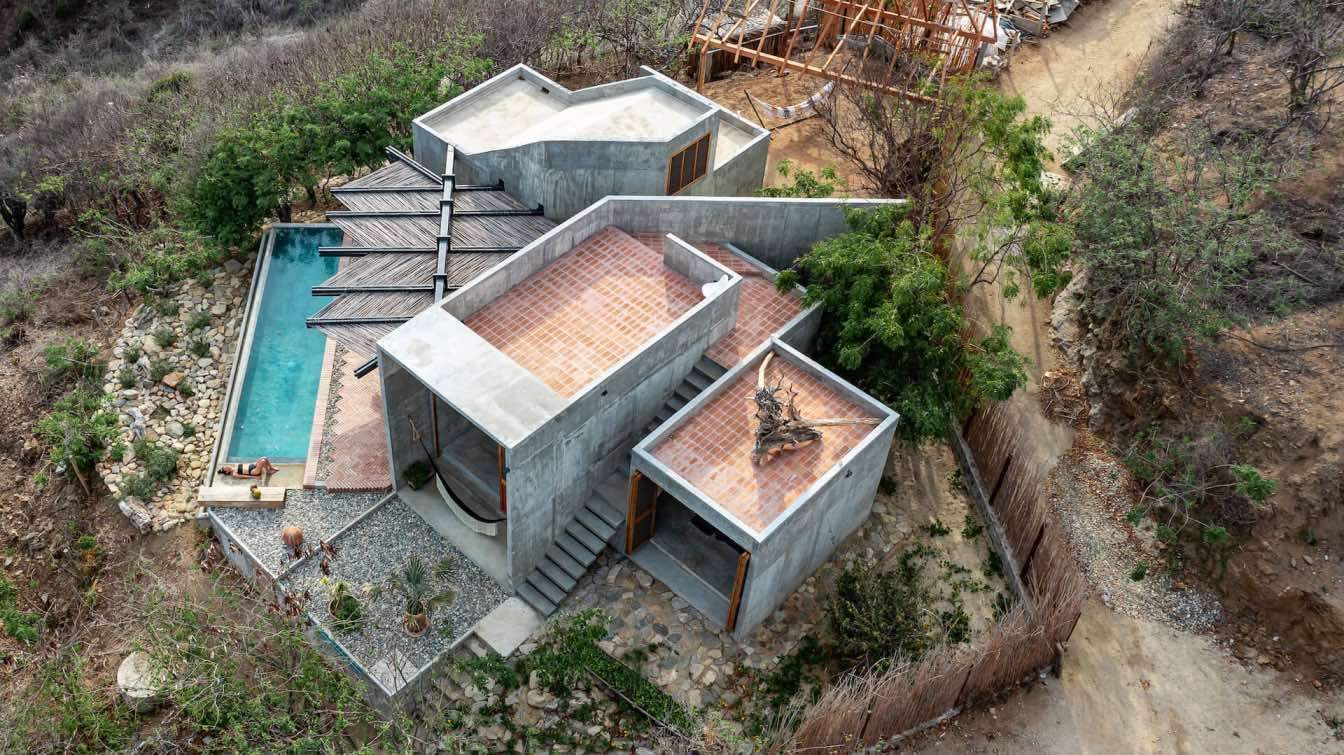
Reasons for concrete structural failure,
Concrete has become a very popular material in construction,
so if you watch any building being built, you will likely see a lot of concrete,
poured and shaped to create walls, floor slabs, sidewalks, roads, bridges, etc.
Because of this excessive use, you should be aware of the potential for appreciable structural failures.
Concrete fault repair
Significant structural failures on private property need to be repaired,
you just need to find a concrete repair expert to prevent it from getting worse.
After a structural inspection of your property, a professional will determine if the damage is severe enough to be replaced
or if it is simply filling cracks and holes with filler material before repairing the problem area.
In some cases, concrete structural failures are simply the result of a concrete mix that has not been manufactured properly.
If this is the case, the concrete can be replaced with a new mixture that is more durable and less likely to crack in the future.
If you are not sure if the concrete has structural failure, you can always have it tested by a professional.
It is a good idea if you are planning to sell your home in the near future,
as this may affect the resale value of your property.
Concrete structural failure can also make it difficult to secure your home.
Reasons for concrete structural failure
One of the most common causes of concrete structural failure is poor design,
and this can also be due to a number of factors, such as:
- Using the wrong type of concrete for application
- Not taking into account climatic conditions
- The structure is not properly reinforced
- Poor quality control and wrong construction
- Insufficient quality control
- Using too much water while mixing concrete, not allowing it to recover properly, or failing to install reinforcement properly.
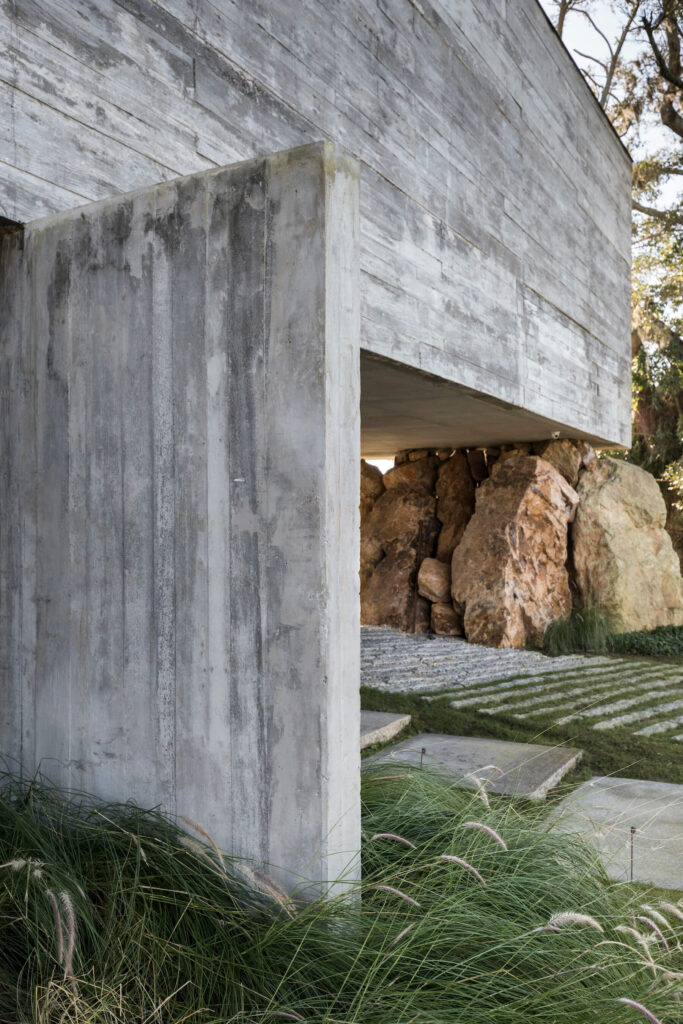
Reasons for concrete structural failure
Well-constructed buildings can also degrade, due to a variety of factors, such as weathering, corrosion of rebar, or the reaction of a silica alkali.
Faults can also be caused by accidental events, such as a car hitting a bridge or an earthquake shaking a building.
Finally, terrorism or sabotage can also lead to tangible structural failures.
Concrete structural failure causes many other problems
Cracks can cause many problems around the house as they appear.
Everything from minor cosmetic problems result from concrete cracking and beginning to crumble.
Such as small holes in sidewalks and driveways, or more serious safety hazards such as collapsing a balcony or an entire section of a wall.
The important thing to note is that you can’t always know concretely their strengths and weaknesses, or how they perform in different situations.
This means that even if a bit of fracturing is acceptable now, you should still take the time to have your property checked periodically, by a professional who can quickly identify it before it leads to bigger problems.
How can concrete structural failure be prevented?
Most tangible structural failures are preventable,
so if you use high-quality materials when constructing concrete structures and take care during their installation,
you will likely avoid any major problems in the future.
However, even the best structures can eventually succumb to the effects of weathering and aging,
so regular inspections are still essential.
If significant structural failures occur, it is important to address them as soon as possible,
as ignoring the problem can lead to further damage.
And in some cases it can lead to the failure of the entire structure.
If you are not sure how to properly maintain concrete structures,
it is best to consult a professional engineer.
With proper care and attention, your concrete structures can provide many years of reliable service.

Concrete structure failure is not always obvious
Homeowners may not notice certain types of concrete structural failures as they occur.
For example, capillary cracks in slabs can expand rapidly unnoticed as they make their way into nearby soil, leading to further splitting.
In other cases, an entire section of a wall or sidewalk may begin to twist,
due to foundation problems underneath, but this change is often hidden from view by the surrounding landscape and structures.
Some problems with significant structural failures are quick to reveal themselves,
one example being the flattening and sinking of the ground, which can lead to visible cracks in the driveways.
This type of problem usually develops slowly over months or years
as the volume of water and soil changes and the land moves.
Another common problem is concrete failing to cure properly after pouring,
resulting in a spongy or weak surface that can easily crumble.