Rethinking Structural Design for Sustainable Cities

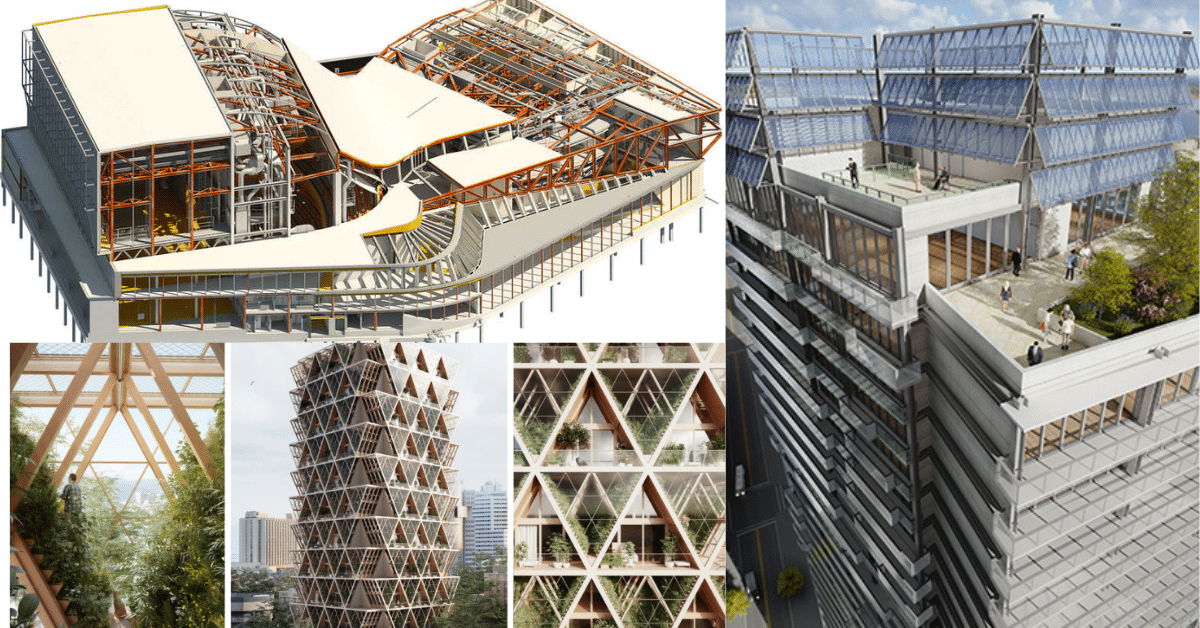
Architecture today is moving rapidly toward construction methods that are more environmentally conscious, aiming to reduce material consumption while creating more resilient and efficient buildings. This shift is grounded in three key approaches: structural optimization, performance based design, and modular construction, complemented by the growing role of artificial intelligence.
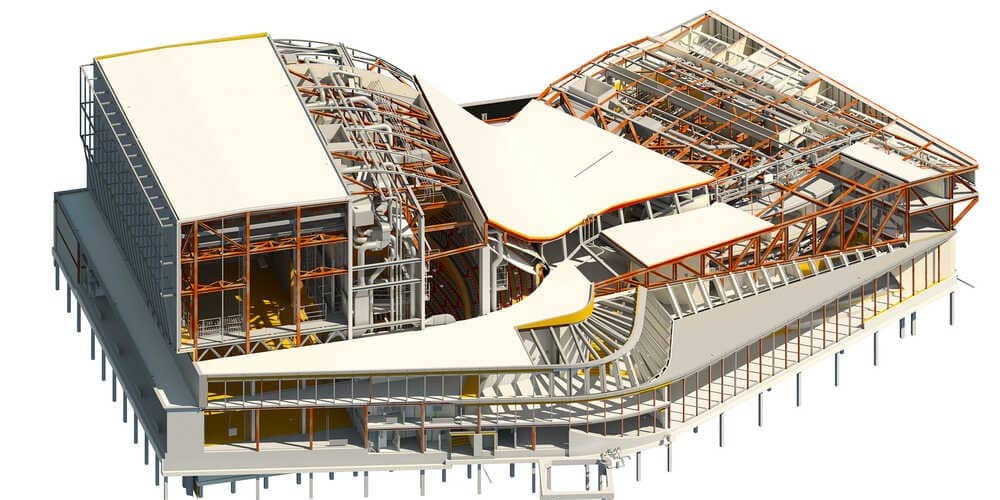
Structural Optimization
This method relies on a precise study of soil structure interaction to reduce the amount of material used in foundations and load bearing systems, while maintaining safety and functionality. Experience has shown that such strategies can significantly cut material use and lower embodied carbon in construction.
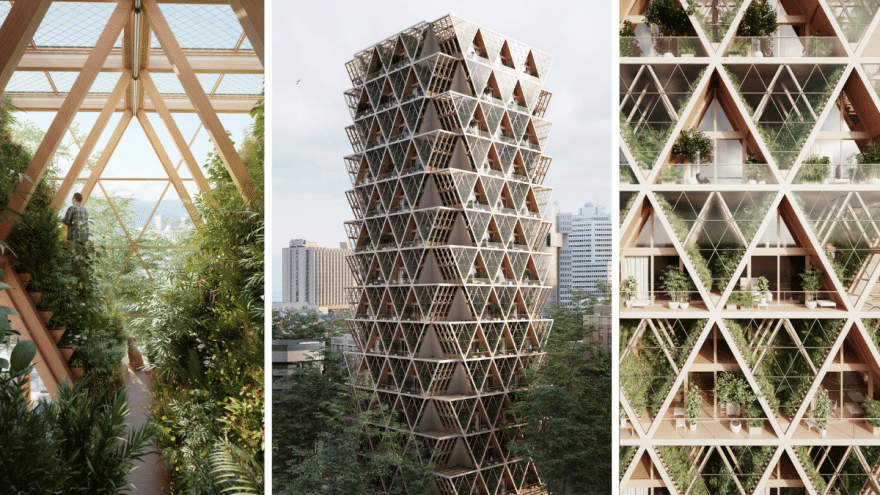
Performance-Based Design
Unlike the traditional approach that relies solely on codes and prescriptive standards, this method focuses on the actual structural behavior of buildings under different loads and conditions. The result is leaner, more efficient structures that lower costs and reduce emissions particularly in high rise towers and large-scale developments.
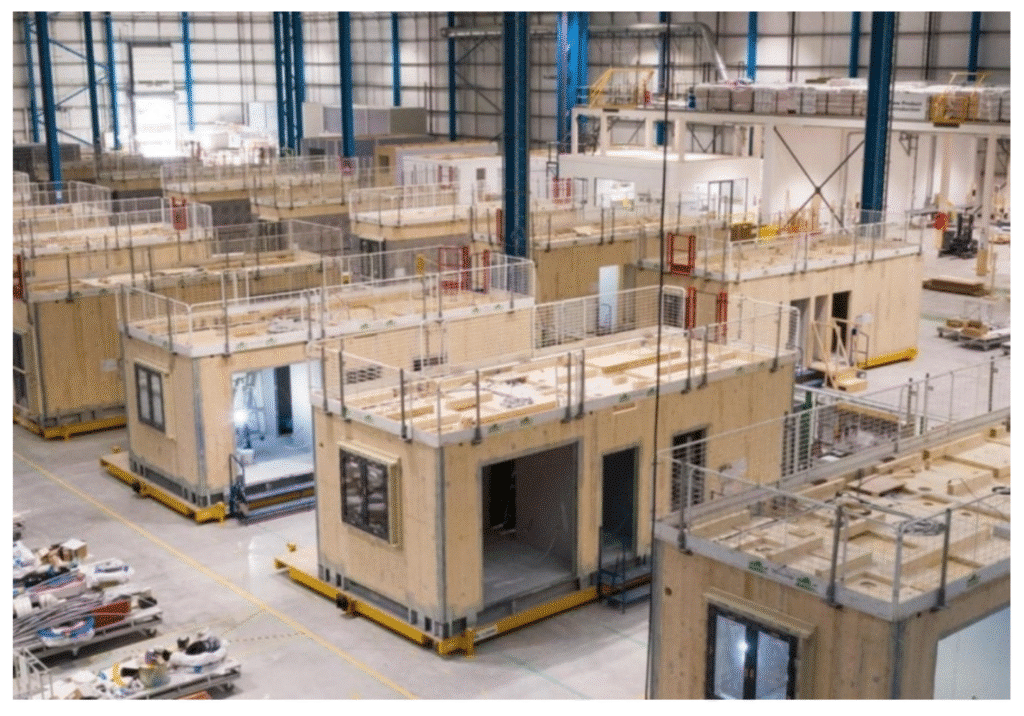
Modular Construction
Prefabricated and modular units mark a significant step toward sustainability. This approach moves large parts of construction off-site. It reduces construction waste and lowers labor requirements. It also minimizes environmental impacts such as noise, dust, and emissions. Modular systems add flexibility. They allow units to be reused and adapted for different functions, including housing, offices, and hospitality.
Artificial Intelligence and Sustainable Design
Digital tools are now capable of simulating multiple design scenarios and identifying solutions that use the least energy and materials. This enables projects to reduce their carbon footprint from the earliest stages, while also saving time and effort throughout the design process. AI contributes to higher efficiency across all phases of construction.
Toward a More Sustainable Architecture
These approaches highlight a new architectural vision where designers create buildings that go beyond functionality or aesthetics, integrating them into systems that redefine urban development. This shift makes cities more sustainable, adaptable, and ready to face challenges of climate and resource management.
✦ ArchUp Editorial Insight
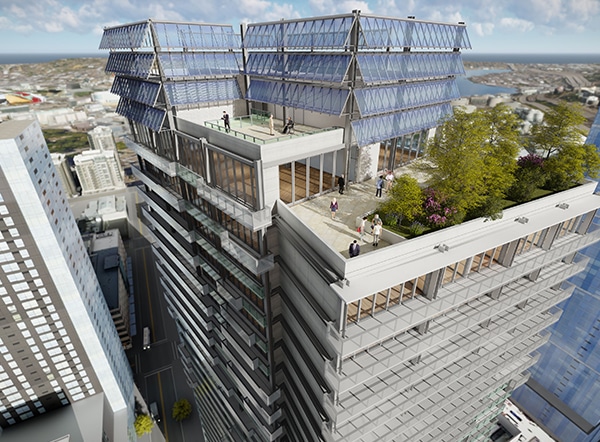
The article frames structural design as a path to sustainability through optimization, performance-based strategies, and modular methods enhanced by AI. The visuals emphasize lightweight frames, repetitive modular forms, and precise geometries that suggest material efficiency. Yet the human dimension of spatial experience is left unaddressed, raising questions about daily usability and cultural resonance. Similarly, the narrative privileges efficiency over urban integration and contextual relevance. Still, the piece underlines the constructive potential of rethinking structural systems as a means to reduce carbon impact and foster more adaptable, resource-conscious architecture.
Explore the Latest Architecture Exhibitions & Conferences
ArchUp offers daily updates on top global architectural exhibitions, design conferences, and professional art and design forums.
Follow key architecture competitions, check official results, and stay informed through the latest architectural news worldwide.
ArchUp is your encyclopedic hub for discovering events and design-driven opportunities across the globe.