Revolutionary Ocean-Degradable Plastic Developed by Japanese Researchers

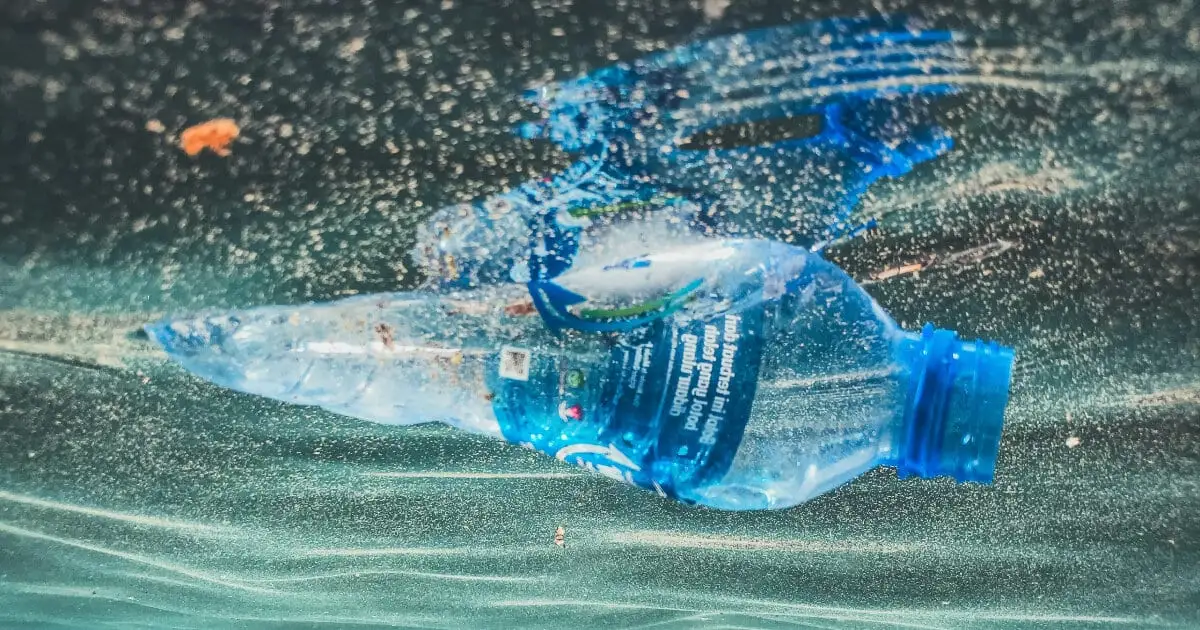
A team led by Dr. Takuzo Aida at the Riken Center for Emergent Matter Science (CEMS) in Japan has pioneered a fully biodegradable plastic that dissolves in seawater without leaving microplastic pollution. This innovation, created in collaboration with the University of Tokyo and Eindhoven University of Technology, addresses the global plastic crisis by merging sustainability with functionality.
Key Innovations
- Supramolecular Plastic Design:
- Uses ionic monomers: sodium hexametaphosphate (a food-grade additive) and guanidinium sulfate (forms strong, flexible bonds).
- These monomers self-assemble via reversible interactions, enabling the plastic to dissolve in seawater within hours.
- Desalination Process:
- Separates the polymer-rich phase (structural component) from the salt-containing aqueous phase.
- Without this step, the material becomes brittle and unusable.
- Eco-Friendly Degradation:
- In seawater: Dissolves completely, leaving no microplastics.
- In soil: Degrades in 10 days, releasing nitrogen and phosphorus—nutrients beneficial for plants.
Advantages Over Conventional Plastics
- Non-toxic & Non-flammable: Produces no carbon emissions.
- Recyclable: Can be reshaped at 120°C like thermoplastics.
- Versatile Applications:
- 3D-printed medical tools (using sugar additives for structural bridges).
- Durable packaging, flexible films, or load-bearing materials.
Environmental Impact
Traditional plastics persist for centuries, leaching microplastics into ecosystems. This new material offers a sustainable alternative, breaking down harmlessly while enriching soil with nutrients.
Research Team:
Yiren Cheng, Eiji Hirano, Hao Wang, Motonobu Kuwayama, Ew Meijer, Hubiao Huang, Takuzo Aida.
Institutions: Riken CEMS, University of Tokyo, Eindhoven University of Technology.