RIBA Yorkshire Awards Shortlist Spotlights Heritage and Innovation

The Royal Institute of British Architects has revealed its 2026 RIBA Yorkshire Awards shortlist. Seven projects are now in the running for the top honor. This year’s announcement showcases a remarkable blend of historic preservation and forward-thinking design. The selections highlight a regional commitment to both heritage and environmental responsibility. Consequently, the list reflects a dynamic architectural landscape. The projects range from sensitive restorations to cutting-edge new builds, demonstrating architectural excellence across the region.
Heritage Meets High-Tech at York Minster
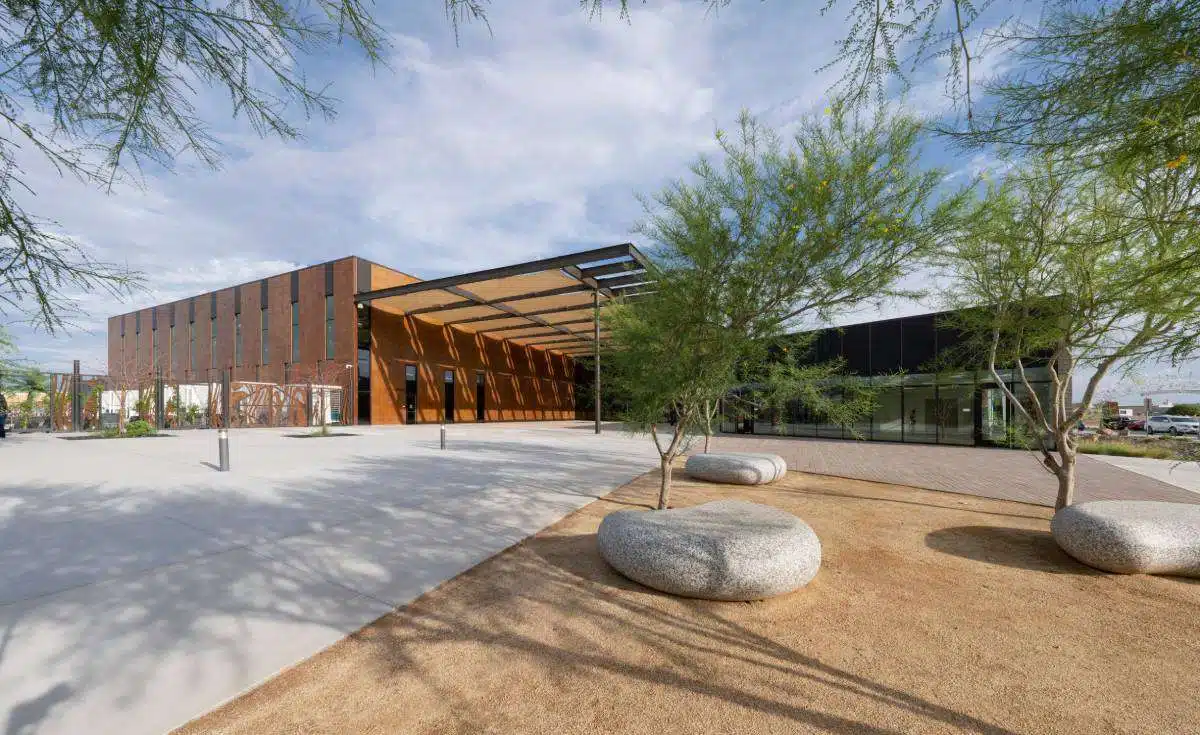
A new Technology Hub within the York Minster precinct stands out. It is part of the Centre of Excellence for Heritage Craft Skills. The facility provides modern workshops for traditional trades. These include stonemasons, joiners, and electricians. Moreover, the project integrates advanced construction techniques, like 5-axis CNC machining for stone. It also features a new visitor viewing platform. The design strongly emphasizes sustainability with solar panels and extensive water recycling systems. This hub represents a major step in preserving heritage skills for the future.

Sheffield’s Park Hill Continues Its Transformation
The second phase of the Park Hill redevelopment in Sheffield also made the list. This project continues the ambitious renewal of the iconic 1960s complex. The restoration of these historic buildings focuses heavily on improving energy efficiency. Meanwhile, it respects the original design intent. This phase has already gained significant recognition. It previously won a RIBA Yorkshire Award in 2024 and a RIBA National Award. Therefore, its inclusion in the shortlist underscores its successful architectural design.
A Diverse Field of Contenders
The five other finalists reflect the region’s diverse architectural output. The list includes a BREEAM Outstanding office development in Leeds and a private home adapted for accessibility. Additionally, a Grade I listed hall has been thoughtfully repurposed. The shortlist also features a net-zero carbon country house and another heritage quad project at York Minster. This variety highlights a broad commitment to quality urban planning and design for modern living, from public internal spaces to private residences.

The judging committee will visit the shortlisted projects in March 2026. The regional winners will be announced shortly after these events. These winners will then advance to compete for the RIBA National Awards in the summer. Ultimately, they may contend for the prestigious Stirling Prize in October, joining a legacy of celebrated past projects. This competition continues to be a key feature in the global news of architecture.
Which of these innovative projects do you believe will win the top prize?
A Quick Architectural Snapshot
Located at the historic York Minster, the Technology Hub is a center for heritage crafts. It contains modern workshops for stonework, carpentry, and electrical trades. The facility integrates CNC machinery, a visitor viewing area, low-carbon technologies, solar power, and advanced water recycling within a sensitive historical context.
✦ ArchUp Editorial Insight
The selection framework of a regional awards program establishes a powerful incentive structure. It signals a low-risk, high-reward pathway for project validation by consistently recognizing a specific pairing: heritage assets and quantifiable sustainability metrics. This decision-making logic prioritizes projects that are legible to judging committees and align with prevailing cultural anxieties about historical erasure and environmental futures.
The repeated fusion of protected structures with modern, “green” technologies becomes an optimizable strategy. Consequently, the architectural outcome is a predictable portfolio of building typologies. These include technology hubs integrated into historic sites and energy-upgraded modernist blocks. The built form is the logical result of a system that rewards the successful documentation of adherence to this specific cultural and economic formula.