Self-Reflective Architecture: 8 Studios Designed by Their Own Architects

Introduction: The Studio as an Architectural Self-Portrait
Can an architecture firm’s design of its own studio be considered a “self-portrait”? Much like an artist painting their own likeness, architects craft workspaces that reflect their creative identity and design philosophy. These spaces are not just traditional offices—they are living architectural statements that blend functionality with artistic expression, testing bold ideas free from client constraints.
In this article, we explore 8 exceptional studios designed by architecture firms for themselves, from Portland to Casablanca, showcasing:
- Innovative adaptive reuse (warehouses, schools, social clubs).
- Commitment to sustainability (carbon-neutral buildings, recycled materials).
- Flexible design that fosters collaboration and creativity.
1. Skylab HQ – Portland, Oregon
Transforming Warehouses into a Creative Playground
After years in a historic building, Skylab converted two pre-WWII steel warehouses into:
- A hybrid studio with manufacturing and art spaces.
- 60-foot operable windows for natural light.
- A mix of industrial grit and organic warmth (exposed steel, wood accents).
“We wanted a space that merges work with the artistic community.” – Skylab team.

2. Alexander House – Sydney, Australia
Award-Winning Carbon-Neutral Live/Work Space
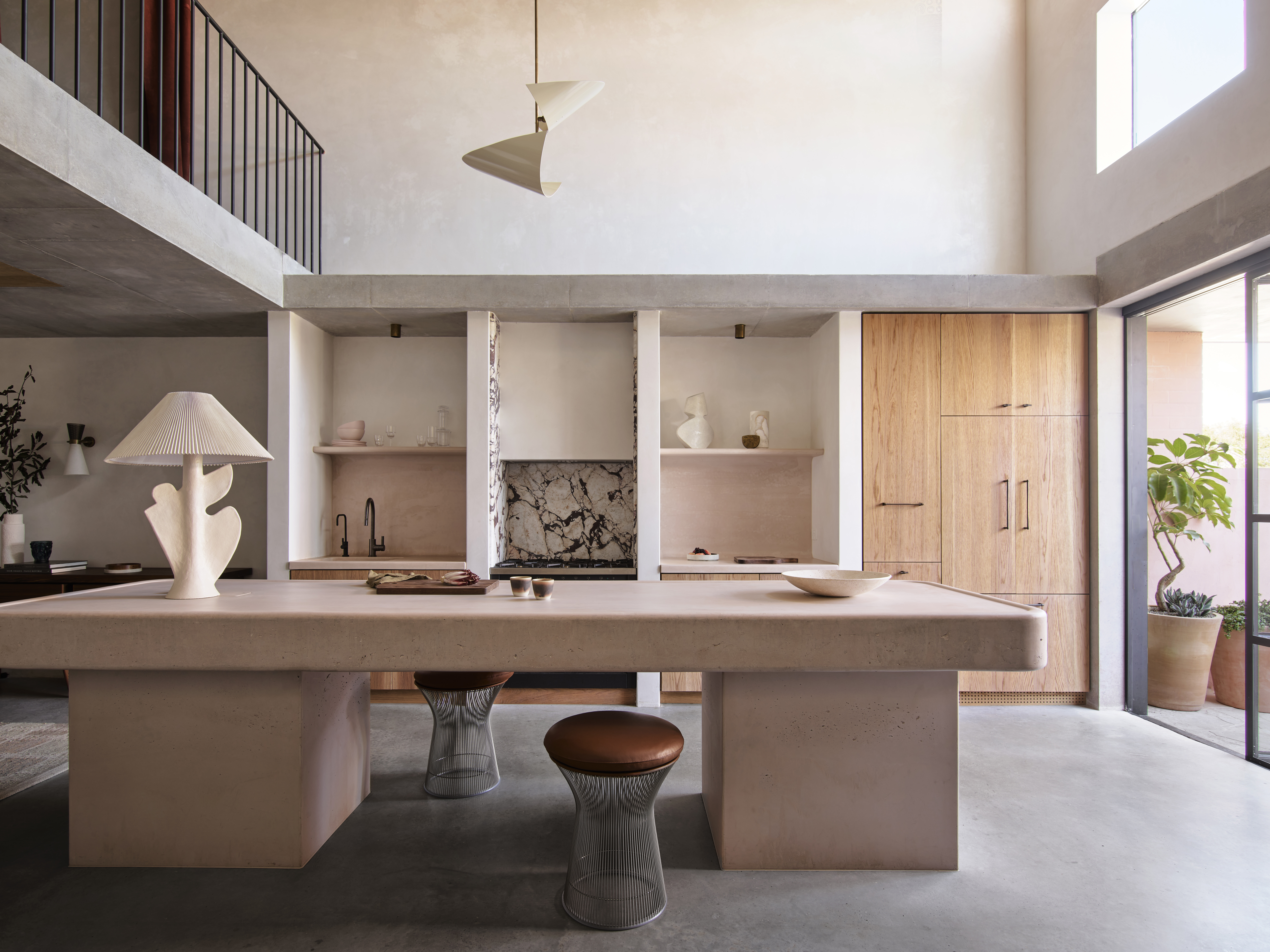
Alexander & Associates designed a home that doubles as a studio, challenging domestic/professional norms with:
- Carbon-neutral brickwork and solar energy.
- A basement material library for prototyping.
- A concrete mezzanine for quiet focus.
3. Community Architects Office – Hangzhou, China
A Studio as a Living Manifesto
This workspace celebrates raw creativity through:
- Exposed steel beams and unfinished surfaces.
- Hanging gardens for improved air quality.
- Custom timber shelving for model displays.

4. Bohlin Cywinski Jackson – Philadelphia, USA
Reviving a 1923 Social Club as a Modern Studio
The firm adapted a historic venue into:
- Flexible work zones for solo and group work.
- Preserved terrazzo floors and decorative details.
- Panoramic city views through restored windows.

5. ADND – Mumbai, India
Industrial Warehouse Turned Design Cathedral
Highlights include:
- A 26-foot-high central bay with pivoting windows.
- Handcrafted oak chairs and terrazzo reception desks.
- A blend of industrial heritage and contemporary craft.

6. Cays Studio – Casablanca, Morocco
Minimalism as a Design Philosophy
Features:
- White tiled walls and seamless epoxy floors.
- A central workbench for collaboration.
- An open plan resembling an artist’s atelier.

7. Smart Design Studio – Sydney, Australia
Carbon-Neutral Studio in an Industrial Shell
Awarded for:
- Adaptive reuse of a warehouse.
- Original steel trusses repurposed as mezzanines.
- On-site renewable energy systems.

8. Park + Associates – Singapore
1960s School Library as an Anti-Office
This studio embraces:
- A barrel-vaulted, column-free hall.
- Floor-to-ceiling windows for cross-ventilation.
- Informal work nooks to spark creativity.

Conclusion: The Studio as Architectural Legacy
These studios prove workspaces can be tools for innovation, reflecting:
- A firm’s identity.
- Its sustainability ethos.
- Its vision for the future.
“Designing our studio was a testbed for ideas we later applied to client projects.” – Lead architect.
Catch up on the latest projects, trends, and bold ideas in the world of “architectural” content on ArchUp.