

Skydweller: An Ambitious Leap Toward Eco-Friendly Unmanned Aircraft

Technical Challenges in Developing Solar-Powered Unmanned Aerial Vehicles (UAVs)
Over the past years, major technology institutions such as NASA and Boeing have attempted to develop solar-powered drones capable of flying for extended periods without interruption.
However, most of these attempts have ended in failure, primarily due to a structural issue known as aeroelasticity—a phenomenon where flexible wings are unable to remain stable in the face of air turbulence. This is particularly challenging at altitudes ranging from 6,500 to 32,000 feet. Consequently, ensuring the long-term stability of such aircraft during flight has been difficult.
A New Approach: The Skydweller Project
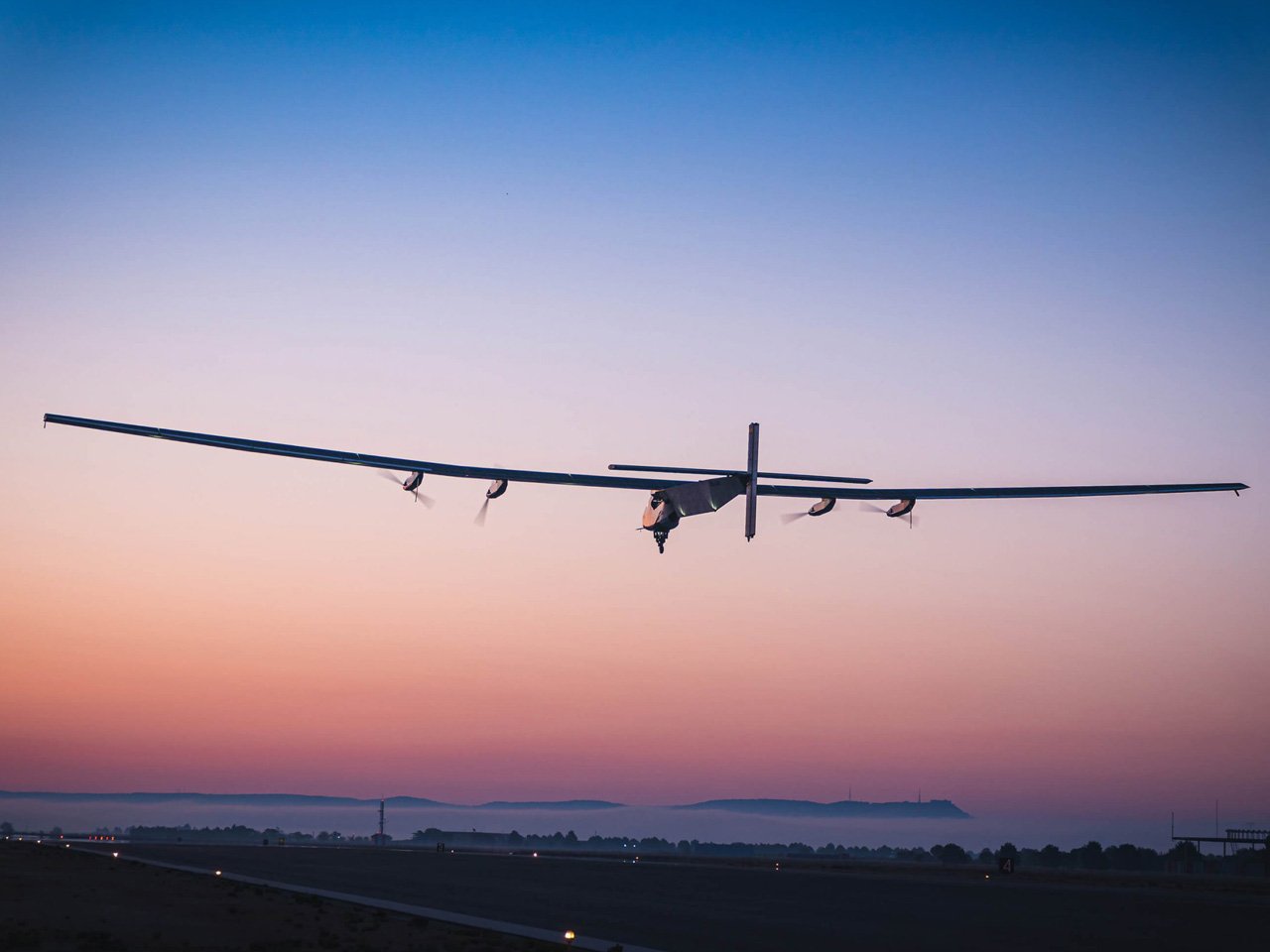
Recently, a new approach has emerged from an American technology company called Skydweller Aero, which has successfully developed a fully solar-powered unmanned aircraft known as Skydweller.
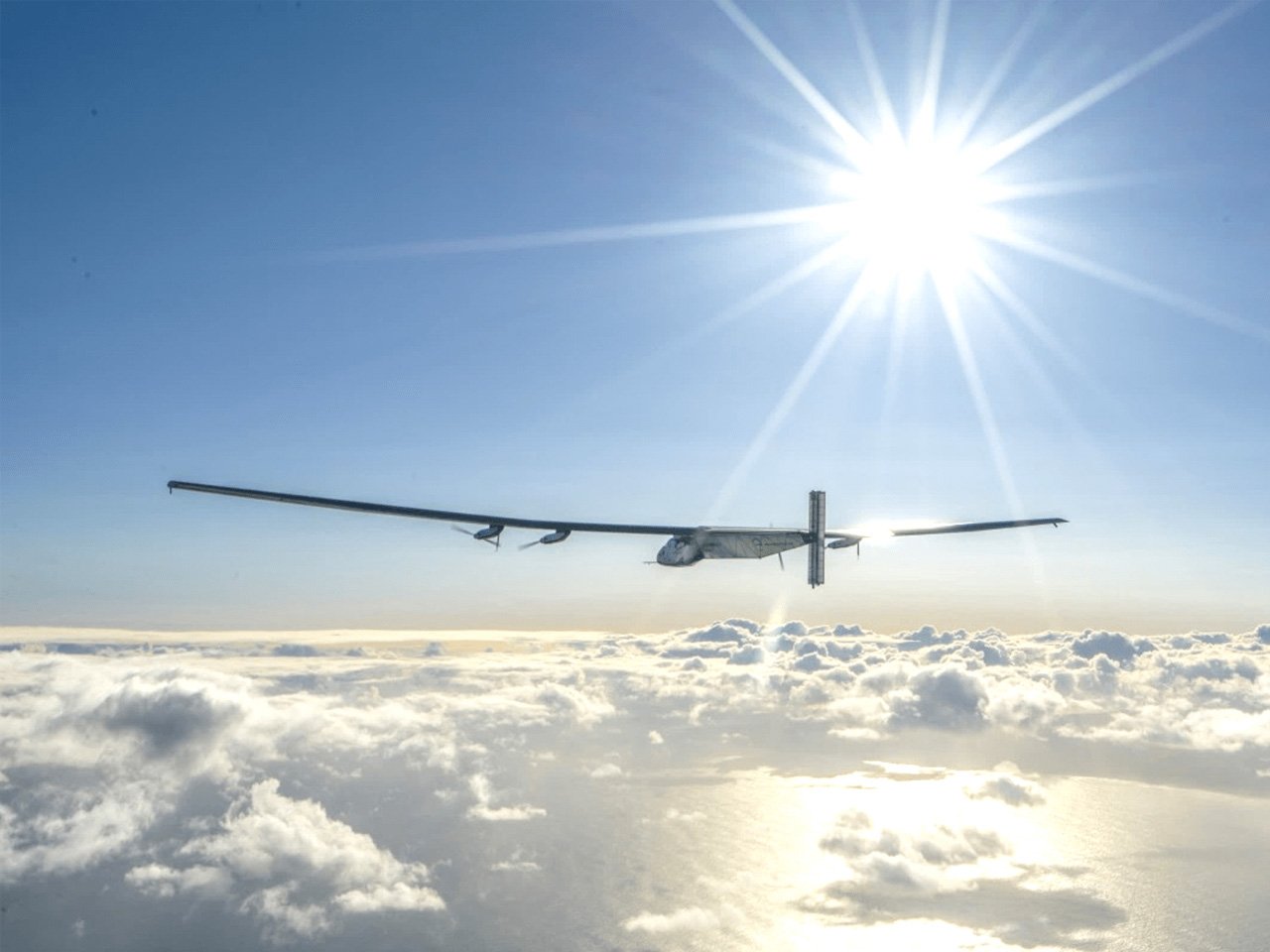
What sets this aircraft apart is its ability to remain airborne for up to 90 consecutive days without needing to land. This capability opens the door to new applications that rely on long-endurance flight.
Current Uses and Technical Focus
Although Skydweller is not currently intended to disrupt the rules of commercial air transportation, the project’s main focus lies in maritime surveillance. It is developed in partnership with the French company Thales, specializing in defense systems.
This collaboration reinforces the aircraft’s military and intelligence-oriented nature. Especially given its capability to cover vast areas without direct human intervention.
Advanced Engineering for Solar Power Generation
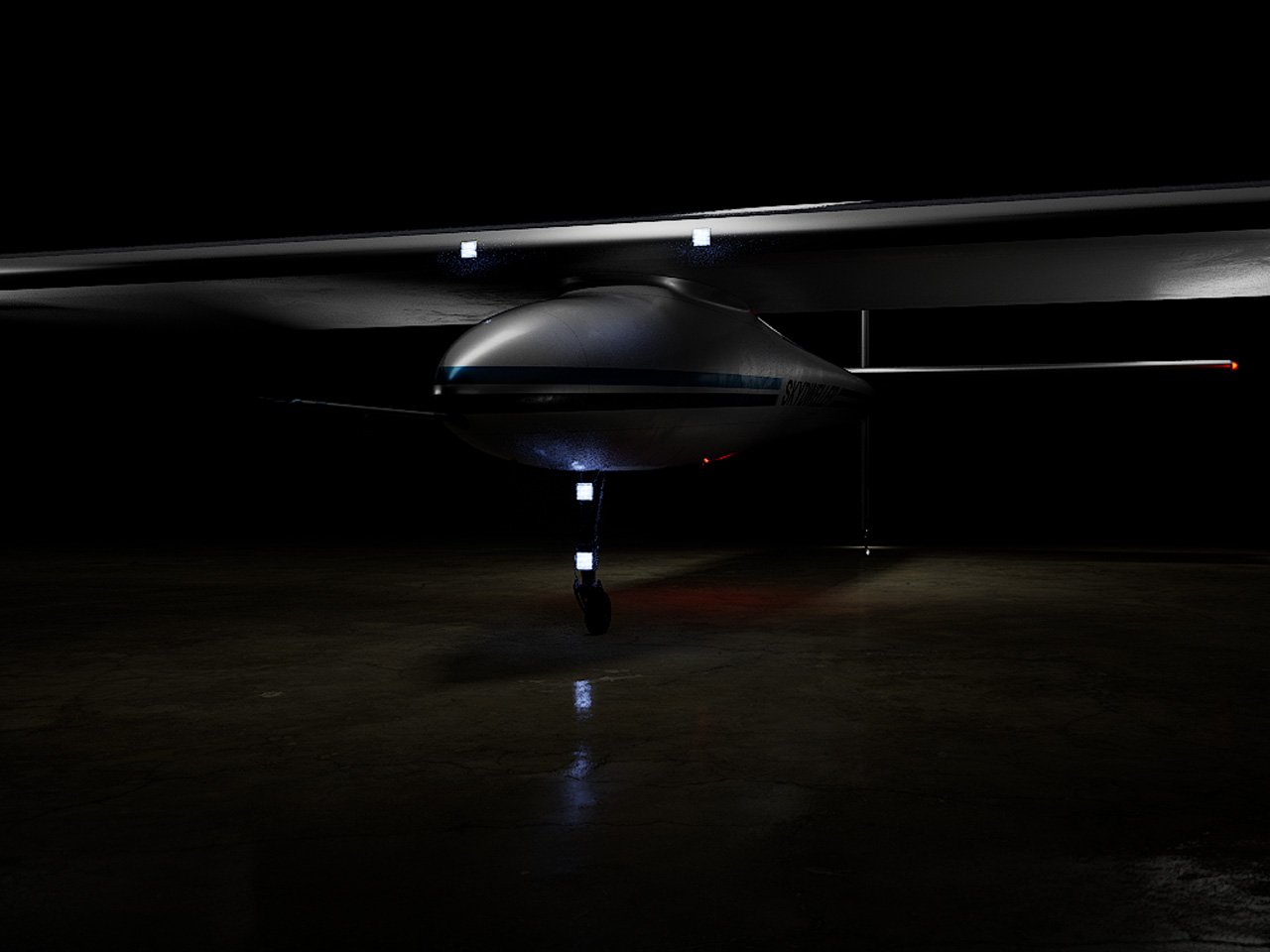
The Skydweller aircraft stands out as one of the largest fully autonomous drones powered entirely by solar energy.
It has been engineered to operate without any alternative energy sources—even during long, uninterrupted flights.
Extensive Surface Area for Solar Panels
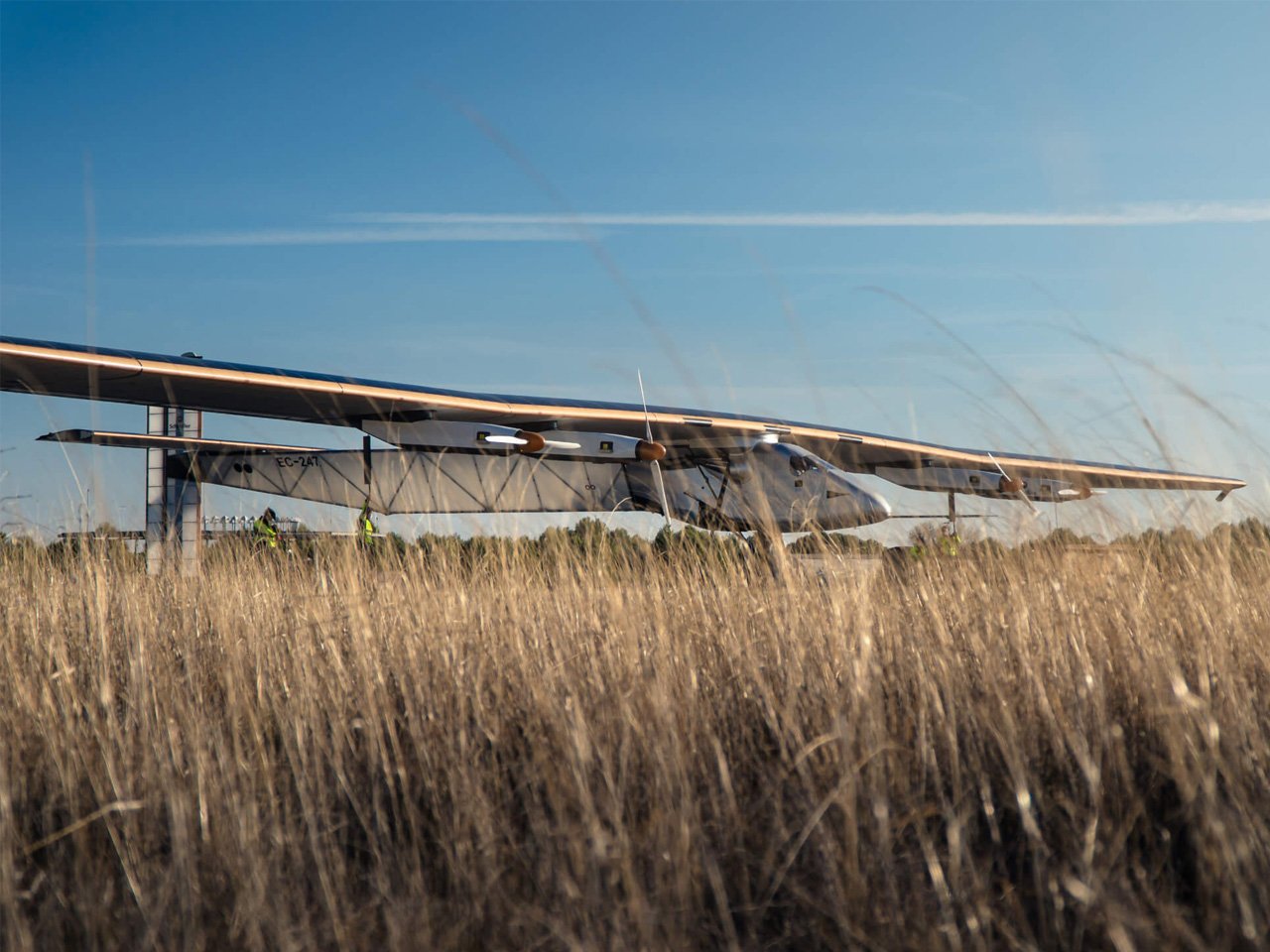
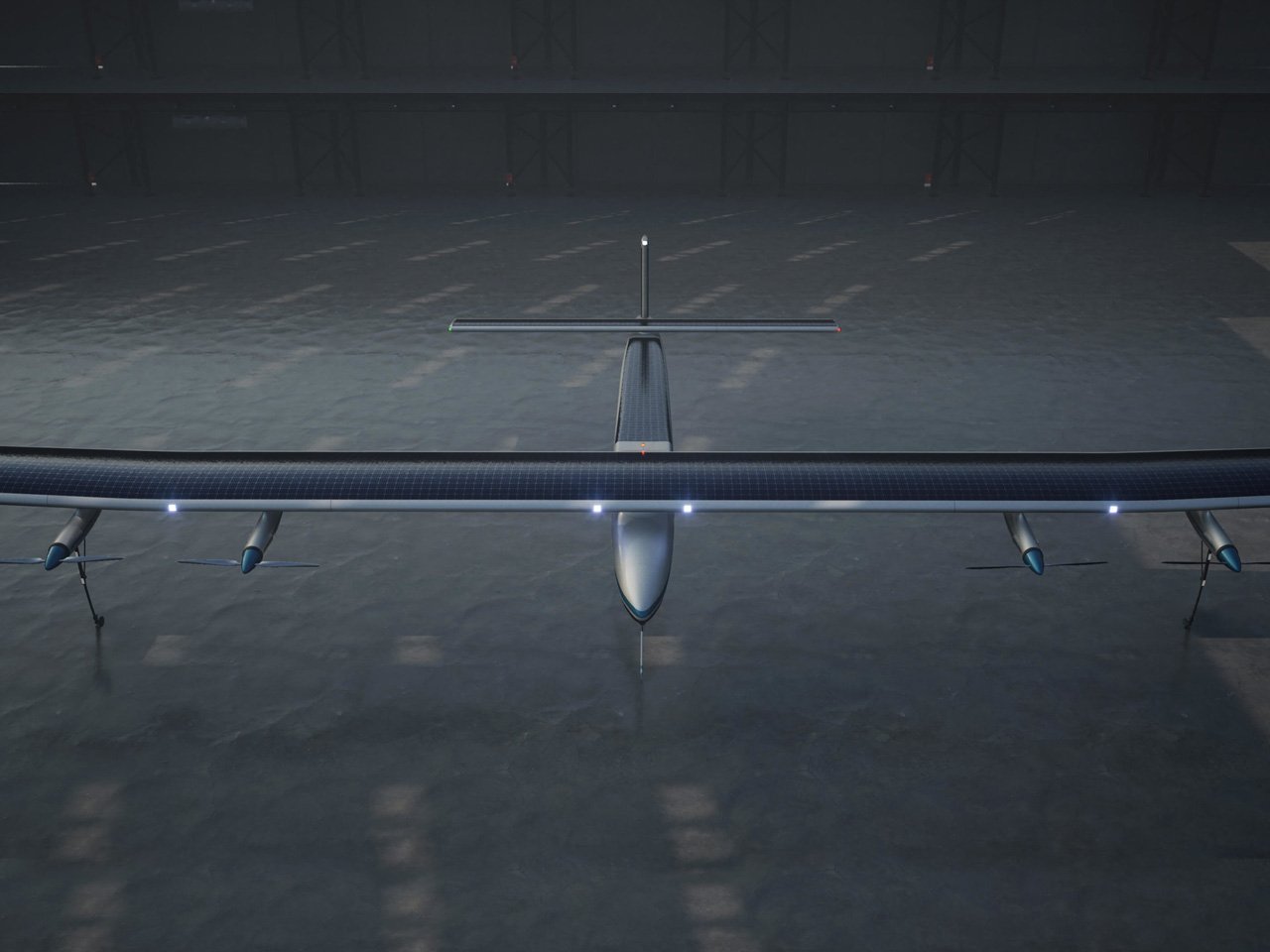
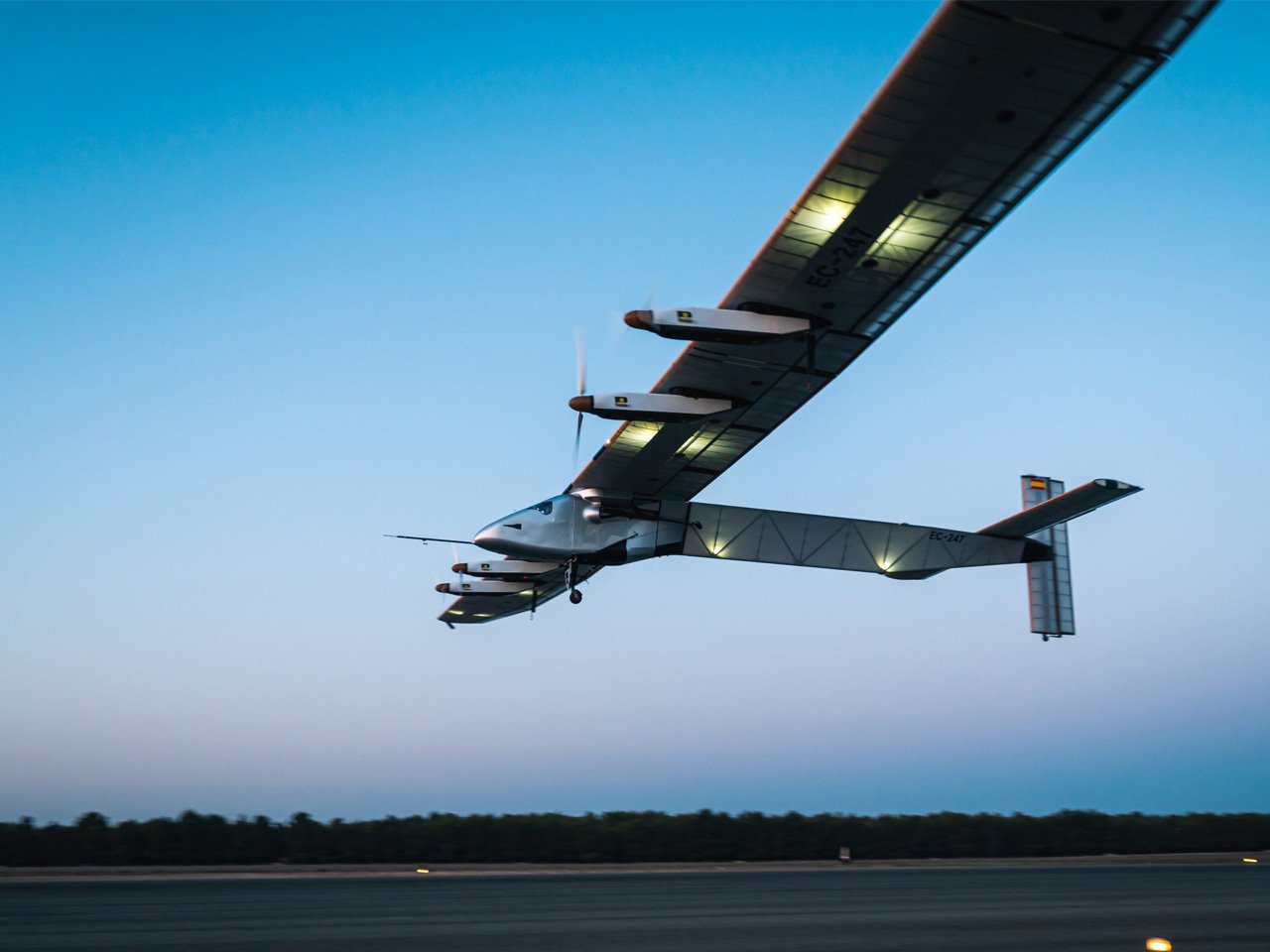
The aircraft is equipped with over 17,000 solar cells spanning its wings, covering a total area of 270 square meters.
This vast surface allows the drone to generate sufficient energy to perform various missions, particularly those involving continuous aerial surveillance.
Energy Generation and Storage Capacity
According to technical sources, the solar cells can generate up to 100 kilowatts of electrical power. This power is stored in heavy onboard batteries weighing over 1,400 pounds (approximately 635 kilograms).
This integrated power generation and storage system is a key component enabling Skydweller to remain airborne for extended periods without the need to land.
Massive Size with Ultra-Lightweight Design
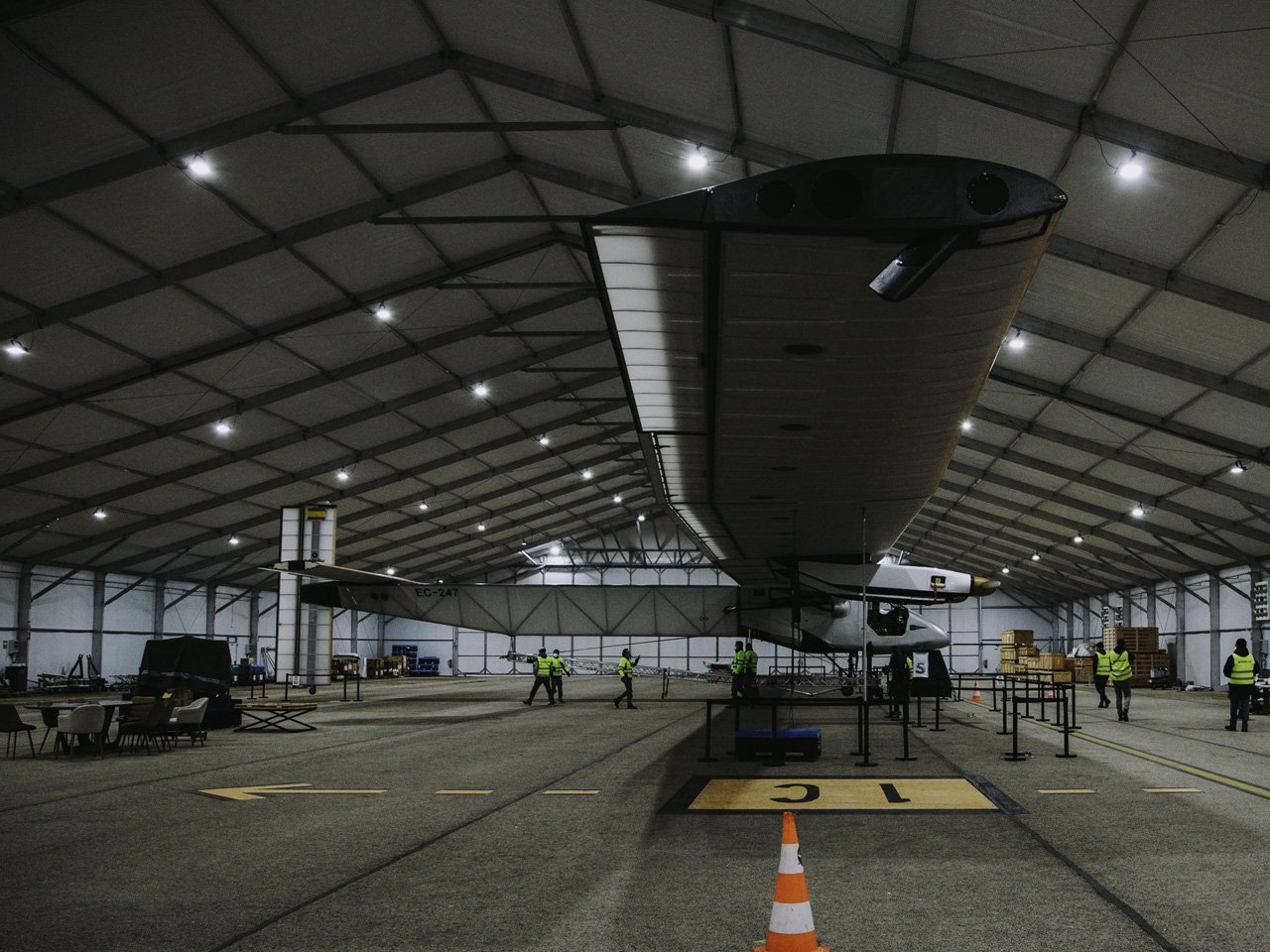
Although it is an unmanned aerial vehicle, Skydweller is by no means small.
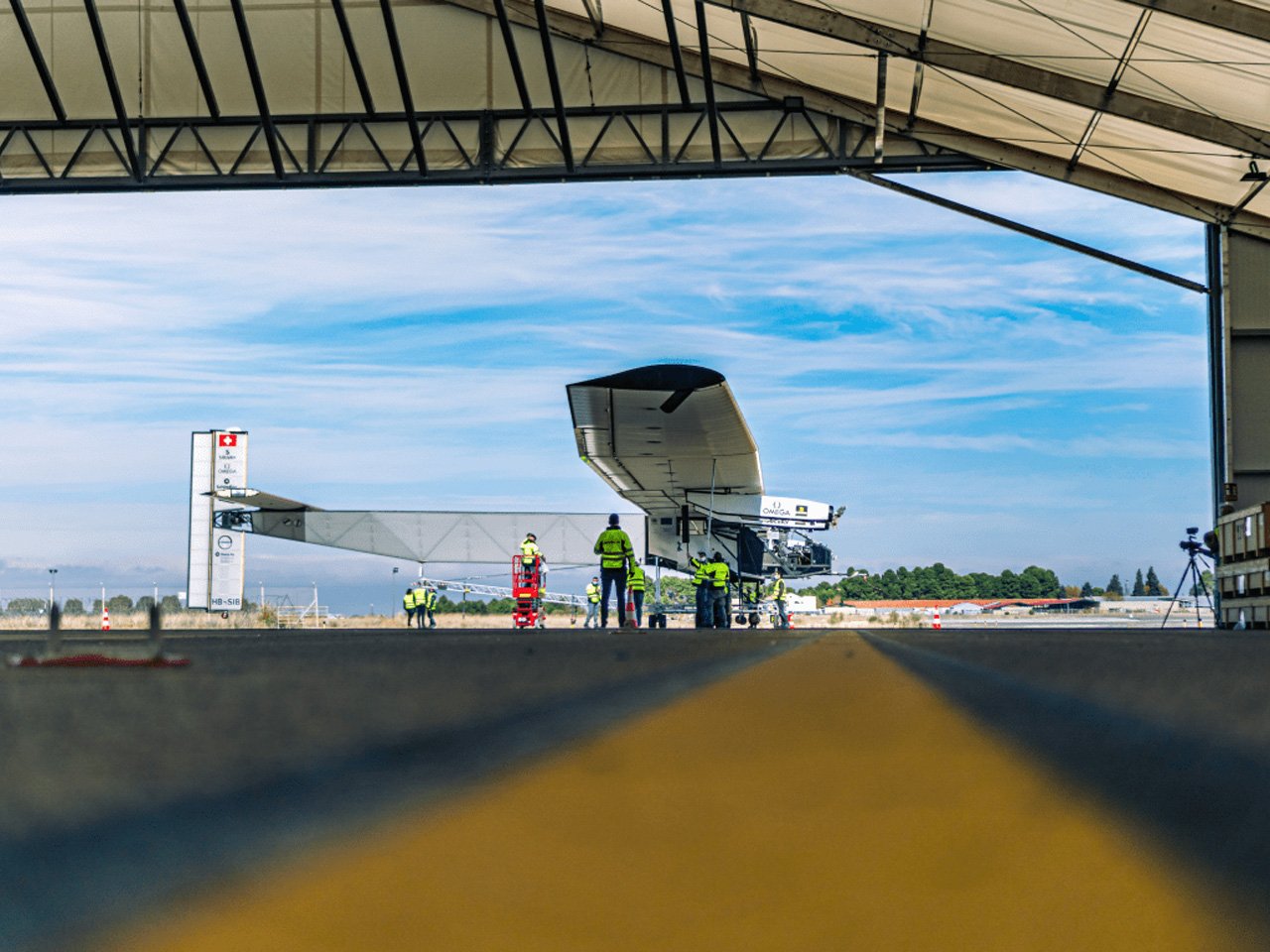
Its wingspan is approximately 236 feet. This is nearly 25 feet longer than that of the iconic Boeing 747, placing it in the category of large aircraft in terms of aerial span.
Lightweight Structure Thanks to Advanced Materials
Despite its large size, the aircraft weighs only 400 pounds.
This unprecedented weight reduction was made possible by relying on carbon fiber as the primary structural material. Carbon fiber offers high structural rigidity while minimizing overall mass.
Strategic Payload Capacity
In addition to its lightweight build, Skydweller can carry a payload of up to 800 pounds during continuous flight.
This makes it suitable for a wide range of missions such as surveillance, communications, or carrying advanced sensors. This enhances its value in both military and civilian applications.
Smart Balance Between Daytime and Nighttime Flight
The Skydweller aircraft operates using a dual mechanism for energy generation and storage.
During daylight hours, it relies on direct solar energy to fully power its systems. Surplus energy is stored in batteries, to be used at night when sunlight is unavailable.
Altitude Adjustment to Optimize Energy Use
To ensure efficient energy consumption, the aircraft flies at high altitudes during the day—ranging between 24,600 and 34,400 feet. This takes advantage of stronger solar radiation in the upper atmosphere.
At night, it descends to altitudes between 4,900 and 9,800 feet to reduce strain on the batteries. This minimizes energy consumption as much as possible.
Flight Endurance vs. Battery Degradation
Estimates suggest that the onboard batteries can keep the aircraft aloft for up to 90 continuous days without needing to land.
However, it is important to note that battery efficiency declines over time. This decline may gradually reduce the number of uninterrupted days the aircraft can stay in the air.
Advanced Control System for Stability and Safety
Although the lifespan of the batteries cannot be fully controlled, the technical design of the Skydweller aircraft compensates for this limitation. It incorporates highly efficient control systems.
The drone is equipped with a safety-certified flight control system featuring four levels of redundancy, along with an intelligent Vehicle Management System (VMS).
Self-Diagnosing In-Flight Malfunctions
This advanced system goes beyond simple monitoring—it possesses autonomous capabilities to detect any anomalies in code or algorithms during flight.
When an error is identified, the system automatically performs pauses, corrections, and reconfigurations without requiring human intervention. This significantly enhances reliability during long-duration missions.
Continuous Flight Without Compromising Safety
According to Skydweller Aero, this complex technical architecture enables the aircraft to achieve unprecedented levels of continuous flight. It maintains the highest standards of safety, reliability, and operational efficiency.
✦ ArchUp Editorial Insight
Although Skydweller represents a remarkable technological achievement in the field of sustainable aviation, there are important considerations to keep in mind.
On the one hand, its lightweight and intelligent design, combined with its advanced safety systems, opens up vast potential for long-endurance missions such as surveillance or communications. These features minimize the need for human intervention.
On the other hand, limited payload capacity, complete reliance on ideal weather conditions, and the challenges related to battery lifespan raise questions about scalability and feasibility. These concerns impact the broader commercial use of this technology.
In short, Skydweller marks a bold first step toward a new era of aviation. However, it still requires extensive real-world testing to prove its practical value on a larger scale.
Explore the Latest Architecture Exhibitions & Conferences
ArchUp offers daily updates on top global exhibitions, conferences, and professional art and design forums.
Follow key competitions, check results, and stay informed through the latest news worldwide.
ArchUp is your encyclopedic hub for discovering events and design-driven opportunities across the globe.


