Smart Cities: The Future of Urban Development


As urbanization accelerates, the concept of smart cities has emerged as a solution to various challenges faced by modern cities. Smart cities utilize technology and data-driven approaches to improve the quality of life for residents while promoting sustainability. This article explores the key features of smart cities and their implications for urban development.
Defining Smart Cities
Smart cities integrate digital technologies into urban infrastructure and services. By leveraging the Internet of Things (IoT), data analytics, and smart governance, these cities aim to optimize resource management and enhance the efficiency of urban services such as transportation, waste management, and energy consumption.
Key Features of Smart Cities
- Connected Infrastructure: Smart cities utilize sensors and connectivity to monitor and manage infrastructure in real time. This includes traffic management systems, waste collection monitoring, and energy usage tracking.
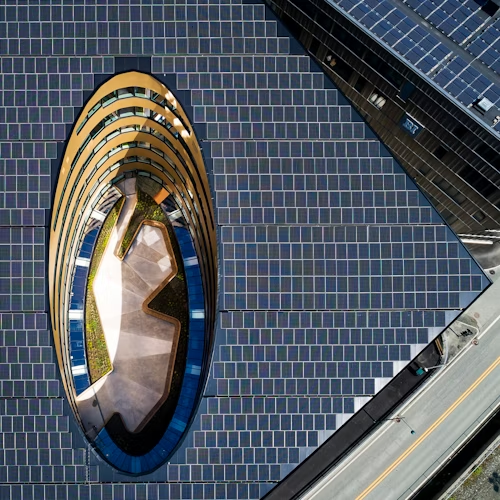
- Sustainable Practices: Emphasizing sustainability, smart cities implement renewable energy sources, green building practices, and efficient public transportation systems to reduce their environmental footprint.
- Citizen Engagement: Smart cities prioritize citizen participation through digital platforms that allow residents to provide feedback, report issues, and engage in decision-making processes.
- Data-Driven Decision Making: By analyzing data collected from various sources, urban planners can make informed decisions that address the needs of the community and enhance overall urban living conditions.
Case Studies of Smart Cities
Examples of successful smart cities include Barcelona and Singapore, which have implemented innovative technologies to improve urban life. These cities have demonstrated how technology can be harnessed to create efficient, livable, and sustainable urban environments.
Finally, find out more on ArchUp: