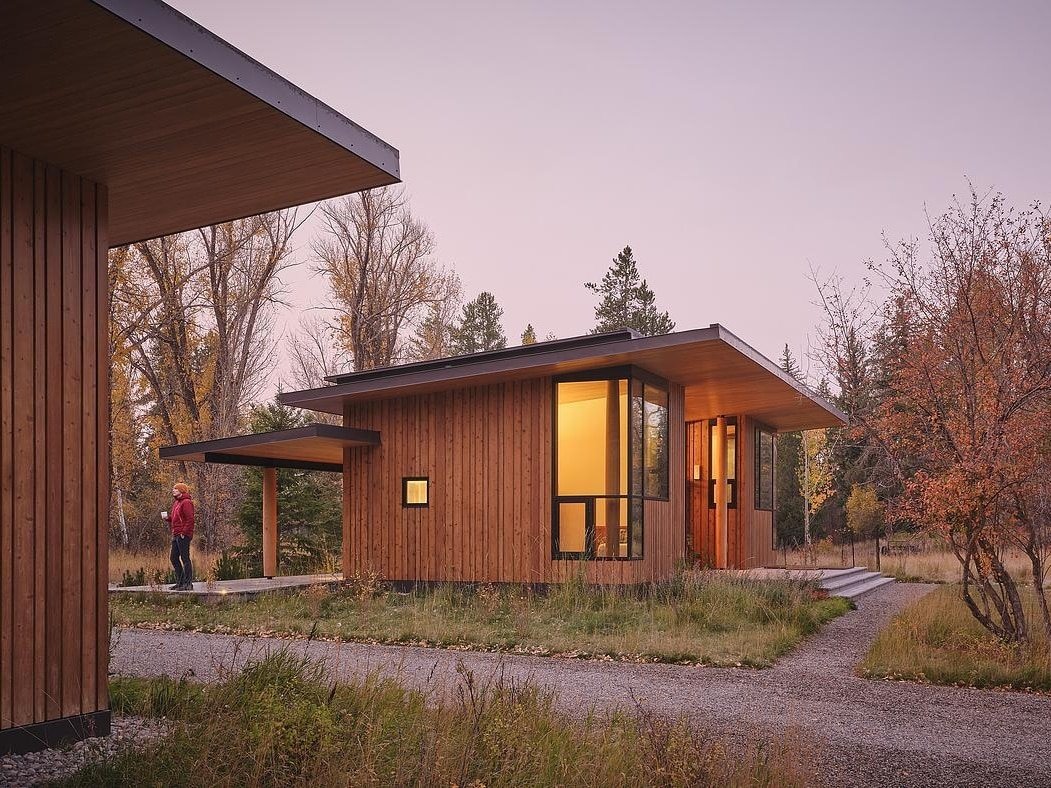
Starling Home: Rethinking Small Spaces for Families

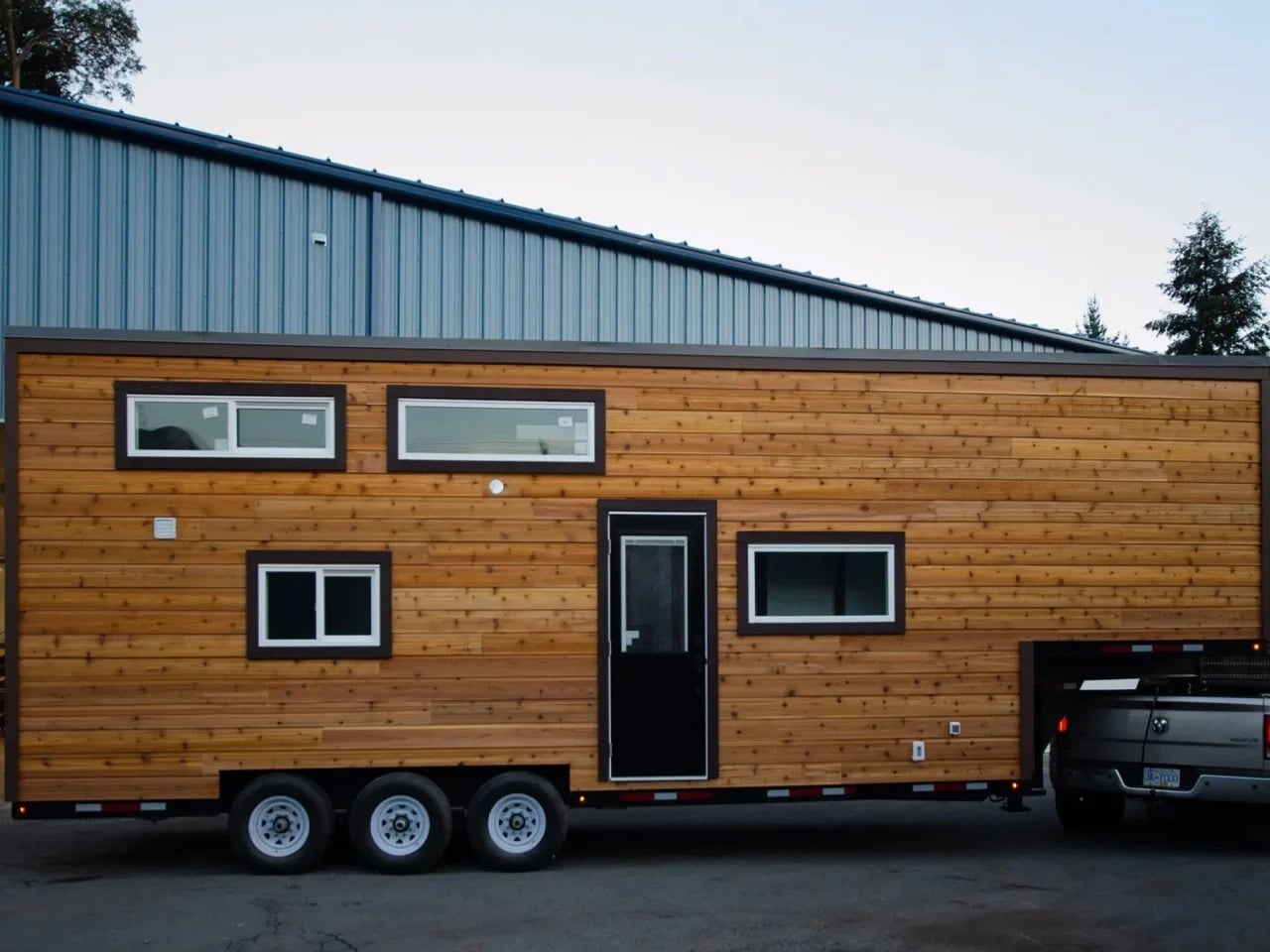
Rethinking Living in Small Spaces
The notion that living in a small space requires significant compromises in comfort or functionality is widespread. However, modern small-home design demonstrates that this is not necessarily the case. A small home can be practical and suitable for a growing family if every element is thoughtfully considered. The core idea here is that the size of a home does not determine quality of life; rather, it is how the interior and exterior design is utilized that makes the difference.
Designing Multi-Functional Spaces
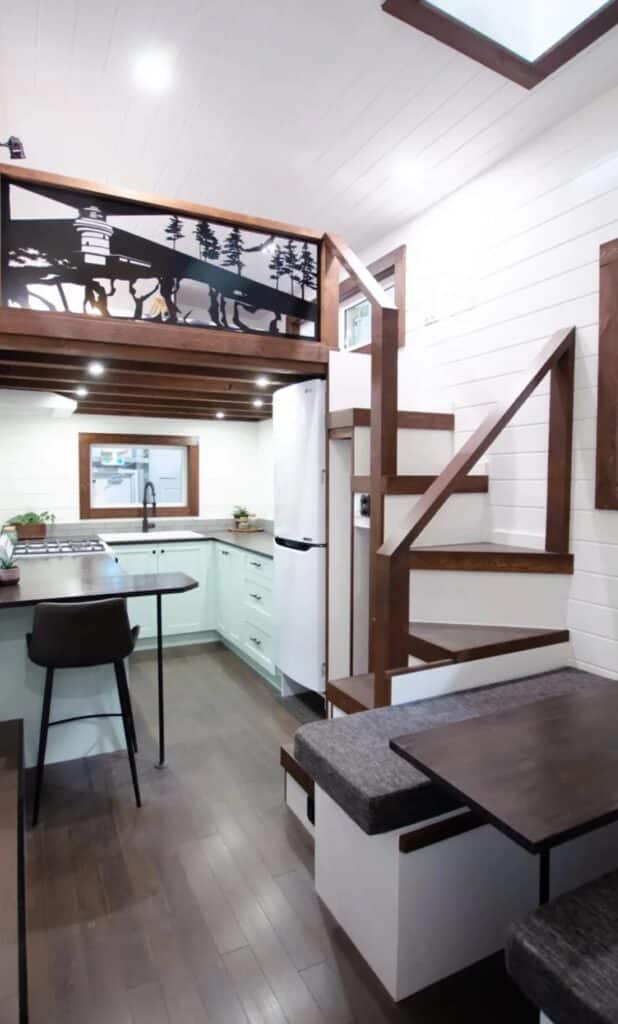
One effective approach to achieving this is through multi-level design and smart spatial separation. For instance, an elevated design at the front of the home creates a sense of openness and allows different areas to be allocated for multiple purposes, such as living, working, and sleeping, without the need for additional expansion. This method provides a sense of privacy and organization within a limited space.
Harmony with the Surrounding Environment
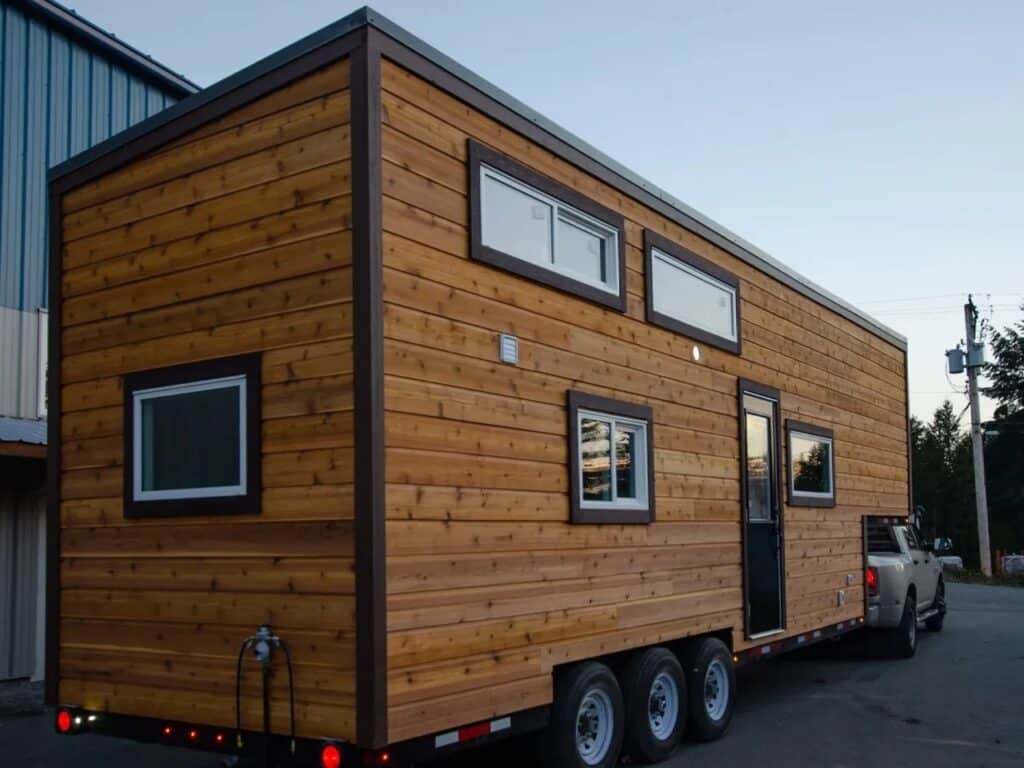
In addition to interior organization, the choice of materials and finishes plays a crucial role in integrating the home with its natural surroundings. Using natural wood and muted colors contributes to a feeling of harmony with the environment, making the home suitable for any location. This strategy reflects a deeper understanding of the relationship between design and context, illustrating how small homes can transcend being merely a “limited solution” to become fully functional living spaces.
Maximizing Interior Spaces
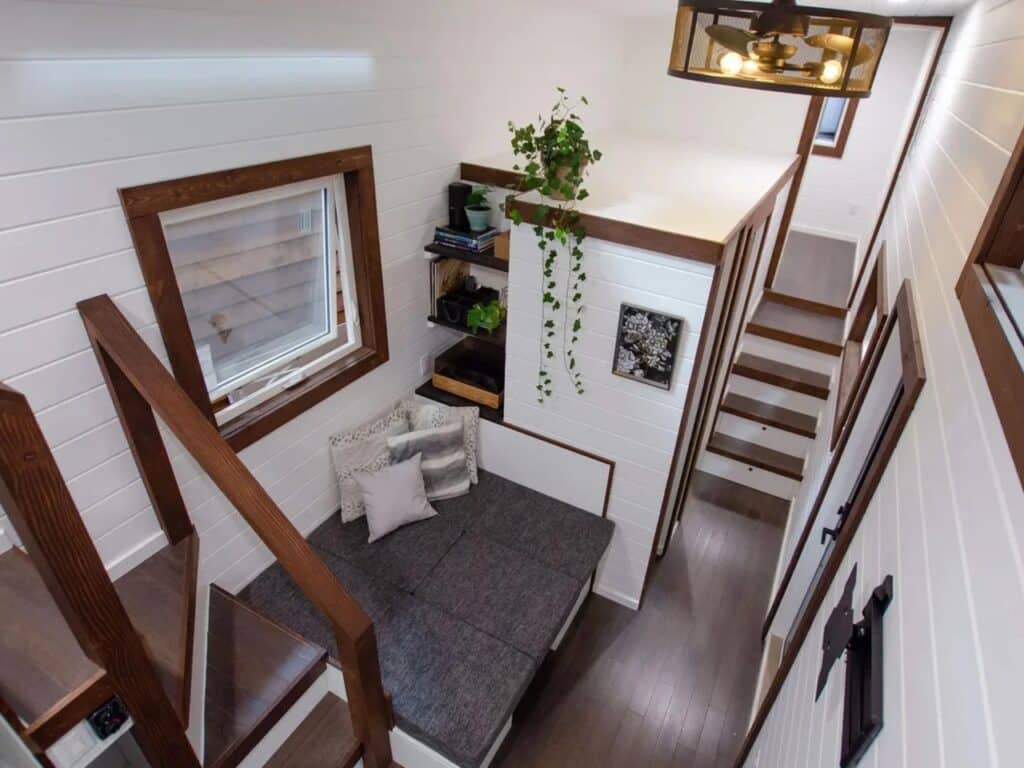
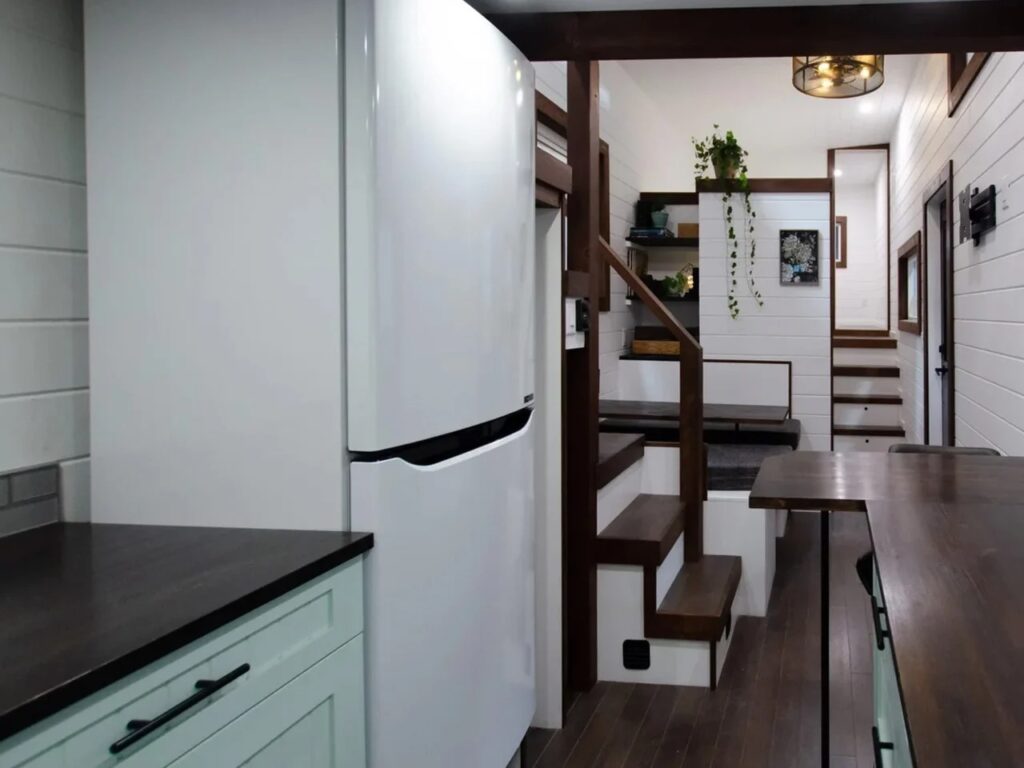
Designing small spaces requires innovative solutions that make every corner work efficiently. For example, a convertible dining area demonstrates how a single element can serve multiple functions. A bench that folds out to become an additional sleeping space highlights the importance of integrating storage within furniture, with each seat placed over a hidden cabinet. These fine details, though they may not always be visible in photos, play a vital role in keeping the home organized and easy to use on a daily basis.
Smart Storage and Efficient Organization
Creativity in storage is not limited to large spaces. Having a corner equipped with deep shelves and a cabinet near the entrance shows how clutter can be controlled and the accumulation of items at entry and exit points can be prevented. This strategy makes small spaces feel larger and more orderly, while reflecting a practical mindset in designing every part of the home to maximize the available area.
A Practical Kitchen in a Limited Space
Even the kitchen, often the busiest area of the home, can be designed to be functional without sacrificing aesthetics. A U-shaped layout with durable countertops and pull-out shelves provides sufficient storage and keeps everything within easy reach. Using high-efficiency appliances illustrates how modern technology can be incorporated into small spaces to achieve full functionality without visual clutter. This type of design is not seen as a temporary fix but as a comprehensive strategy for intelligently utilizing space.

Designing Daily Operations in Small Spaces
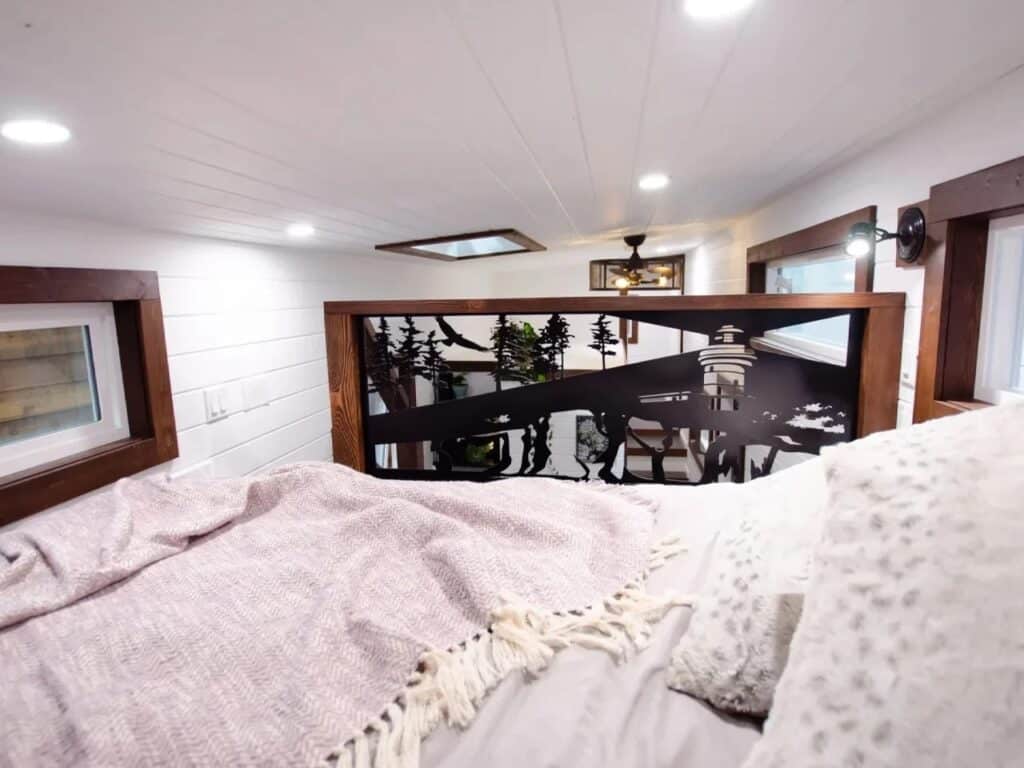
Utilizing vertical space adds a new dimension to living in small homes. Here, the main loft provides a proper bedroom with a double bed and a built-in closet, offering a complete sleeping experience without the need for temporary sleeping surfaces or ladder-accessed bunks. This strategy demonstrates how comfort and functionality can be achieved within a limited area.
Flexibility According to Family Needs
Adding a second enclosed room on the main floor highlights the importance of flexibility in design. This room can easily be transformed into a children’s room, studio, home office, or any temporary function depending on the family’s needs or the season. This type of design makes small spaces adaptable and reflects the ability of smart design to serve diverse lifestyles without requiring physical expansion.
Integrating Safety and Aesthetics in Details
Even safety elements, such as railings, can serve a dual purpose: providing protection when using the stairs while acting as a striking design feature that adds artistic character to the space. These fine details, which may seem simple, distinguish carefully designed small homes from those organized solely for functional purposes.
Rethinking Life in Small Spaces
The most important lesson is that small homes do not reduce quality of life, they reorganize it in a more efficient and intelligent way. By leveraging vertical space, flexible design, and practical yet aesthetic details, a limited area can be transformed into a functional and comfortable home that meets the needs of a growing family without sacrificing comfort or style.


✦ ArchUp Editorial Insight
The Starling project emerges as the result of spatial optimization driven by the allocation of capital toward high-yield residential units within constrained urban land markets. Urban use limits and three-axle trailer mobility regulations imposed a vertical configuration and a modular programmatic solution, while labor cost pressures and prefabrication schedules constrained options for interior spaces. These spatial outcomes arise from the integration of storage, convertible-use units, and an internal gradation that maximizes the utility of every square foot.
End-user units coexist with carefully distributed private and flexible spaces, while volumetric manipulation preserves a sense of openness without actual expansion. Material and finish choices serve as indicators of compliance and risk reduction, pointing to maintenance standardization rather than an aesthetic intent. The final configuration reflects architecture as a logical outcome of capital, policy, and operational constraints, rather than as an expression of an individual designer’s vision.