LEGO Harry Potter minifigures of Hermione, Harry, and Ron in Hogwarts uniforms holding wands against a dark blue backdrop. Structural stabilization is implied in their fixed poses for display purposes.

Structural Stabilization in LEGO Harry Potter Land Germany


Home » News » Structural Stabilization in LEGO Harry Potter Land Germany

Structural stabilization sets the engineering foundation for LEGOLAND Deutschland’s new LEGO Harry Potter themed area in Günzburg, Germany. The project includes the first Harry Potter hotel inside a LEGOLAND resort. Merlin Entertainments, Warner Bros. Discovery Global Experiences, and the LEGO Group jointly lead the development. Teams will build fully interactive environments using only LEGO bricks, following modern construction safety codes.
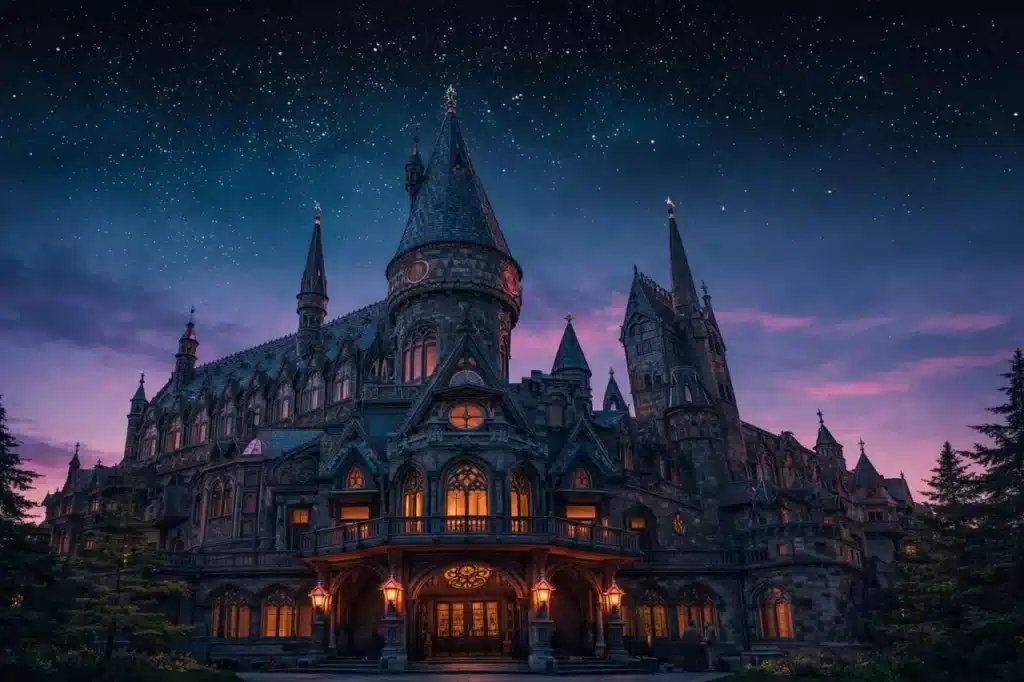
A grand Gothic-style castle illuminated at dusk under a starry sky, featuring pointed spires and arched windows. Structural stabilization is implied in its massive stone construction and symmetrical design.
This rendering depicts a fantasy castle with Gothic architectural elements, designed to evoke the magical atmosphere of Hogwarts. Its scale and symmetry suggest engineered load distribution typical of monumental masonry structures. (Image © Warner Bros. Discovery Global Experiences)

LEGO-Based Themed Entertainment Zone

The new zone will take over part of the existing resort. It will feature LEGO versions of Hogwarts™ and nearby settings. Designers will use thousands of colored plastic bricks. Ride specifics remain undisclosed. They prioritize unconventional building materials while guaranteeing structural stabilization in all guest facing structures. This aligns with global research on safety in recreational infrastructure.

Immersive Hotel Experience

The hotel will reference Hogwarts houses and key scenes from the series. Design teams will apply interior design strategies to shape playful, abstract spaces. Every fixed or movable element must meet basic structural stabilization standards. They will achieve this without complex engineering.
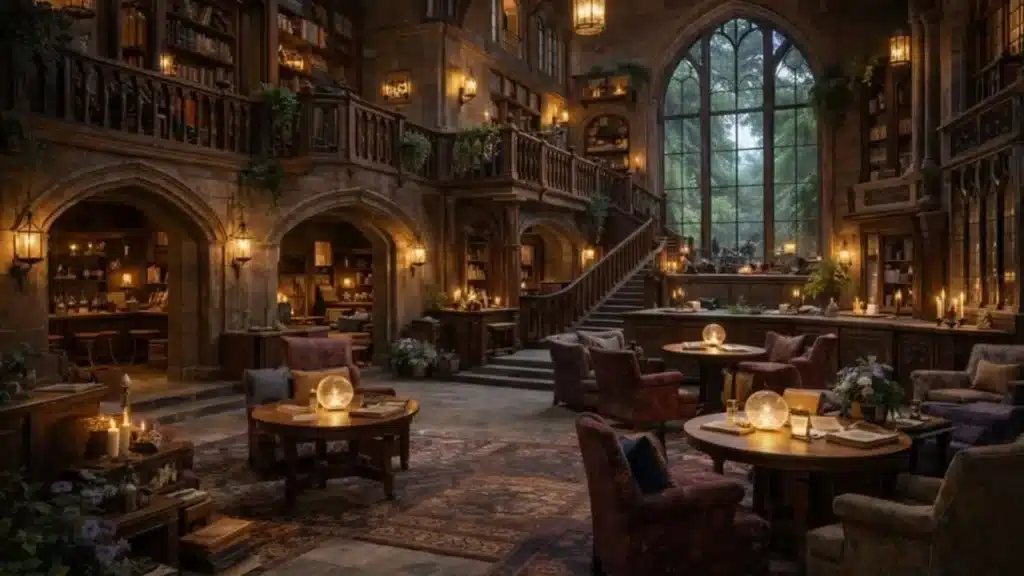
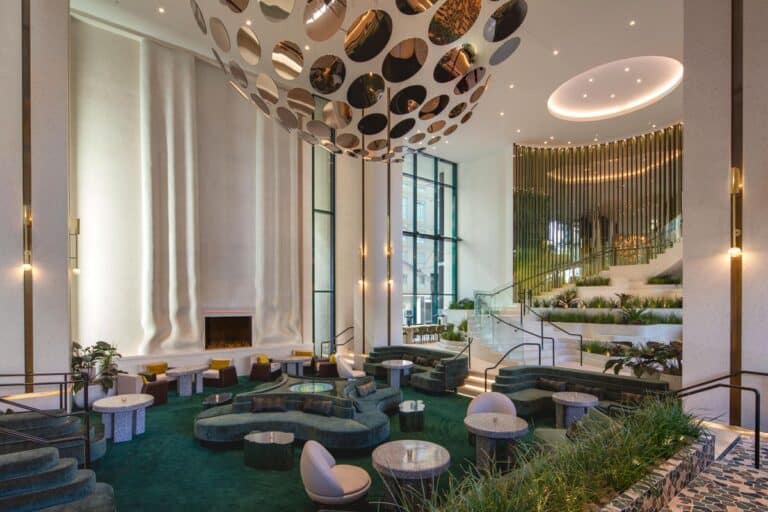
A grand, multi-level interior space with stone arches, wooden balconies, and warm ambient lighting. Structural stabilization is evident in the load-bearing walls and symmetrical staircases.
This rendering illustrates a proposed lobby design for the new Harry Potter themed hotel at LEGOLAND Germany, blending Gothic architecture with cozy lounge elements. The spatial hierarchy and material choices reflect an emphasis on immersive narrative over structural innovation. (Image © Warner Bros. Discovery Global Experiences)

Strategic Expansion for Visitors

The mix of day visits and overnight stays targets European families. It mirrors wider shifts in cities and urban planning that embed narrative into public space. Similar approaches appear in the global archive of themed entertainment. These projects confirm that structural stabilization stays essential even in lightweight, high traffic fantasy installations.

Architectural Snapshot: The project reinterprets fictional settings through non traditional materials in a real world context, maintaining consistent structural stabilization across all operational phases.
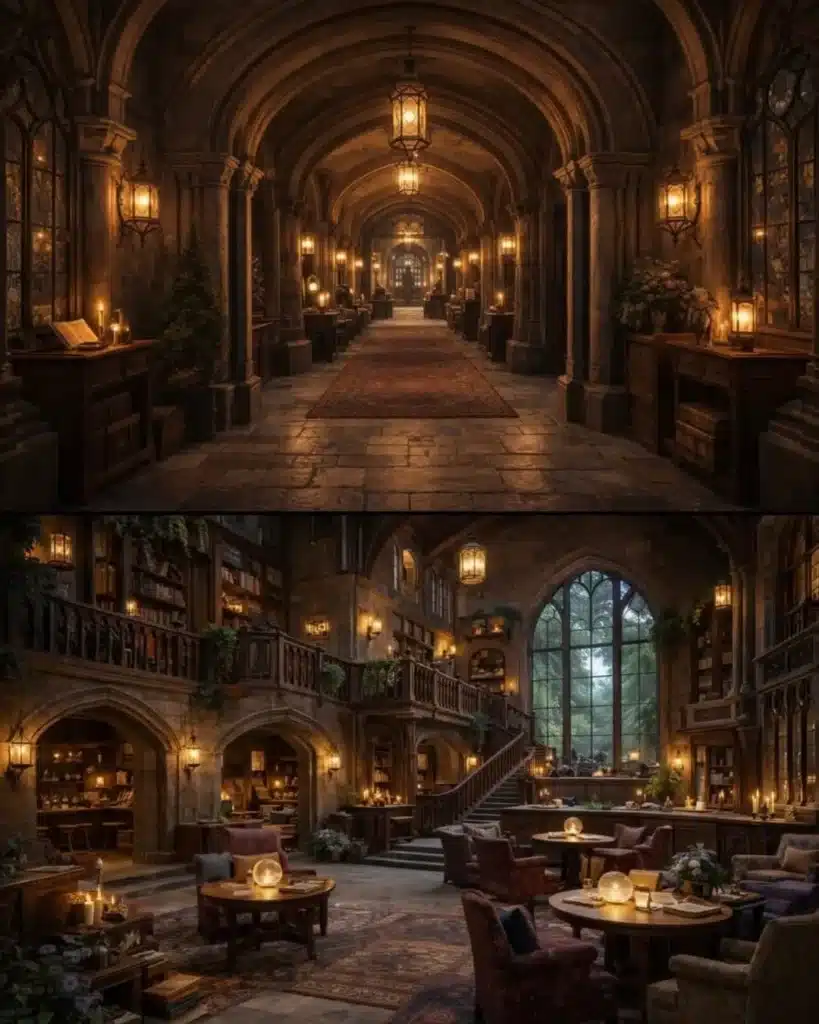
A grand stone corridor with arched ceilings and warm lantern lighting, leading to a distant doorway. Structural stabilization is implied in the massive load-bearing columns and symmetrical vaulted structure.
This composite image presents two conceptual interior views for the upcoming Harry Potter themed hotel at LEGOLAND Germany: a long ceremonial corridor and a multi level library lounge. The design emphasizes atmospheric storytelling over structural innovation, using Gothic arches and ambient lighting to evoke a magical setting. (Image © Warner Bros. Discovery Global Experiences)

✦ ArchUp Editorial Insight

The announcement frames a commercial entertainment expansion as an architectural endeavor, stretching the relevance of structural stabilization beyond its technical domain into branding narrative. While LEGO’s modular plastic construction hardly demands conventional engineering rigor, the repeated invocation of attempts to lend architectural legitimacy to a themed leisure project. The piece avoids naming designers or firms an editorial strength but leans on institutional partnerships to imply credibility. Still, it correctly notes the growing trend of embedding narrative into public spaces, even if the execution remains rooted in consumer experience rather than spatial innovation. Such projects may dominate short term tourism agendas but offer little to the long term discourse on urban form or material integrity.

Further Reading From ArchUp

  • Hidden Objects: why are smart gadgets so obvious?

    Why should smart gadgets be so obvious?SF-SO’s Hidden Objects propose ways in which everyday items can be naturally hidden and blend in with the surrounding environment. “Companies desire to make newly released products stand out [is leading] to unnecessary decorations and shapes during design,” says SF-SO. “In the end, this is also the reason why people

  • California Built Up By Artistree with a Telescopic Treehouse

    In Sonoma County, California, an elevated treehouse featuring vaulted ceilings was designed by American company…

  • Koto’s garden cabin features a carbon-capturing exterior

    Carbon dioxide is captured in the charred timber fabric of the building and actively removed from the atmosphere.The london-based architectural and design studio Koto has partnered with garden designer Tony Woods from Garden Club London to create a tranquil and sensory indoor and outdoor space to relax and unwind at the 2022 RHS Chelsea Flower

Leave a Reply

Your email address will not be published. Required fields are marked *