Sustainable Living: Eco-Friendly Design Tips for a Greener Home

Introduction
As environmental concerns continue to rise, sustainable living has become a priority for many homeowners. Eco-friendly design not only reduces your carbon footprint but also enhances the overall quality of your living space. This article shares practical tips for creating a greener home through thoughtful design choices.
1. Use Sustainable Materials
Choosing sustainable materials is a foundational step in eco-friendly design. Opt for products made from recycled, reclaimed, or rapidly renewable resources. Bamboo flooring, recycled glass countertops, and reclaimed wood furniture are excellent options that minimize environmental impact while providing unique aesthetic qualities.
2. Energy Efficiency
Incorporating energy-efficient features into your home can significantly reduce energy consumption. Install Energy Star-rated appliances, LED lighting, and high-efficiency HVAC systems to lower utility bills and environmental impact. Additionally, consider using smart home technology to monitor and control energy use more effectively.
3. Water Conservation
Water conservation is crucial for sustainable living. Implementing low-flow fixtures, rainwater harvesting systems, and drought-resistant landscaping can significantly reduce water usage. Consider creating a greywater system to reuse water from sinks and showers for irrigation, maximizing efficiency without sacrificing comfort.
4. Optimize Natural Light
Maximizing natural light not only enhances the aesthetic appeal of your home but also reduces reliance on artificial lighting. Design your space with large windows, skylights, and open floor plans to allow sunlight to flood in. Consider using light-colored walls and reflective surfaces to enhance the distribution of natural light throughout your home.
5. Indoor Air Quality
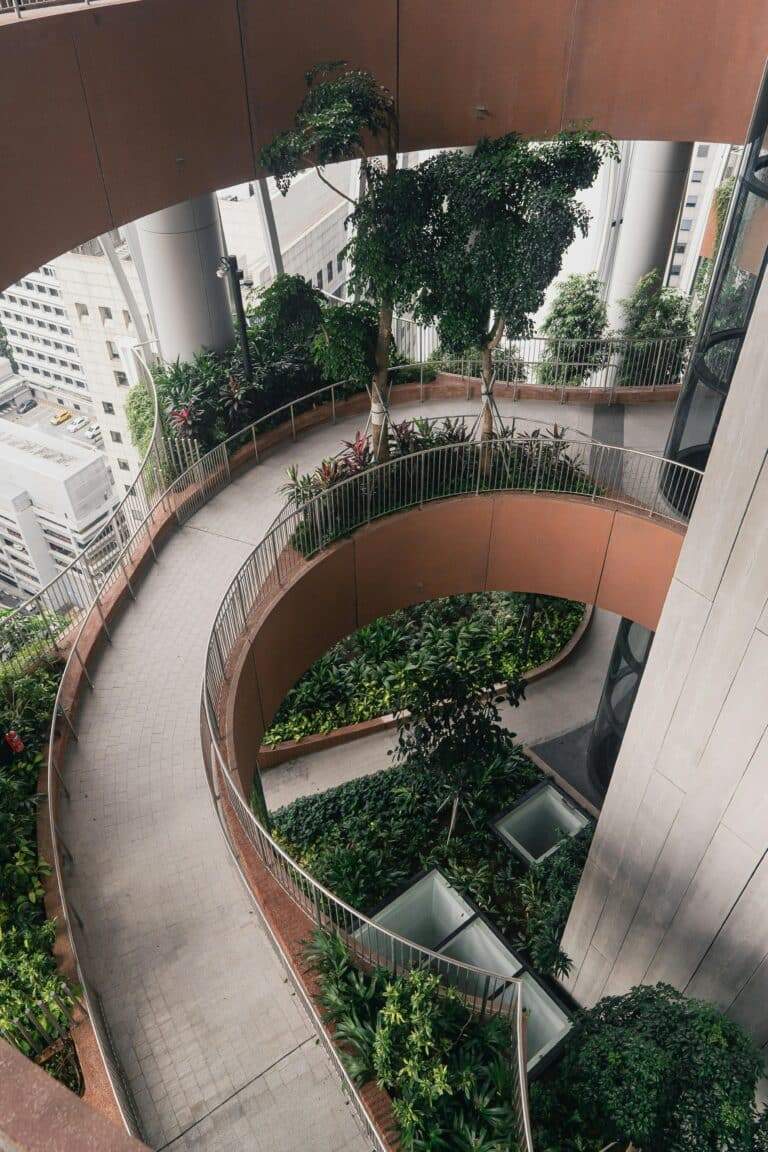
Maintaining good indoor air quality is essential for a healthy home environment. Choose low-VOC (volatile organic compounds) paints, finishes, and materials to reduce harmful emissions. Incorporating plants into your design can also improve air quality, providing natural filtration and enhancing the overall atmosphere of your space.
Conclusion
Creating a sustainable home requires a commitment to eco-friendly design principles. By choosing sustainable materials, incorporating energy-efficient features, conserving water, optimizing natural light, and ensuring good indoor air quality, homeowners can contribute to a greener planet while enjoying a beautiful living environment. Embracing these design tips is a step toward a more sustainable future.
Finally, find out more on ArchUp: