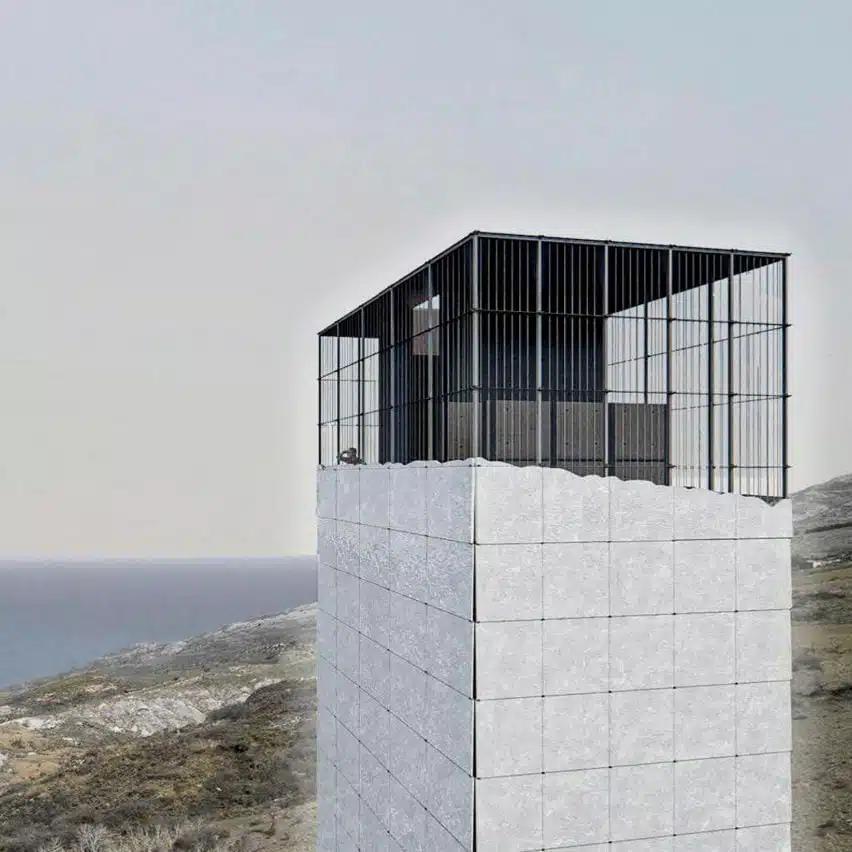
The TEUM Pavilion Project: Redefining the Connection Between Living Spaces and the External Environment

Neural Stimulation in Everyday Life
In the modern era, individuals are continuously exposed to a wide range of sensory and media stimuli, which has influenced the way they respond to the surrounding world. Some researchers suggest that this state can be likened to what is known as “popcorn brains,” referring to brains that are constantly seeking stronger and more immediate experiences to satisfy attention and the need for stimulation.
The Role of Spatial Design in Restoring Real Sensory Perception
In this context, the importance of exploring how changes in interior design affect the daily human experience becomes evident. Modifications in living spaces, for example, can play a role in addressing sensory numbness by creating environments that encourage focus and calm interaction with the surroundings, rather than constantly relying on strong external stimuli.

The Historical Relationship Between Interior and Exterior
In the past, traditional modular rooms, such as the so-called “Daechong” in Korean culture, served as a means of sensory connection with the external environment. Through these spaces, inhabitants could directly experience seasonal changes and weather conditions, which contributed to enhancing their awareness of time and the surrounding nature.
The Impact of Modern Insulation on Sensory Perception
With technological advancements and the adoption of airtight insulation systems, the boundary between interior and exterior has become more pronounced. This separation has affected individuals’ daily experiences, reducing opportunities for direct interaction with the natural environment, which may lead to a form of sensory isolation and a greater reliance on artificial stimuli within enclosed spaces.


Bringing the External Environment into Interior Spaces
In response to the challenges arising from the separation between interior and exterior, the concept of creating a “gap” within the living space emerges as a means to reintegrate elements of the external environment. This gap aims to transform the living room into an expandable and adaptable space, allowing inhabitants to interact with natural stimuli in a conscious and sensory manner.
Activating the Senses Through Diverse Stimuli
By incorporating multiple external influences, such as natural light, environmental sounds, and subtle changes in temperature or humidity, the design seeks to awaken new senses in individuals. This experience provides a different perspective and breaks the overreliance on internal digital stimuli, restoring a person’s sense of connection with the surrounding environment and enhancing sensory awareness.


The Gap as a Medium for a Multi-Sensory Experience
The gap is considered a pivotal element in reintroducing aspects of nature into interior spaces. The breeze that flows through openings in the ceiling and walls fills the room with gentle air movement, enhancing the sense of warmth and comfort. At the same time, the changing play of light throughout the day adds a renewed visual dimension, giving the space natural variety and rhythm.
Sensory Integration of Nature and Interior
The experience is not limited to sight and touch but also engages hearing and smell. Filtered external sounds through the openings contribute to a sense of vitality, while the natural texture of the flooring provides a warm and soft sensation when walking barefoot. Crushed stone and exposed plants further create a visual flow that connects the interior with the exterior environment. Additionally, natural scents wafting through the openings add an organic, uncontrived sense.
The Living Room as a Lively Space
Through this multi-sensory integration, the living room transforms from a mere place of residence into a vibrant space that offers an interactive and comprehensive experience, restoring the human connection with the natural environment and reviving sensory awareness of everyday life.


Exploring the Interior Space Through Walls
Upon entering the space, the visitor encounters a window on the south wall that serves to draw natural light inside, imparting vitality and a dynamic rhythm to the room. On the opposite side, the north wall provides a seating and interaction area, where visitors can visually engage with the external environment in a conscious and calm manner.
Variety of Sensory Experiences
The east wall offers a suitable area for reading and relaxing on the floor, while the west wall allows visitors to experience movement within the space by exploring the gap between the ceiling and the wall. A long bench is also positioned in the center of the room at a 360-degree angle, giving users the freedom to rotate and experience multiple sensory stimuli.
Redefining the Living Room
This layout, combined with the ability to interact with gaps between walls and ceiling, encourages a rethinking of the traditional living room environment. The space is no longer limited to being merely a place of residence; it transforms into a platform for sensory experience and interaction, enhancing the visitor’s awareness of their relationship with the surrounding environment and how they perceive it.

✦ ArchUp Editorial Insight
The TEUM Pavilion project can be seen as a clear attempt to rethink the experience of interior spaces and connect them with the external environment, offering some exciting opportunities from a design perspective, such as stimulating the senses and diversifying the sensory experience within the living room. However, there remain several considerations that must be taken into account. Relying on openings and walls that interact with nature may face practical challenges, such as controlling light and temperature throughout the day or requiring ongoing maintenance of the natural materials used. Additionally, the multi-sensory experience, despite its theoretical importance, may not be widely applicable in crowded urban environments or small spaces, where architectural constraints and modern technologies may reduce the effectiveness of this approach.
On the other hand, the project can serve as a source of inspiration in interior architecture and interactive design, particularly regarding the introduction of natural elements to stimulate sensory perception and rethink the relationship between humans and their immediate surroundings. The concept can also be further developed to become more flexible and adaptable to different conditions, with a focus on balancing theoretical aspects with practical considerations in design.