

The Cabana: Bringing Tiny Homes Back to Their Simple Essence

Back to the Essence of Tiny Homes
In recent years, the tiny house trend has spread worldwide. It is often associated with glamorous features such as marble countertops or smart appliances. Yet amid this wave, a model emerges. It brings us back to the original idea of the tiny house movement: living simply and practically.
Compact Design with Wide Potential
The Cabana model offers a fresh perspective on small living. Despite its modest size of just 20 feet, it opens up surprising possibilities for space utilization. This concept highlights how smart design can meet essential needs without excessive decorative details.
Wood Construction as an Authentic Choice
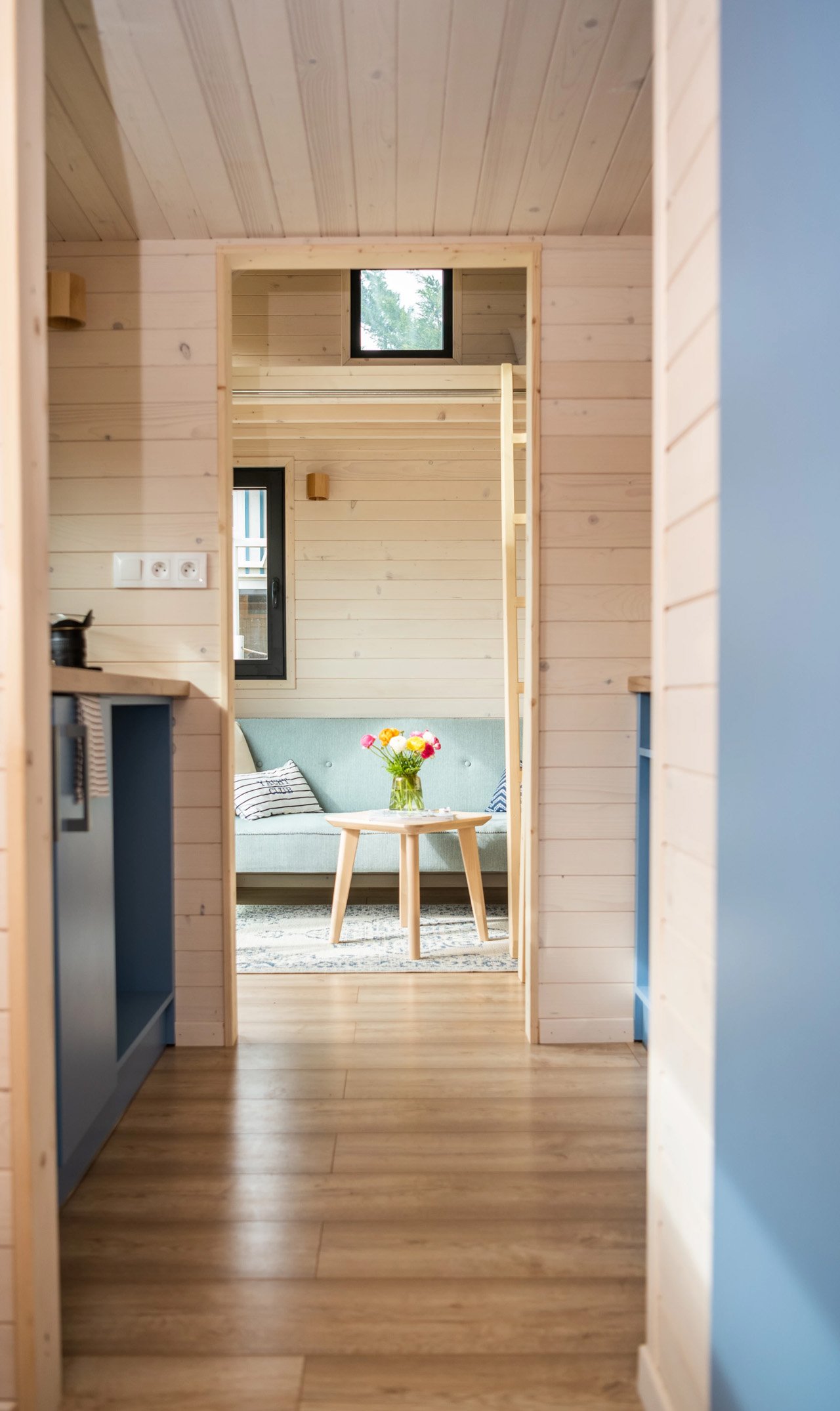
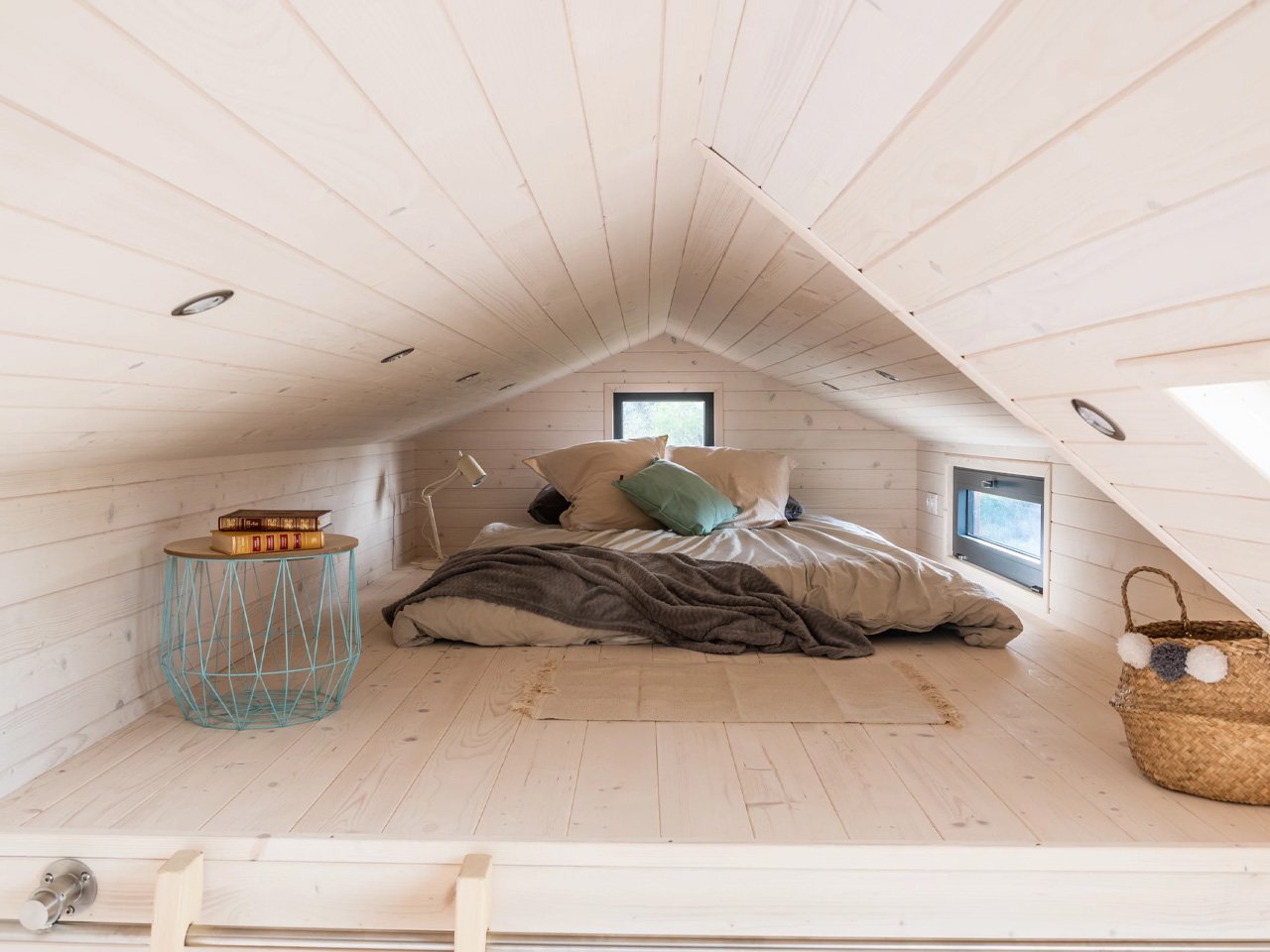
One of the model’s most striking features is its reliance on responsibly sourced wood, giving it a genuinely rustic character. Instead of imitating natural vibes with synthetic materials like vinyl, the wooden structure evokes the simple charm of a cabin. This is closely tied to childhood memories and dreams.
A Philosophy Beyond Trends
This model doesn’t chase fast-changing fashions; it focuses instead on practical logic and real housing needs. That is where its true value lies. It reminds us that tiny homes were never meant to be just an aesthetic showpiece on social media. They are rather a real solution for sustainable, simple living.
Practical Space and the Importance of Vertical Design
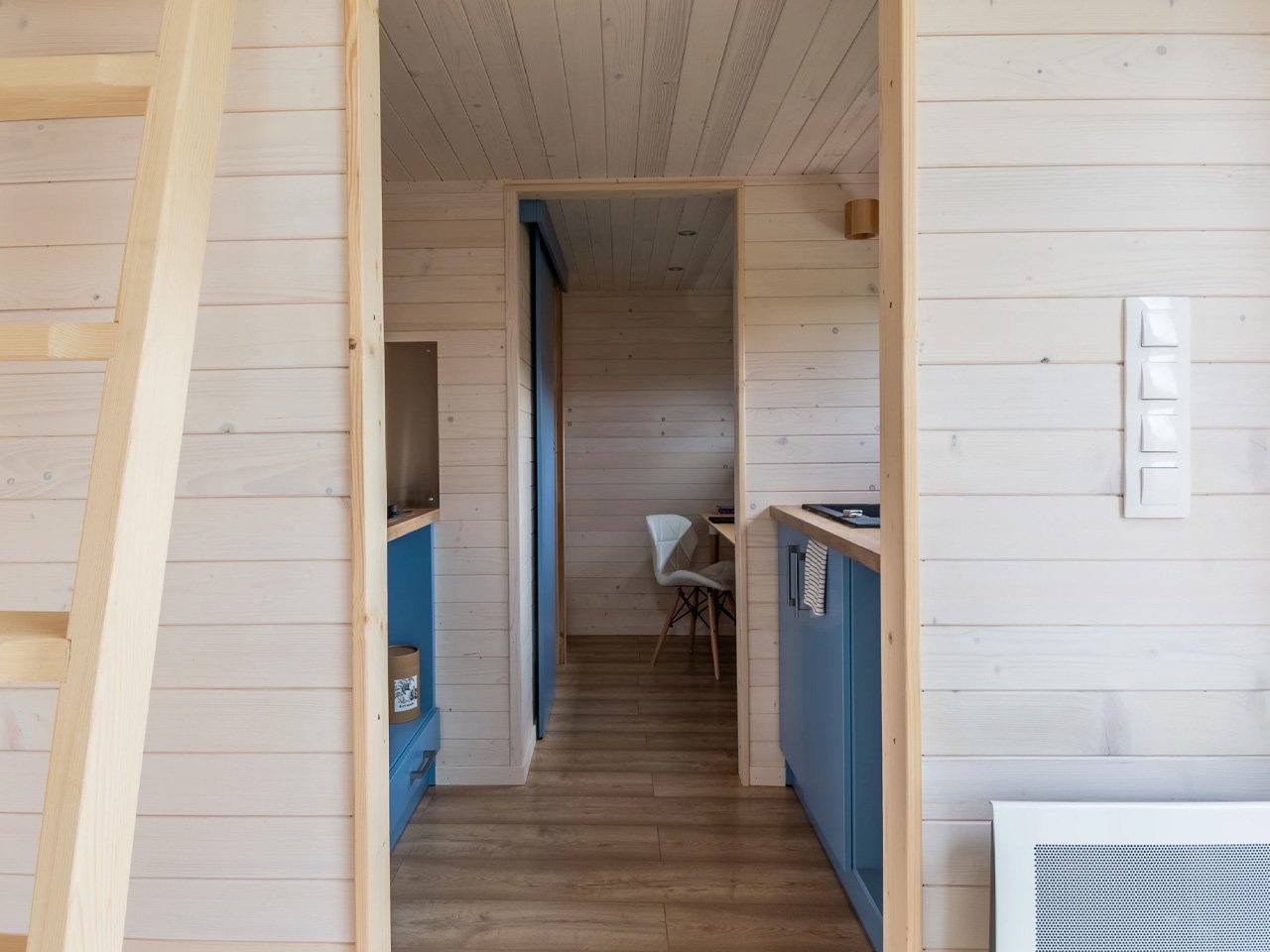
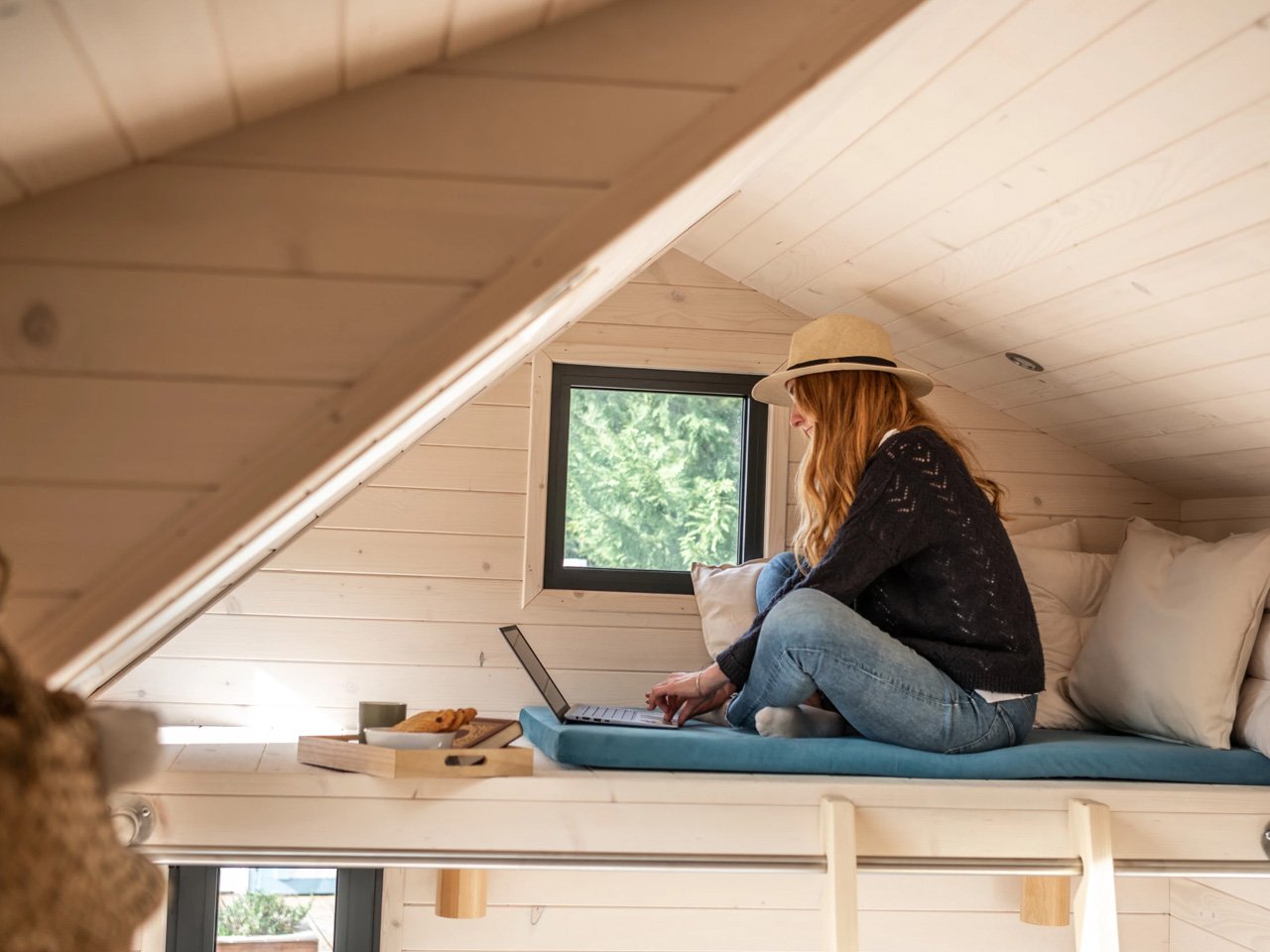
Although the total area is just 24 square meters, the use of vertical design significantly expands the possibilities. With two mezzanine levels providing an additional 10.57 square meters for sleeping space, and the main floor covering 13.46 square meters, the home can comfortably accommodate up to four people without feeling cramped.
Multi-Purpose Use in Compact Spaces
Among the thoughtful details is a small 3.06-square-meter room that can easily be transformed into a home office, an extra bedroom, or even storage space. This flexibility reflects the core philosophy of tiny homes: adaptability and tailoring to the residents’ needs.
Year-Round Livability
One standout feature is the inclusion of insulation designed for all seasons. This makes the home a practical living option throughout the year, not just a holiday retreat. This reinforces the idea that tiny homes are not a temporary experiment but a genuine alternative to traditional housing.
A Realistic Solution for New Lifestyles
This model emerges as an appealing choice for two key groups:
- Remote workers seeking stability away from the pressures and high costs of urban life.
- Small families wanting to embrace a simpler, more sustainable lifestyle without sacrificing essential comfort.
Off-Grid Living: A Practical Choice, Not a Luxury
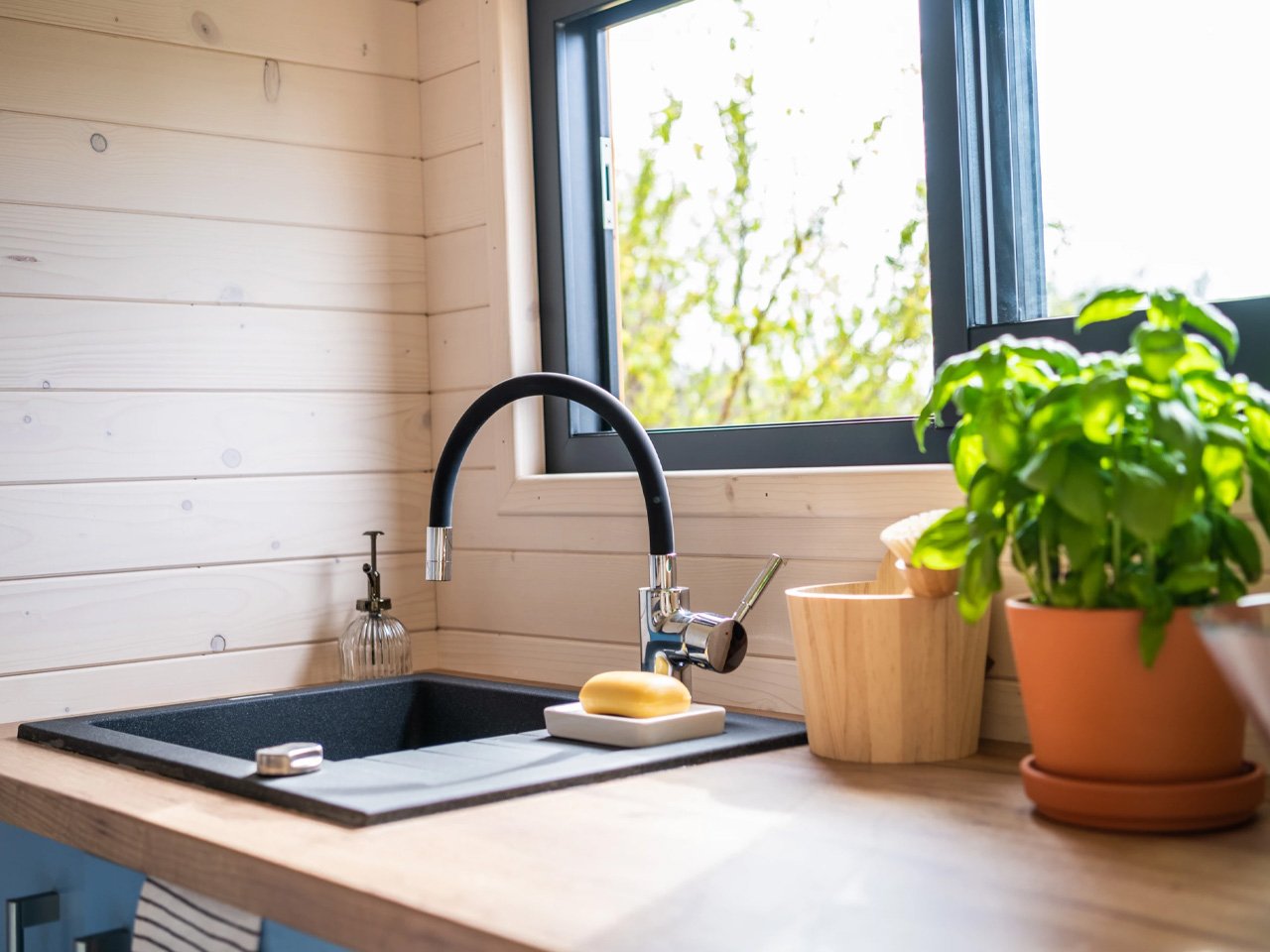
One of the most distinctive aspects of this model is its capacity for fully off-grid living. From the start, the home supports the installation of solar panels for electricity. It includes rainwater collection systems, greywater recycling solutions, and wood stoves for heating. These are not optional add-ons but integral elements of a design built for complete self-sufficiency.
Versatile Uses Between Nature and the City
This concept isn’t limited to remote areas; it has proven effective across diverse settings. Many tourism companies in France have adopted it for luxury camping (glamping) projects. They offer experiences that combine comfort with nature. At the same time, examples can be found closer to major cities, such as a recent development on the outskirts of Paris.
Between a Temporary Retreat and a Permanent Home
The varied applications of this type of housing reflect its remarkable flexibility. For city dwellers, it can serve as an escape from the noise of everyday life through weekend getaways. Others embrace it as a permanent residence. It offers a simpler and more independent lifestyle.
Higher Cost, but Long-Lasting Quality
The price of this model is around €57,500, which exceeds the average cost of tiny homes. While the figure may seem steep at first glance, its real value lies in the quality of its wooden construction and European craftsmanship. It ensures durability that lasts for decades, unlike mass-produced models. Those often lose their integrity after only a few years.
Delivery Time and Distribution
The delivery timeline ranges from four to five months, with shipping available across Europe. Though not as fast as instant delivery services, it’s a reminder that carefully crafted projects require time to be completed the right way.
Simplicity Over Flashiness
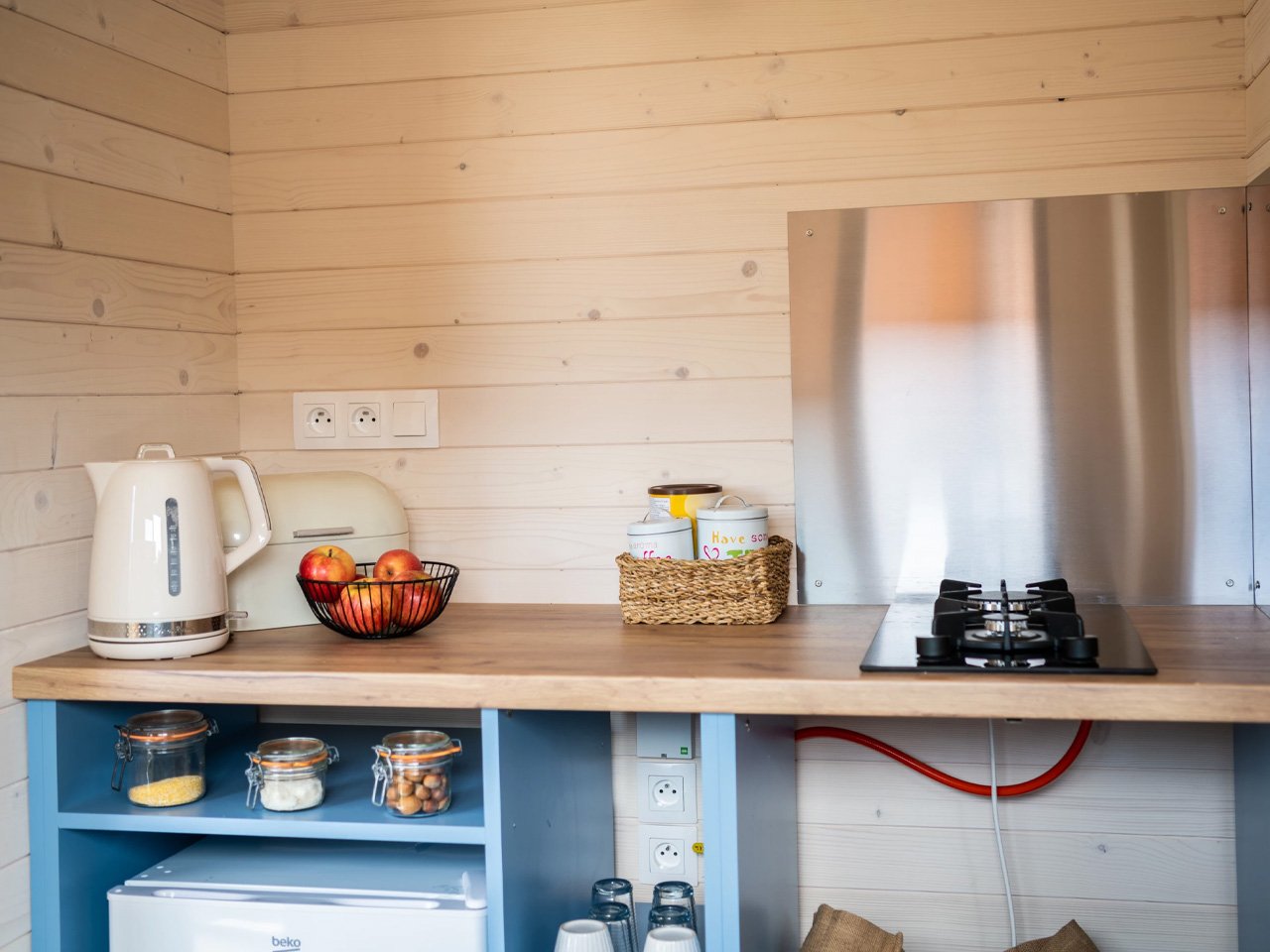
This design doesn’t try to follow every modern trend. There are no integrated smart systems or luxury kitchen setups designed to impress on social media. Instead, it emphasizes durability, practical design, and environmental responsibility. While many tiny homes look like miniature versions of traditional houses, this model genuinely embraces the concept of “small.” Every square inch serves a clear purpose without ever feeling cramped.
Authenticity of the Concept
Its greatest strength lies in its honesty toward the core idea. This is not a small home trying to imitate a larger one. Instead, it is a complete dwelling that simply happens to be compact. In doing so, it offers a true alternative for those who take sustainable living and downsizing seriously, without the pretense of superficial appearances.
✦ ArchUp Editorial Insight
The Cabana can be seen as a choice that clearly embodies the essence of tiny homes. It combines quality construction, natural materials, and practical design that makes smart use of space. These aspects make it appealing to those seeking a simpler lifestyle, closer to nature.
On the other hand, its relatively high price may pose a barrier for many. The long delivery timeline may not suit those in search of quick solutions. In addition, the absence of certain modern amenities may not align with the expectations of those who prioritize higher levels of technological comfort.
Balancing these strengths and limitations, The Cabana remains a model that reflects the core spirit of the tiny house movement. It leaves enough room for individuals to decide whether this style of living matches their personal way of life.
Prepared by the ArchUp Editorial Team
Don’t miss the chance to explore more from Architecture in fields like Design and Interior Design on the ArchUp website.


