Sagrada Família nears completion as the cross crowns the Tower of Jesus Christ in Barcelona

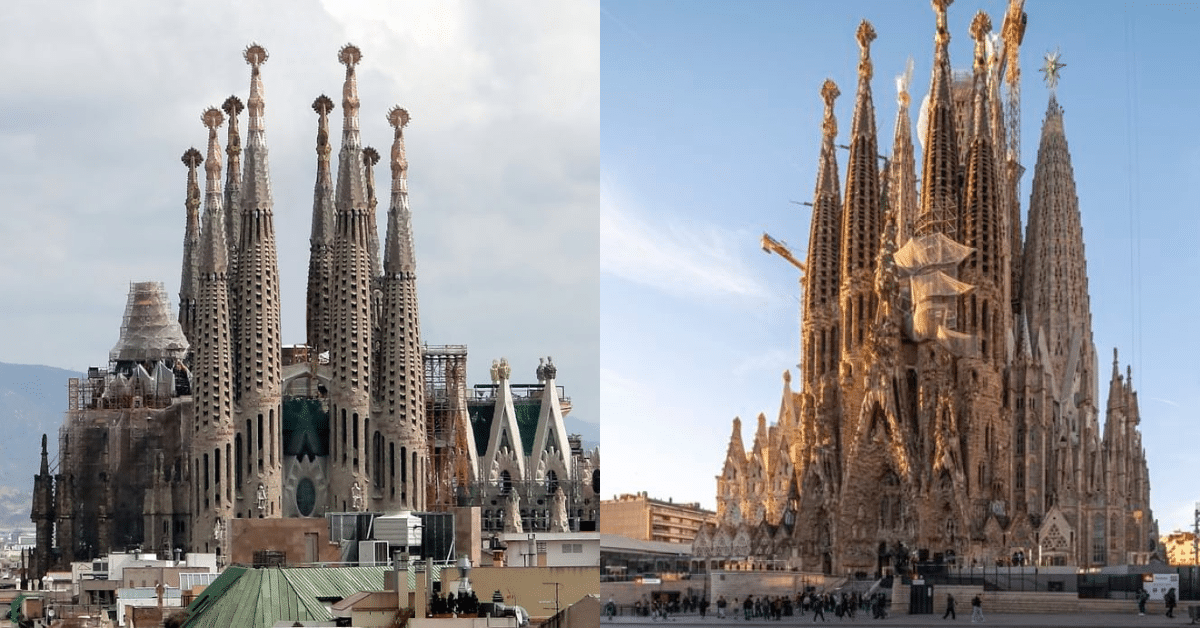
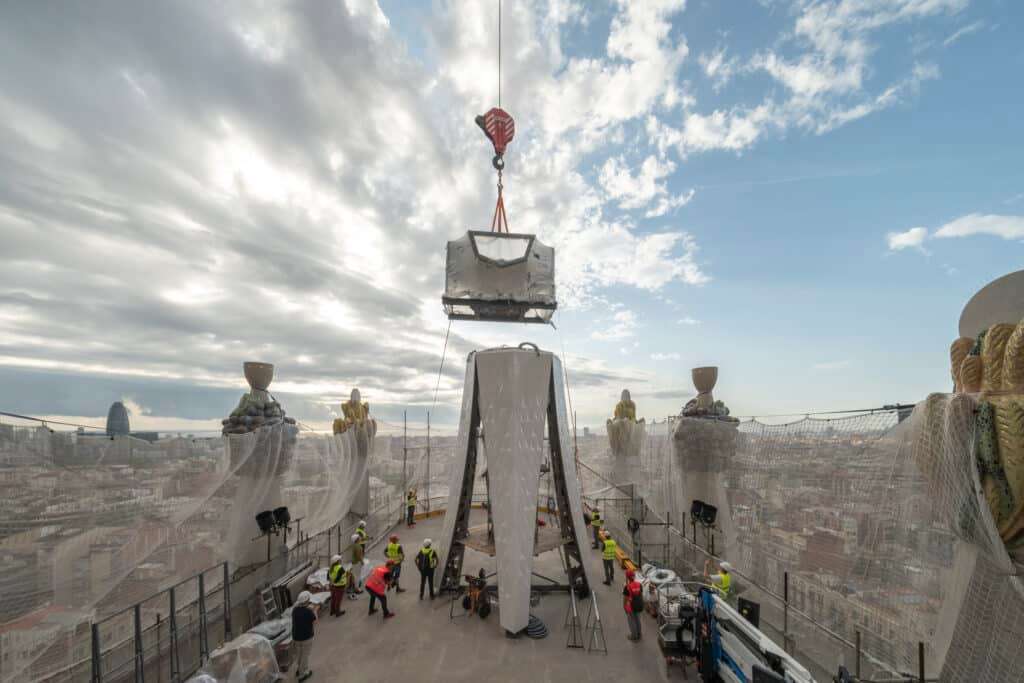
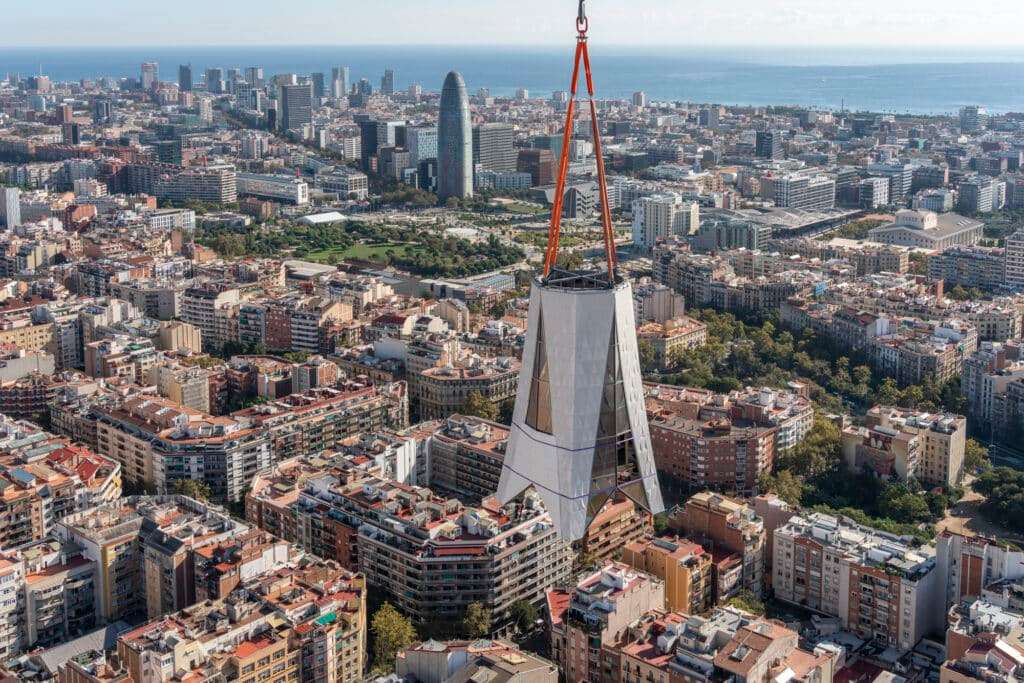
In a moment that unites architecture and faith, the cross now rises above the Tower of Jesus Christ at the Sagrada Família in Barcelona. It embodies the culmination of Antoni Gaudí’s visionary design. This milestone is more than the placement of a structural element. It marks the fulfillment of a spiritual and architectural journey that transforms solid matter into a living experience of light, movement, and symbolism.
Architecture as a Spiritual Journey
Gaudí believed that true beauty arises from nature. His design philosophy drew inspiration from organic forms and natural geometry. Each column, arch, and vault became part of a unified cosmic order. The Tower of Jesus Christ, now crowned by the cross, forms the basilica’s central vertical axis a symbolic ascent from earth to heaven. The tower’s gradual shift in geometry, from square to octagon, expresses the transition from the material to the divine.
The Engineering Vision Behind the Cross
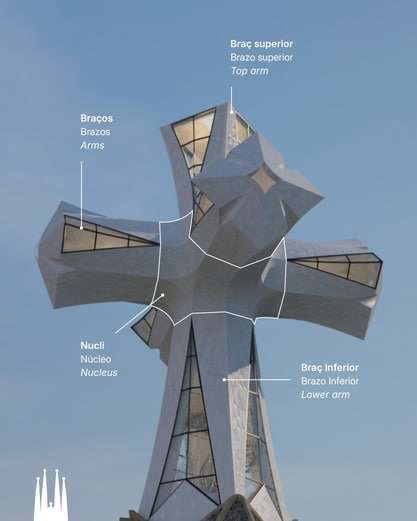
The cross itself is crafted using double-twist geometry, a form that achieves both structural balance and visual dynamism rarely seen in sacred architecture. Its surfaces shift and evolve depending on the viewer’s perspective, allowing the form to appear alive and responsive to light.
Finished in white ceramic and reflective glass, the cross captures the sun by day and glows with a celestial aura at dusk an architectural dialogue between form, light, and spiritual meaning.
Integration with the City and Environment
The Sagrada Família stands as a meeting point between Barcelona’s urban fabric and its cultural identity. Rather than isolating itself from the city, it emerges from its heart, redefining the relationship between sacred space and the public realm.
Its design principles natural ventilation and the use of daylight anticipate modern sustainability concepts, blending aesthetic harmony with environmental awareness. Gaudí’s approach demonstrates that architectural beauty and ecological intelligence can coexist within one sacred structure.
Symbolism and Design Philosophy
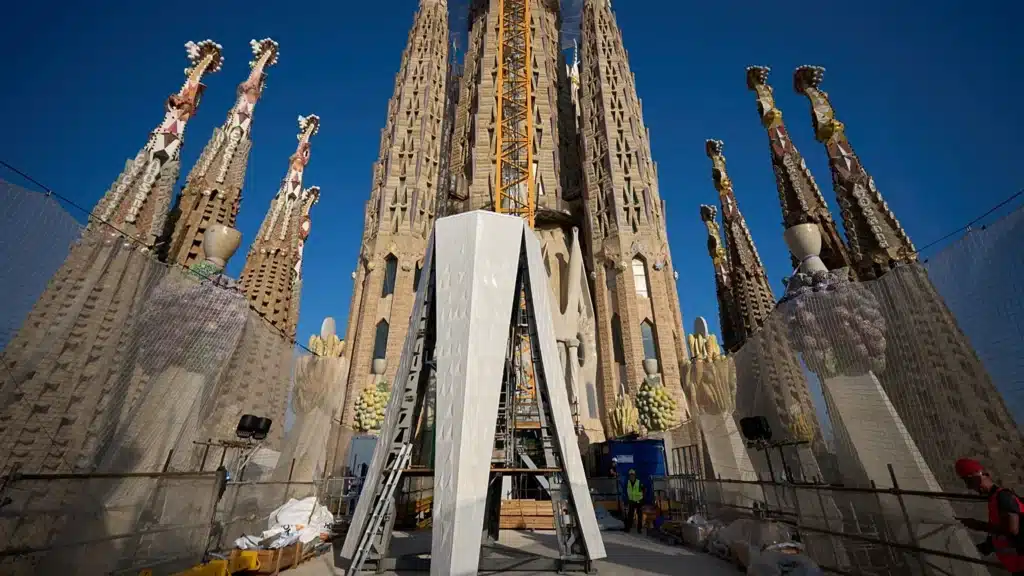
For Gaudí, every line of the basilica carried meaning. The towers represent the apostles, the facades narrate the life of Christ, and the cross serves as the ultimate symbol of unity, binding all architectural elements into a single vertical expression of faith.
The result is not a static monument but a visual scripture in stone and light a poem of geometry and devotion, inviting reflection and reverence through space and form.
The Gaudí Legacy
What makes the Sagrada Família remarkable is not merely its scale but its intellectual depth. It stands as a philosophical document in built form, chronicling humanity’s evolving understanding of sacred architecture.
For Gaudí, architecture was not a container for the divine it was a pathway toward it. Through his synthesis of light, structure, and symbolism, he transformed the basilica into a silent prayer made of stone.
Project Summary
| Element | Description |
|---|---|
| Location | Barcelona, Spain |
| Type | Major Catholic Basilica |
| Architectural Style | Organic and symbolic, inspired by natural geometry |
| Design Approach | Transition from square to octagonal geometry symbolizing spiritual ascent |
| Materials | White ceramic and glass reflecting natural light |
| Symbolic Role | The cross as the culmination of faith and structural unity |
| Philosophical Concept | Transforming material form into a spiritual experience through light and structure |
✦ ArchUp Editorial Insight
The Sagrada Família stands as a rare instance where architecture becomes a living spiritual organism, translating stone and structure into a rhythm of light and ascent. The interplay of ceramic and glass atop the Tower of Jesus Christ creates a tactile dialogue that materializes symbolism through form. Its design approach an upward journey from the physical to the divine redefines sacred architecture beyond convention. The project’s greatest value lies in its synthesis of structural artistry and theological intent, offering Barcelona a timeless symbol where faith and geometry coexist in radiant harmony.
ArchUp continuously documents leading architecture exhibitions and conferences, offering verified coverage of international competitions and official results within an open-access database.