The Marconi Theatre A Living Architectural Gem in the Heart of Buenos Aires


Introduction
Tucked away in a bustling street of Buenos Aires stands the Marconi Theatre not just a building, but a living witness to the city’s rich cultural and architectural history. Designed by the renowned Argentine architect Juan Bautista Arnaldi and completed in 1903, this iconic structure has become more than just a performance venue; it’s a symbol of artistic life and social energy that defines Buenos Aires.
From the moment you lay eyes on it, the theatre feels like a story waiting to be told one that blends craftsmanship, ambition, and the soul of a city that breathes art.

A Design That Stands the Test of Time
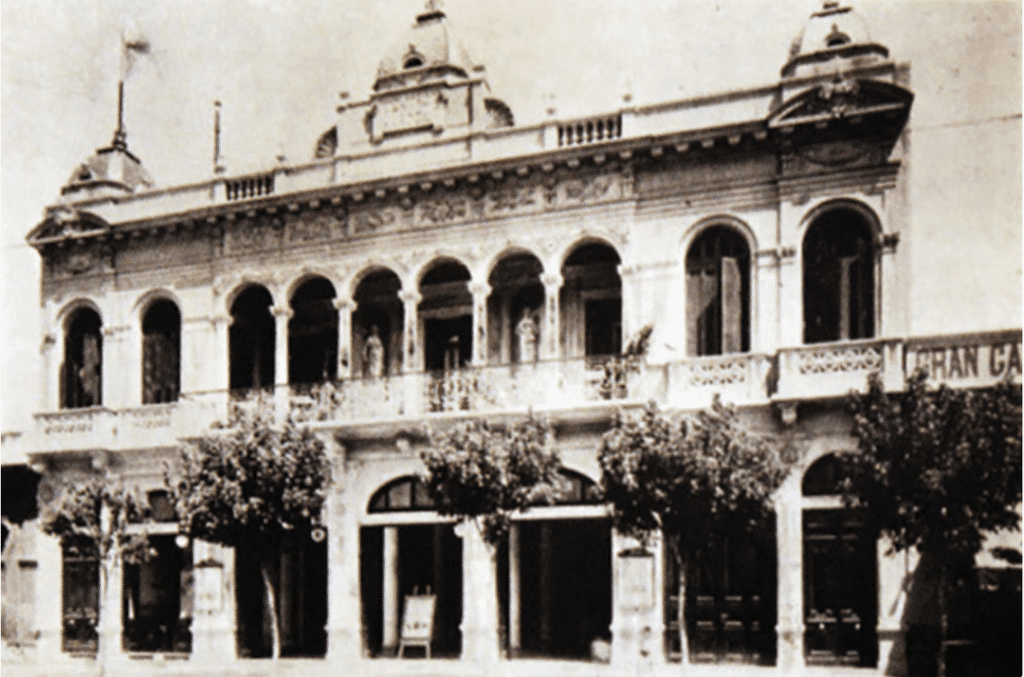
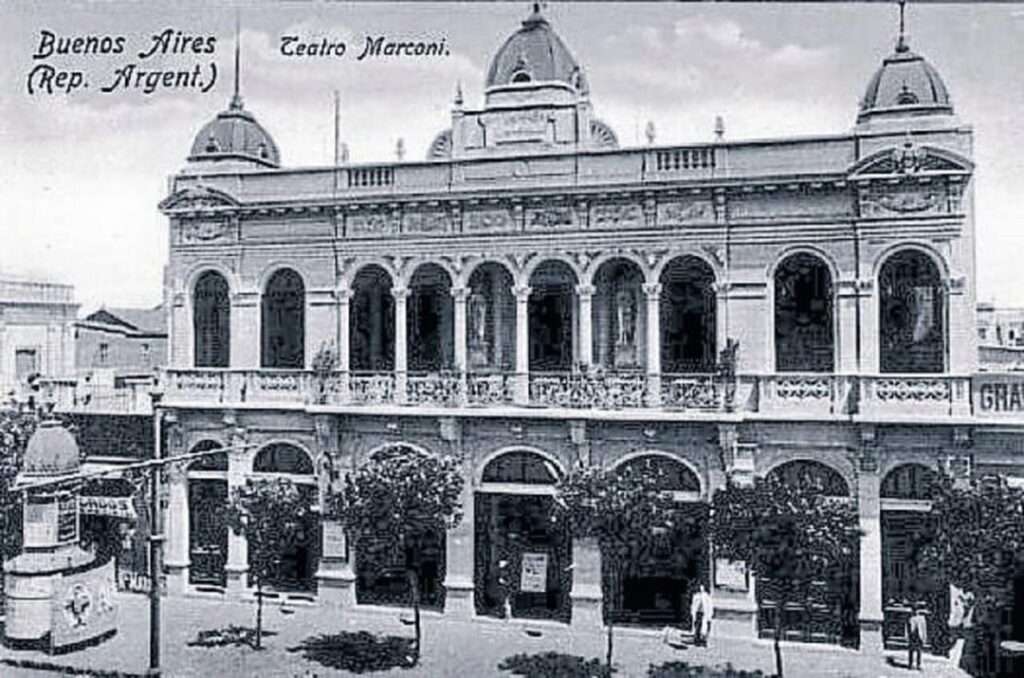
The Marconi Theatre is a fine example of Neoclassical architecture, blending symmetry, elegance, and grandeur in a way that still captivates visitors today. Its façade features tall columns, balanced arches, and intricate decorative details that reflect the refined tastes of early 20th-century design.
| Key Features | Details |
|---|---|
| Architectural Style | Neoclassical |
| Designer | Juan Bautista Arnaldi |
| Year Completed | 1903 |
| Location | Buenos Aires, Argentina |
Crowning the structure is a majestic dome that adds both visual drama and historical weight, making the theatre a standout landmark amidst the modern cityscape.
More Than Just a Stage
The Marconi Theatre wasn’t built only to host performances it was meant to bring people together. Over the decades, it has welcomed some of the most celebrated artists of their time, from dramatic plays to classical concerts and even modern musical acts.
Even today, it remains a vibrant space where past and present meet. Whether you’re a local or a traveler, stepping inside offers a rare chance to experience the city’s cultural heartbeat in a setting that feels both timeless and intimate.
A Theatre Born in a Time of Change
When the Marconi Theatre opened its doors, Buenos Aires was undergoing a major transformation growing rapidly into a cosmopolitan hub full of ambition and innovation. Architecture played a key role in shaping the city’s new identity, and the Marconi Theatre stood as a proud example of that era.
Its name pays tribute to Guglielmo Marconi, the Italian inventor of wireless telegraphy, symbolizing the era’s fascination with progress and the power of human imagination.
From Neglect to Revival
Like many historic buildings, the Marconi Theatre faced years of neglect and even threats of demolition. But thanks to passionate preservationists and community support, it was restored and protected as part of the city’s cultural legacy.
This revival wasn’t just about saving bricks and mortar it was about preserving a piece of the city’s soul.
Still Shining After All These Years
Today, the Marconi Theatre continues to serve as a dynamic venue for all kinds of performances and events. It manages to balance its historical charm with modern functionality, offering a unique backdrop that few other spaces can match.
It proves that old buildings don’t have to fade into memory they can evolve, inspire, and remain relevant in a fast-changing world.
In Closing
The Marconi Theatre is more than just a monument it’s a celebration of creativity, craftsmanship, and the enduring bond between architecture and culture. It reminds us that cities are not just made of streets and buildings, but of stories, dreams, and the people who bring them to life.
Visiting the Marconi Theatre isn’t just a trip through architecture it’s a journey into the heart of Buenos Aires itself.
ArchUp continues to track transformations in the construction industry, spotlighting projects that embrace innovation and reshape the urban landscape. The Museum of the Future is proof that when imagination meets dedication, the impossible becomes reality.