

The Modern Mobile Home: Redefining Luxury and Sustainability in the Heart of Nature

The idea of a “mobile home” often conjures images of identical, limited-space metal units. However, this revolutionary project by Pad Studio in the New Forest area of the UK shatters all these stereotypes to present a new vision for how we can live in perfect harmony with nature without sacrificing modern design elegance and comfort.
Exterior Design: Blending with Nature
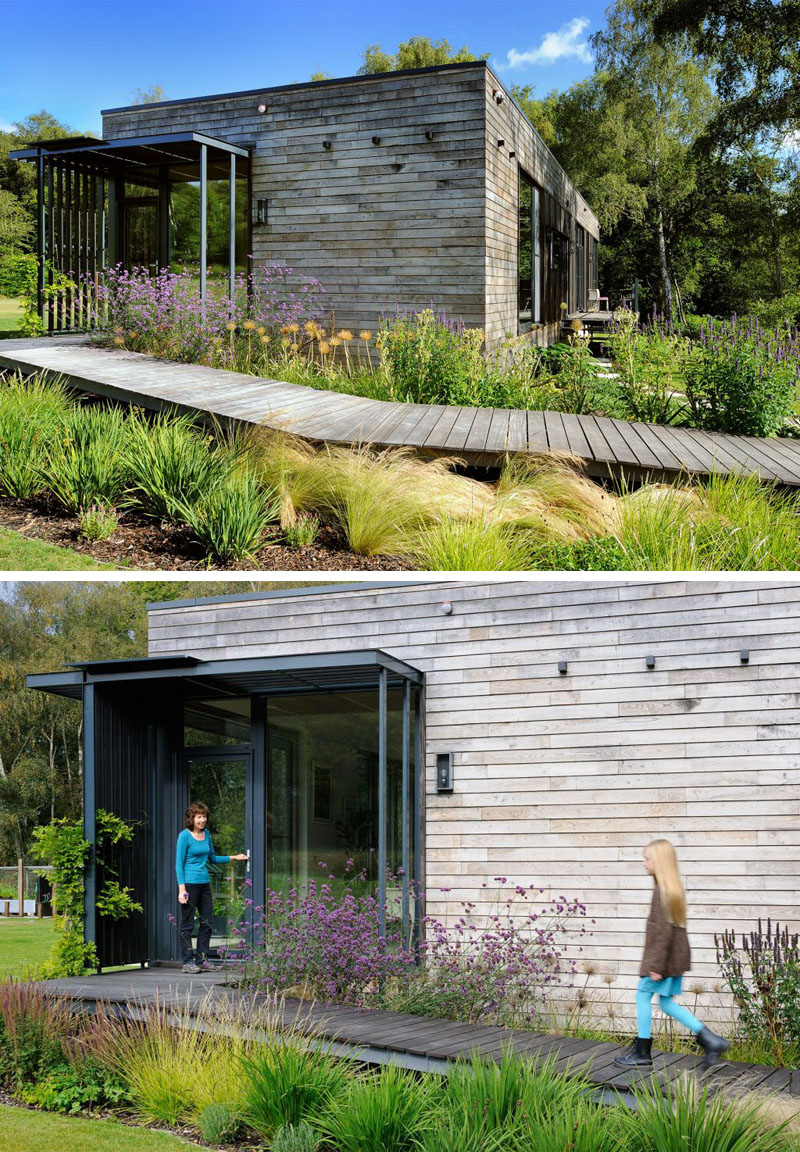
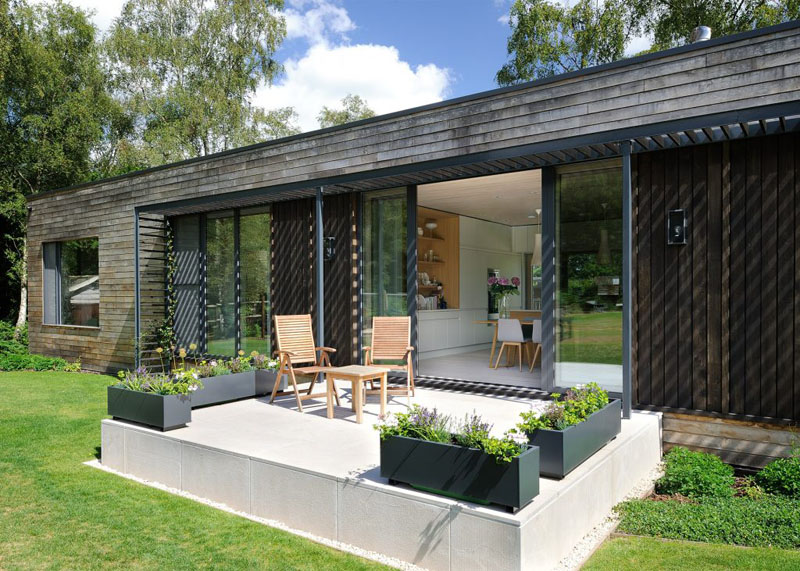
The home’s exterior design is characterized by its cladding made of sweet chestnut wood, naturally stained in dark tones. This wood not only gives the structure an elegant and sturdy appearance but also allows the building to blend seamlessly into its woodland surroundings. It is a durable, eco-friendly material that ages beautifully over time, enhancing a sense of authenticity and sustainability.
Interior Design: Light and Connection
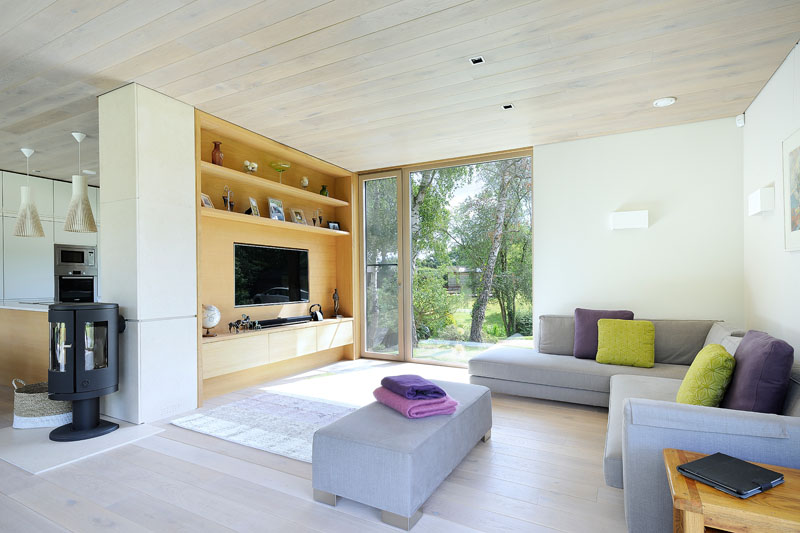
Upon crossing the threshold, the harmony transitions from outside to inside. The interior spaces are designed to be bright and open, flooded with natural light pouring through large windows that extend from floor to ceiling. Warm oak, pale limestone, and white-trimmed walls were chosen to create a neutral, clean backdrop that highlights the beauty of the surrounding nature and fosters a sense of serenity. The primary goal was to blur the boundary between inside and outside, achieved with remarkable success.
Smart and Integrated Living Spaces
Every corner of this compact home is designed to function at its fullest potential:
- The Living Room: Features a smart built-in cabinet that provides storage without sacrificing aesthetics.
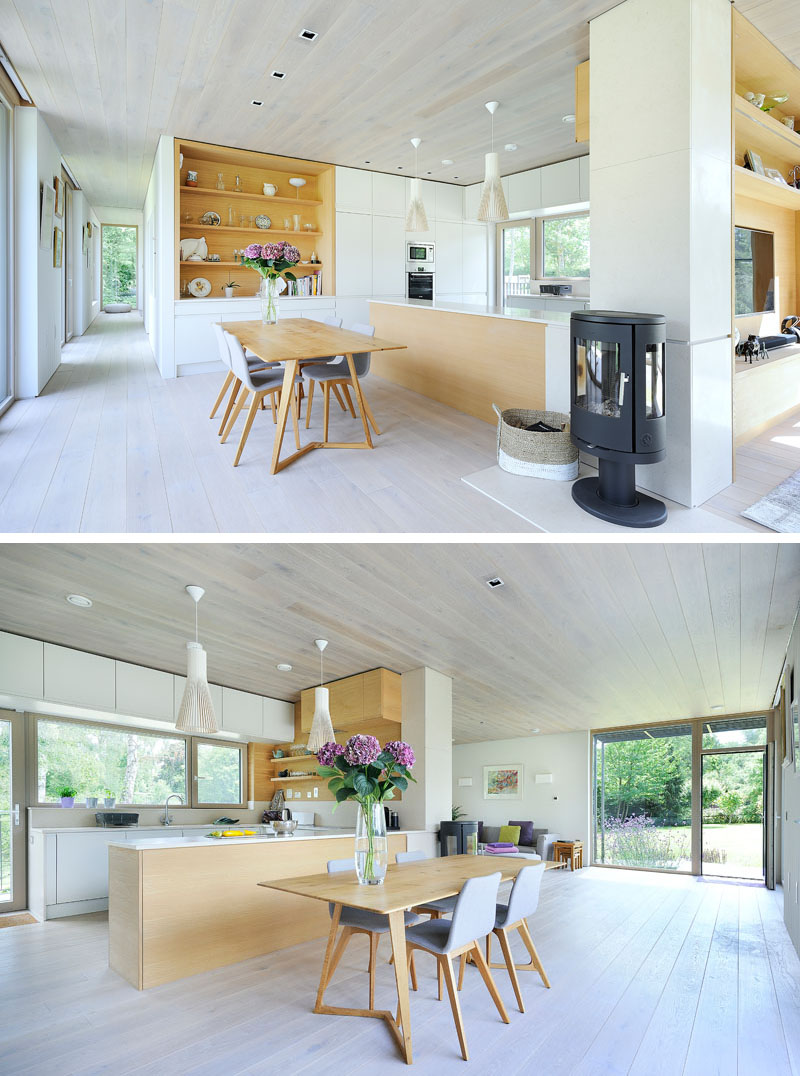
- The Kitchen and Dining Area: Sit adjacent to the living room, with a wood-burning stove as a central element. This stove acts not only as an efficient heater but also becomes a warm focal point that brings the family together.
- The Multi-Purpose Space: An area is designated to function as a home office or a reading nook, equipped with built-in shelves and space for a small sofa, with doors opening onto an outdoor deck.
Sustainability and Conscious Living
What distinguishes this project is not just its beauty but its philosophy. The home was designed to have a low carbon footprint through the use of natural materials, high-efficiency insulation, and sustainable heating sources like the wood stove. It is a model of conscious living that respects the environment without compromising quality of life.
Conclusion: Challenging Expectations
This mobile home is more than just a dwelling; it is a statement. It proves that the constraints of limited space need not restrict design imagination. Through care and creativity, the concept of a mobile dwelling can be transformed into a luxurious and sustainable sanctuary that challenges old perceptions and sets a new standard for the future of residential architecture.
(✦ ArchUp Editorial Insight)
This project presents a compelling case for reimagining mobile dwellings as sustainable, elegant sanctuaries deeply connected to nature, deftly challenging the stereotypes associated with this building typology. However, the argument could be strengthened by more directly addressing economic feasibility; a clear discussion of the initial cost and return on investment would help define this model’s accessibility and viability on a broader scale. Nevertheless, the project’s power lies in its uncontested success in merging environmental consciousness with the comfort and quality of high-end interior design, creating an inspiring precedent for the future of architecture.
Brought to you by the ArchUp Editorial Team
Inspiration starts here. Dive deeper into Architecture, Interior Design, Research, Cities, Design, and cutting-edge Projectson ArchUp.


