The Nature of Spaces in Architecture

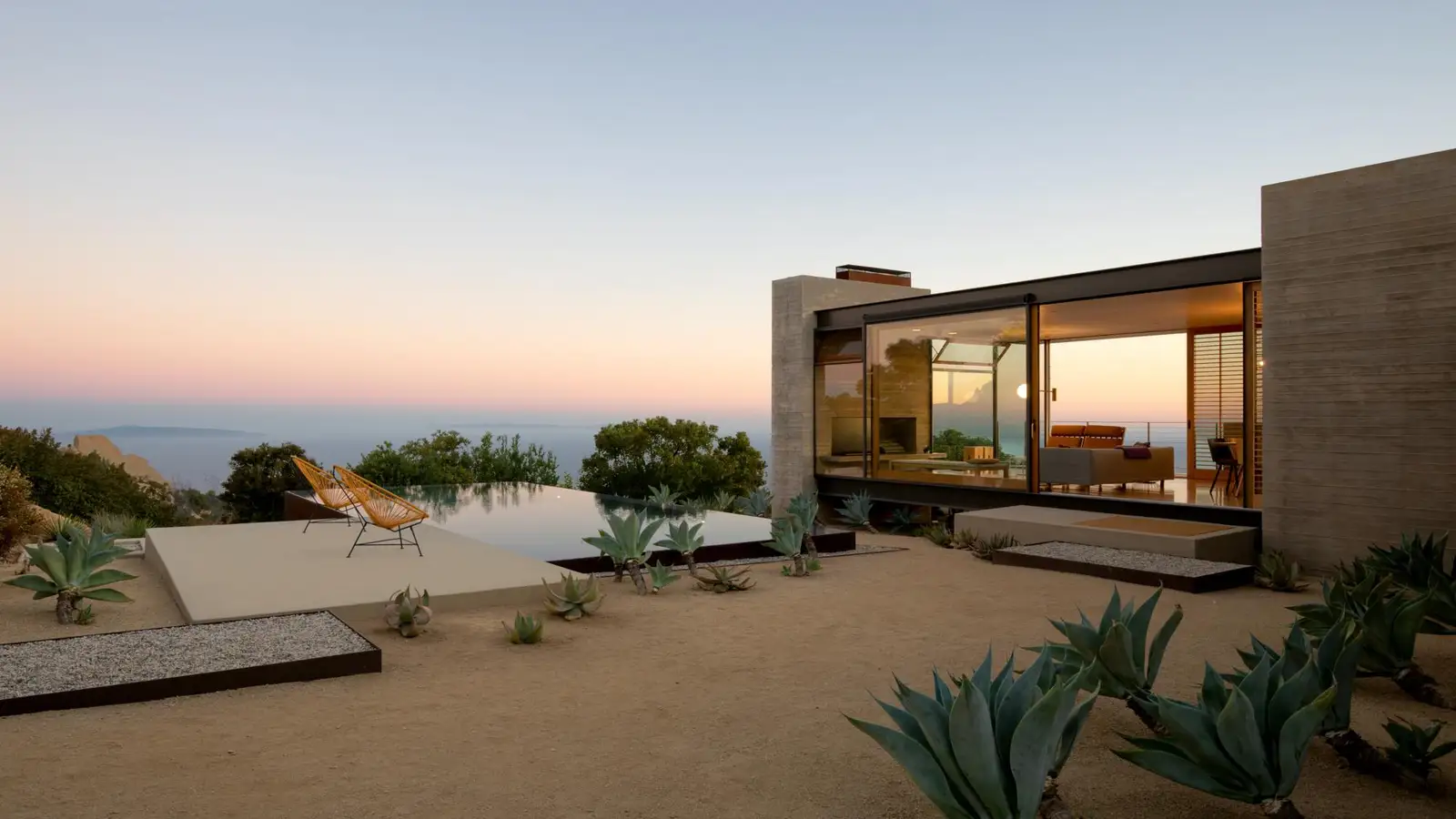
Our surroundings frequently inspire us in our daily lives. It’s no wonder that buildings with more sensory spaces are in higher demand. Today’s architects try to design spaces that are more than just four walls and a roof. Because it is in our propensity to explore our senses, one of the job of an architect is to always seek out new methods to stimulate the built environment, both on the outside and within.
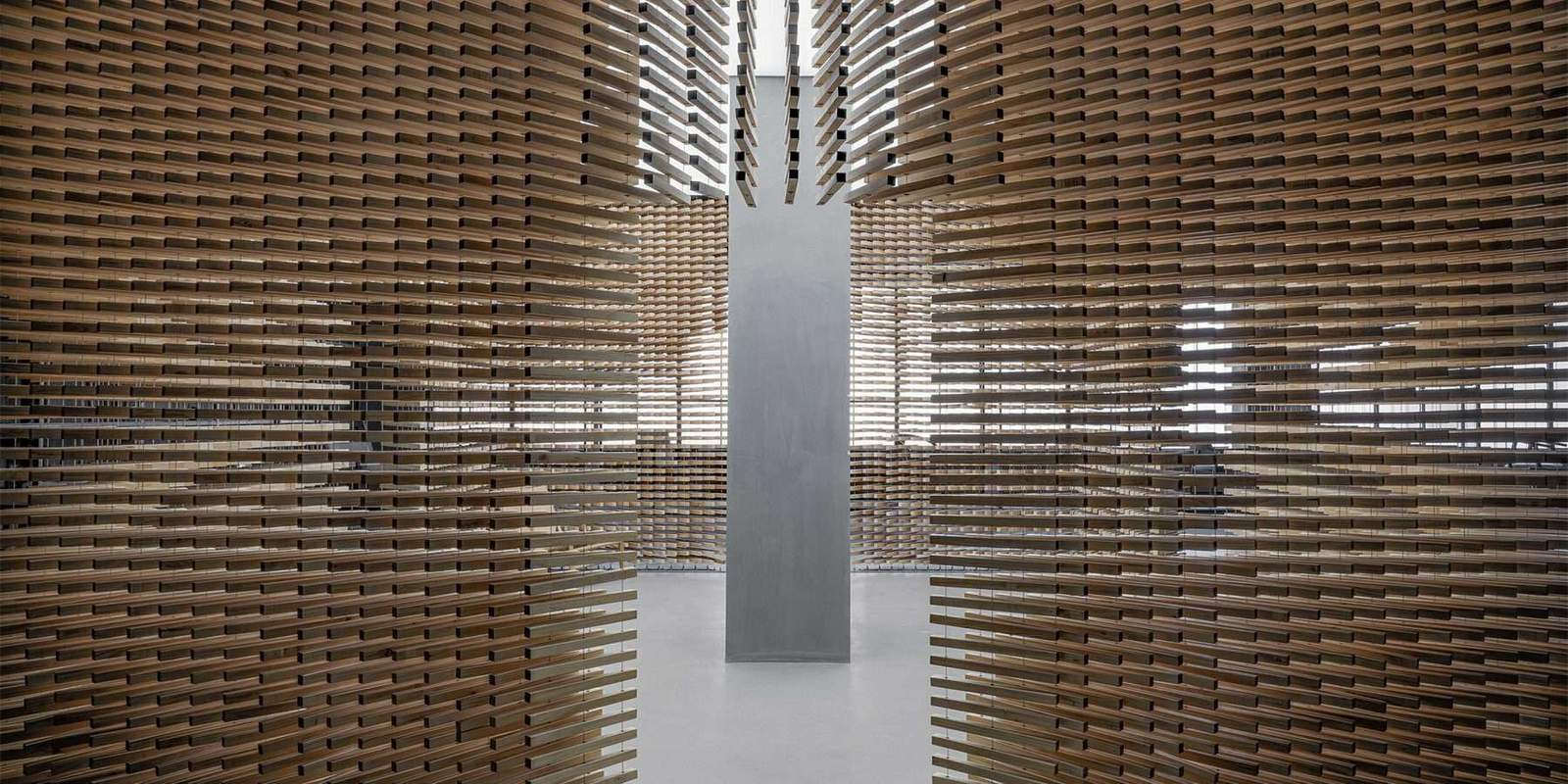
Our sense of sight is the most important of all our senses. Our brains can employ up to 60% of their capacity at any given time to store images and cross-reference them with other senses to form reasoning or logic based on our previous experiences. When designing with our human nature in mind, it’s critical to strike a balance between order and disorder to excite our senses naturally. Nature’s irregularities arouse the first sensations, which can lead to a sense of awe and limitless potential in the intellect.
Lighting can be utilized to produce abnormalities, for example. By dimming or changing color, it can change the mode for different occasions or correlate with the time of year. This phenomenon gives us a visual sense of time and place that excites us and helps us remember things.
Another asymmetry can serve as a link between various senses. A fireplace may give both physical and symbolic warmth to a room that may appear cold. Ceilings that we generally consider to be flat can contain intricate shapes and depth. A small amount of greenery or a water feature in any room can add an infinite amount of natural variation. Bringing all of these elements together in one place can be a magical experience.
Bottom Line
It is our task as architects to continue to investigate features that cross boundaries. We should continue to be more fertile in our approach to clients so that they grasp the emotions we’re attempting to elicit in the settings we create. Infusing goods that will excite our senses and plant a seed for different experiences into public spaces within multi-use buildings is a terrific way to infuse objects that will stimulate our senses and plant a seed for diverse experiences. The more settings we create with this phenomenon in mind, the more we’ll be able to learn about and become familiar with other natural senses that we don’t use as much as nature intended. In the end, this may result in a higher quality of life.
Read more on INJ Architects:
https://injarch.com/the-role-of-the-architect-in-maintaining-a-healthy-lifestyle-through-the-right-architectural-design/
https://injarch.com/green-architecture-2/
https://injarch.com/industrial-architecture-architectural-design-method-for-factories/