This Crumbling Kyoto Home: Heritage Meets Modern Living

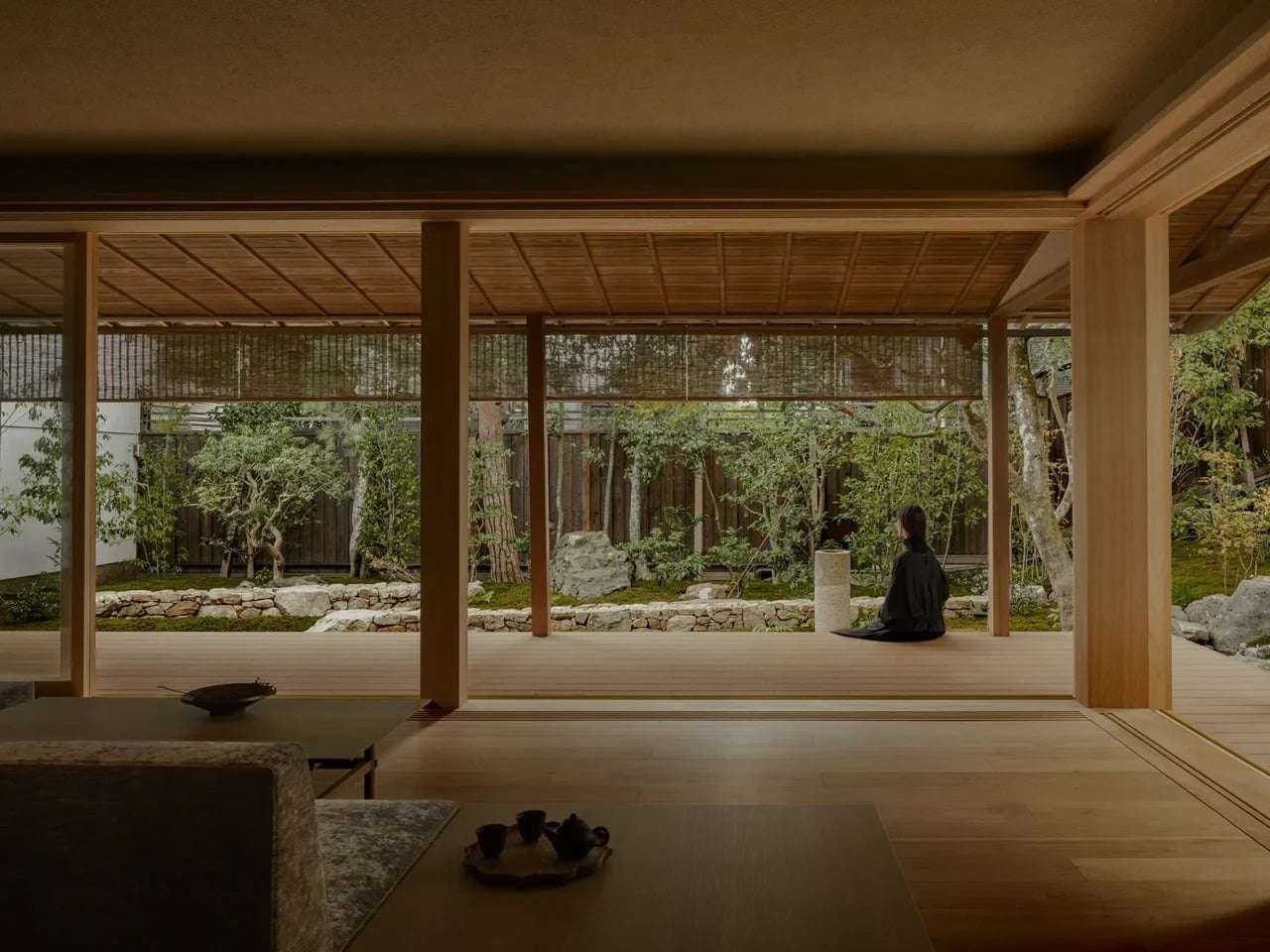
Renovation as a Dialogue Between Past and Present
In Kyoto, preservation regulations turn the process of renovation into a negotiation between what a building was historically and what its contemporary residents need it to become. In this context, the Narutaki district recently showcased an example of this balance, where a traditional Sukiya-style house was restored after removing decades of piecemeal alterations. The goal of this process was to recover the spatial clarity that characterized the original structure, without turning it into a static museum piece or a simple showroom.
Architecture as a Living Framework for Experience
This renovation approach treats historical materials as a living framework for daily life, rather than as fixed relics. This distinction allows the home to be understood not just as a physical space, but as a place that interacts with its inhabitants and responds to their contemporary needs, while preserving its historical spirit.
Roots of Sukiya Architecture
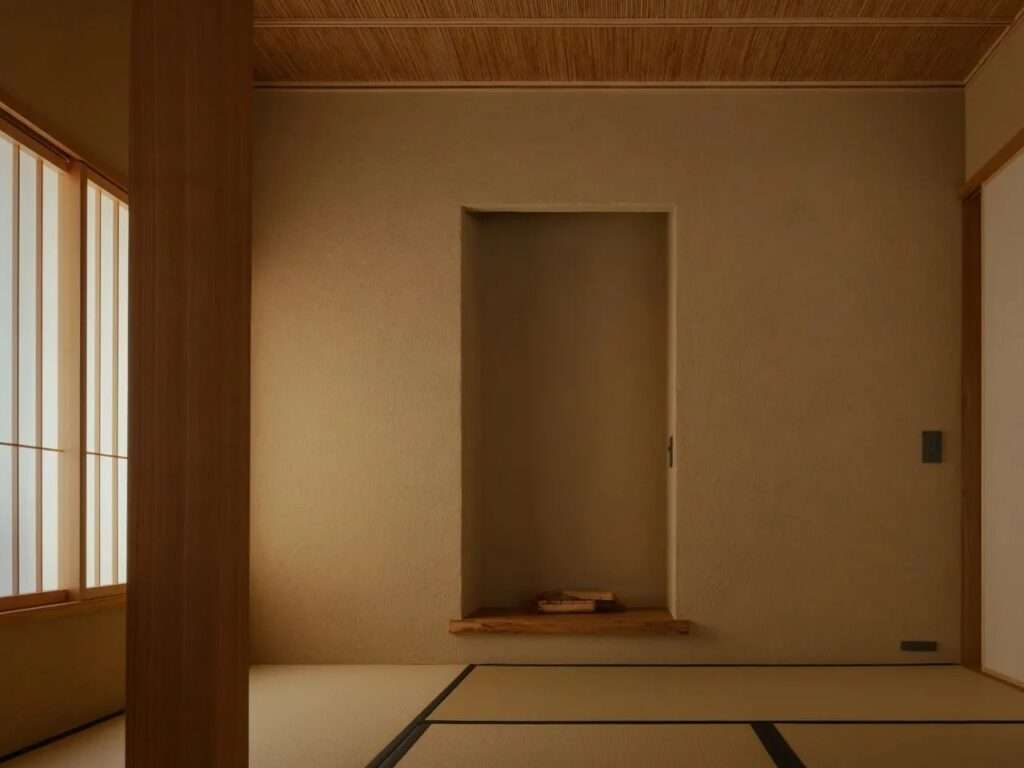
The roots of Sukiya architecture trace back to Japanese tea ceremony traditions, where rooms, woodwork, and natural materials were designed to provide a fully immersive contemplative experience, rather than mere visual display. Over time, many traditional houses lost this character due to successive, uncoordinated modifications, which affected the definition of traditional spaces such as tatami rooms.
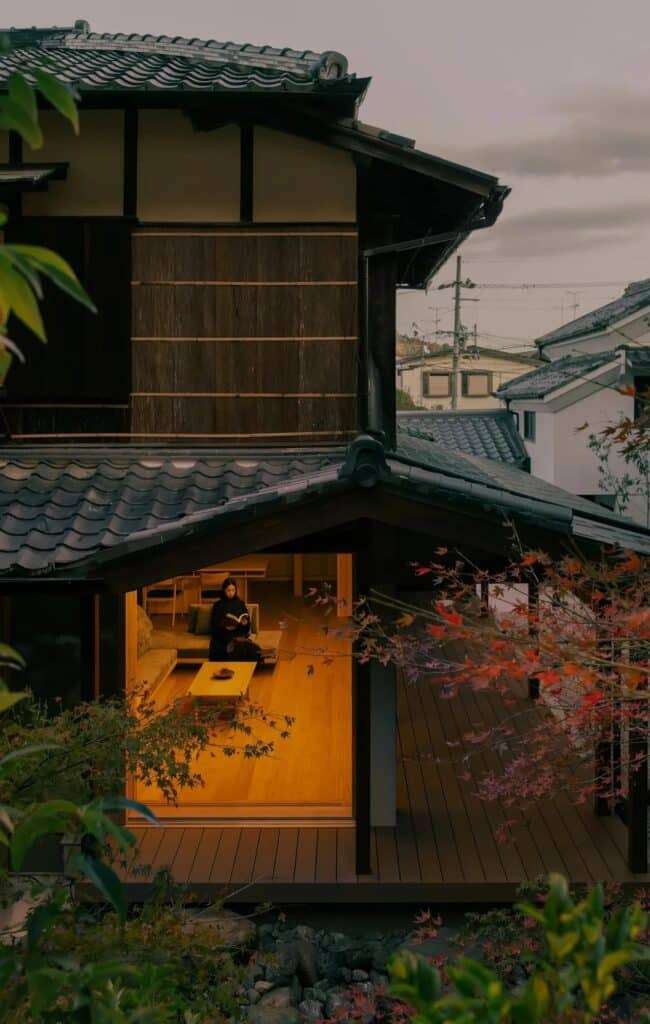
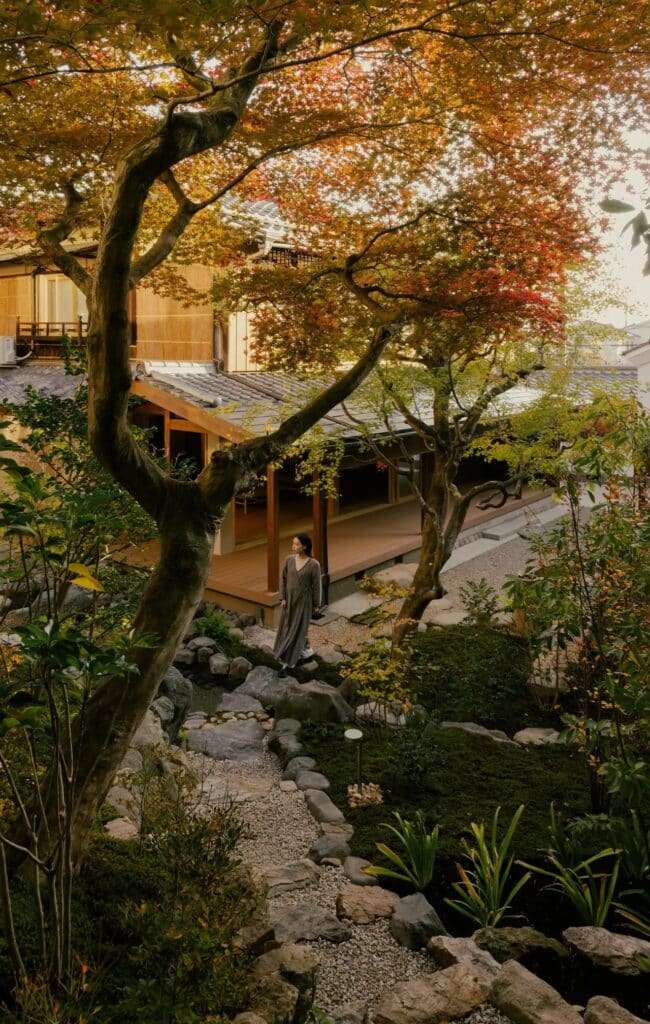
Reorganizing Interior Spaces
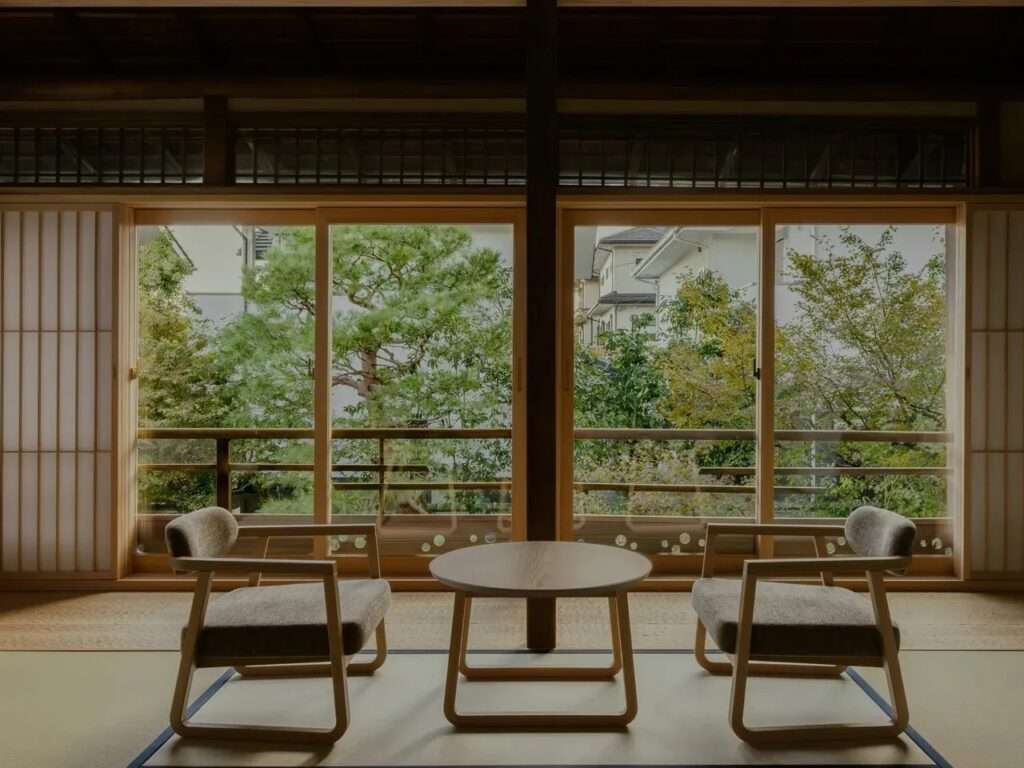
The architects approached the reorganization of the house by creating three distinct yet naturally interconnected spaces. The first is a passage with an earthen floor that links the main building’s wings to a smaller, separate annex. The second space is a spacious reception room, while the third is dedicated to a garden room designed for a single purpose: sitting and observing the exterior view.
Designing for Visual Contemplation
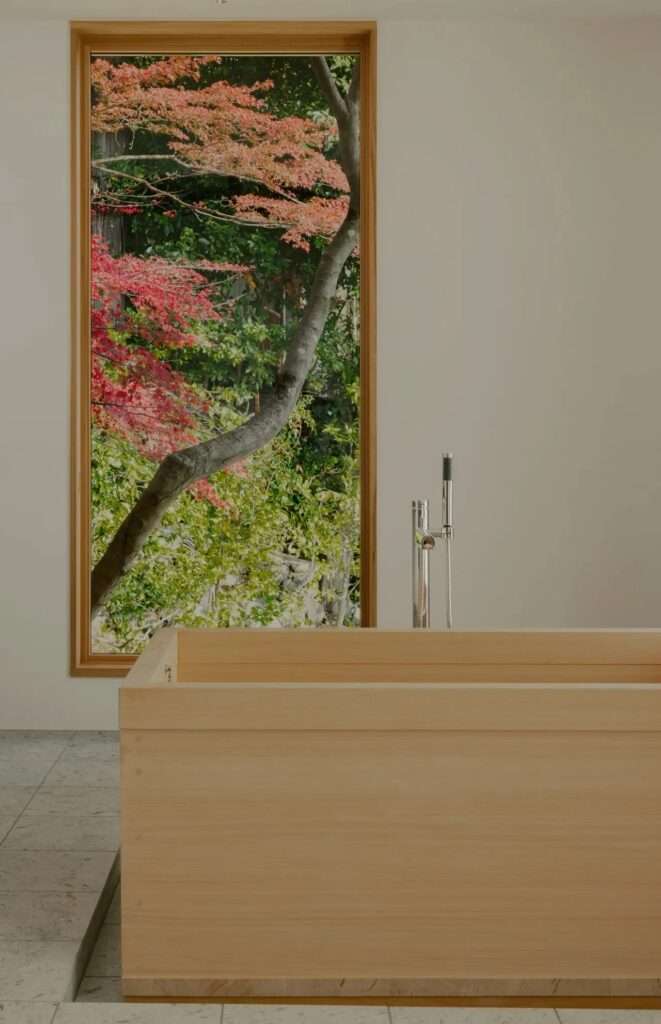
The Rakusei area in western Kyoto features expansive vistas and mature vegetation that change with the seasons. The architects leveraged this characteristic by orienting an entire room around the act of visually observing these seasonal changes. This room is devoid of practical functions such as storage or activity programs, emphasizing that the project prioritizes sensory experience and the overall atmosphere of the home over mere utilitarian use of space.
Materials and Traditional Craftsmanship
Material choices reinforce the connection to Sukiya traditions without resorting to literal imitation. Exposed cherry wood beams span the interior spaces, while walls and ceilings are coated with Juraku plaster, a finish historically tied to Kyoto’s architectural identity. Fusuma sliding doors, crafted by Noda Hanga Studio, separate rooms seamlessly. All of these elements were executed by local artisans, reflecting respect for traditional skills rather than relying on standardized contractors or contemporary construction methods.
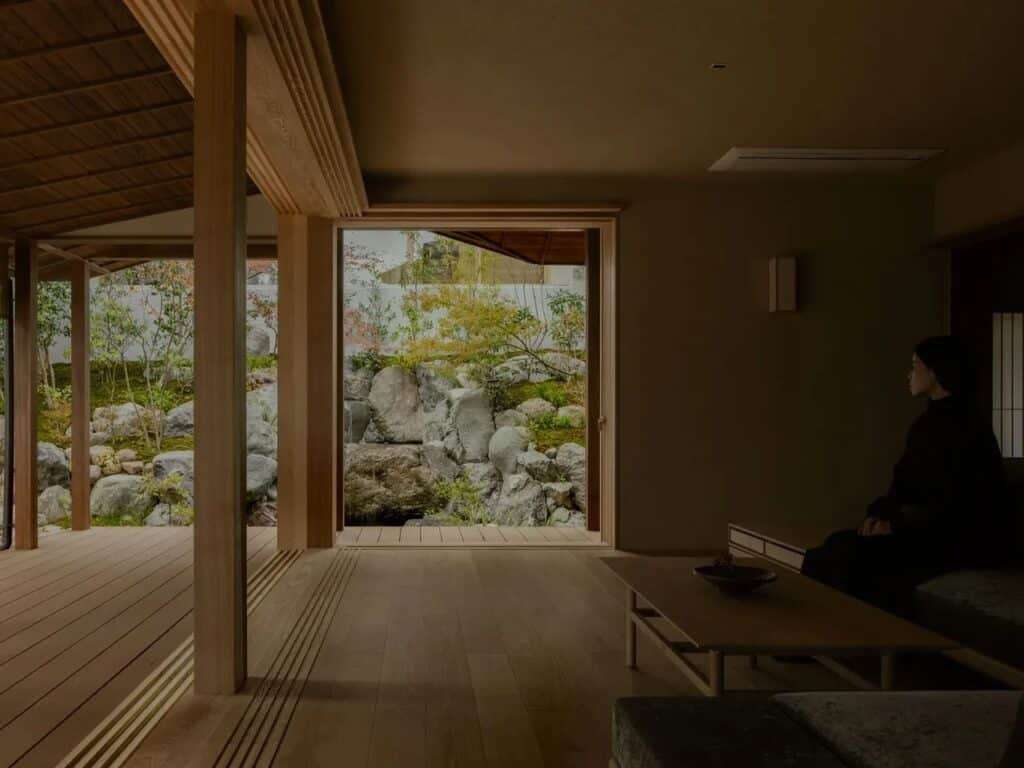
Merging Old with New
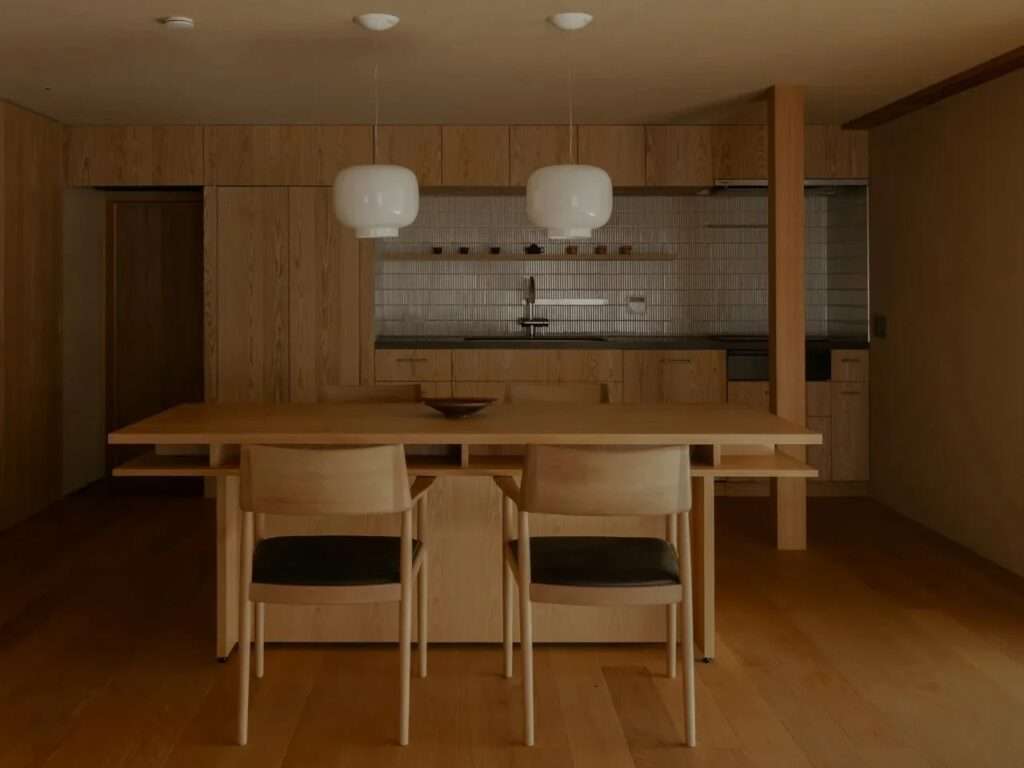
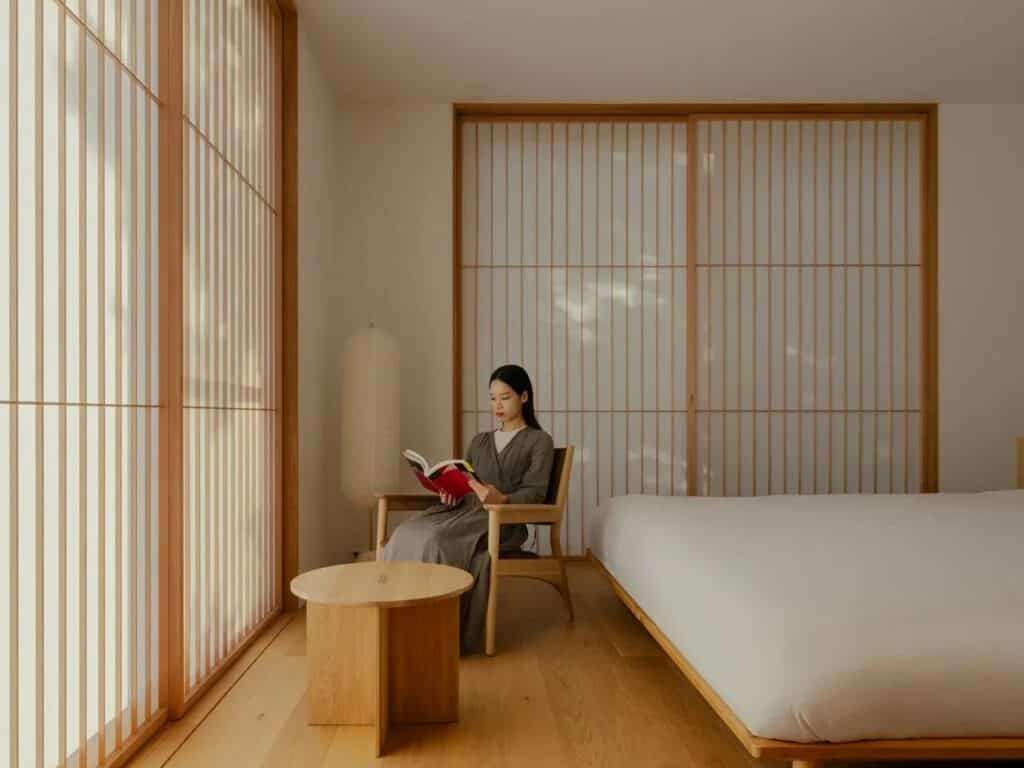
The entirely new annex houses the primary living areas, including guest rooms and wooden baths equipped with translucent window screens that soften natural light, transforming it from mere illumination into a harmonious atmospheric glow. Pairing modern construction with the restored historical shell is a familiar strategy in renovation projects, but the distinction here lies in the seamless dialogue between the two through the earthen passage that connects them.
Balancing Preservation and Contemporary Function
Tensions in any heritage project arise between maintaining the historical character of a house and ensuring contemporary livability. Many projects tend to overemphasize one side, either literal replication of heritage or full-scale modernization. Here, the design achieves a delicate balance; it preserves sensitivity to the historical context of the Narutaki district while providing a contemporary logic in spatial organization.
Sustainability Over Time
Although the materials and finishes carry strong historical connotations, the new design gives the house a robust architectural framework. The question of how well this balance will endure under long-term daily use can only be answered by the inhabitants, yet the foundational principles of the design provide sufficient flexibility to ensure the sustainability of the living experience without losing the historical spirit of the place.
✦ ArchUp Editorial Insight
The renovation of This Crumbling Kyoto Home represents a spatial residue of regulatory rigor and capital allocation within heritage districts. The process was driven by strict preservation laws and the market value attributed to historic neighborhoods in Narutaki, while constraints on skilled labor, material sourcing, and approval sequences created the core regulatory friction.
The spatial solution manifests in three interconnected zones: passageways, reception rooms, and dedicated observation rooms, serving as spatial strategies amid compliance pressures and expected unit occupancy. Materials and finishes, local wood, traditional plaster, sliding doors, function as standardized tools to meet regulatory requirements while preserving the property’s value.
The new extension negotiates density constraints and interior lighting without increasing the net usable area, while the overall configuration indicates careful management of circulation flows and occupancy patterns. Here, architecture emerges as a product of regulation and capital, rather than as a result of purely artistic choice.