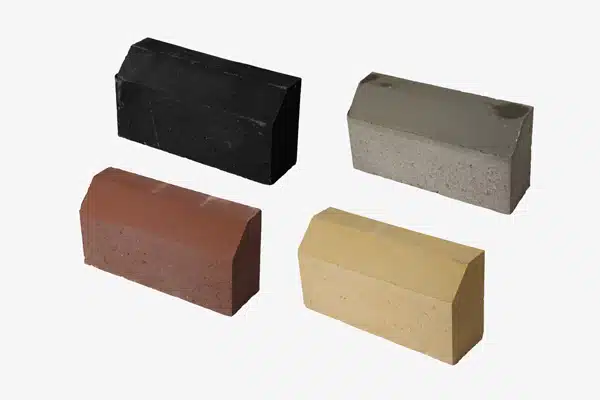
Traditional Tile Sole

General Description
Traditional tile soles, or “نعله بلاط بلدي,” are typically made from locally sourced materials, such as natural clay or cement, and are used in construction for both functional and decorative purposes. These tiles are renowned for their durability and aesthetic appeal, particularly in rustic or vintage-style buildings. They have been used for centuries in traditional architecture, providing both an affordable and reliable flooring solution.
Traditional tile soles are especially popular in courtyards, gardens, and areas requiring a balance of toughness and visual appeal. These tiles are known for their rough texture, and they are often finished with a natural earthy color palette, giving them a distinctive traditional look.
Properties and Features
- Durability: Highly resistant to wear and tear, these tiles last for many years even in high-traffic areas.
- Natural Aesthetic: The natural clay or cement used in their creation provides an earthy, rustic charm.
- Weather Resistance: Suitable for both indoor and outdoor use, with high resistance to the elements.
- Non-slip Surface: The rough texture of the tile ensures a secure footing, making it a great choice for outdoor spaces.
- Affordability: Made from locally sourced materials, they are a cost-effective flooring option for both residential and commercial applications.
- Eco-Friendly: These tiles are made from sustainable materials, offering an environmentally friendly choice for builders and designers.
Common Uses
- Outdoor Patios and Courtyards: Ideal for creating functional and attractive outdoor spaces.
- Garden Paths: Often used for creating stable and attractive walkways in gardens and landscapes.
- Staircases: These tiles can be used in staircases, especially for outdoor steps.
- Rural and Traditional Buildings: Frequently seen in older homes, villas, and traditional buildings that aim to retain their classic charm.
- Indoor Flooring: Though mainly used outdoors, these tiles can also be used indoors for rustic-style flooring.
Available Dimensions
- Standard Sizes:
- 200 × 200 × 15 mm
- 250 × 250 × 20 mm
- 300 × 300 × 25 mm
- Custom Sizes Available Upon Request.
Density and Weight
- Density: Varies from 1,600 to 2,200 kg/m³ depending on the material used.
- Weight per Tile: Varies between 4-7 kg depending on the size.
Longevity and Strength
Traditional tile soles are highly durable and can last for many decades with proper maintenance. They have a compressive strength of 12-20 MPa, making them strong enough to endure heavy use and outdoor conditions.
Advantages
- Timeless Aesthetic: These tiles add a rustic, traditional look to any space.
- Durability: Resistant to wear and tear, making them ideal for both high-traffic and outdoor areas.
- Easy Maintenance: The rough surface of the tiles is low-maintenance, requiring only basic cleaning.
- Affordable Option: Made from locally available materials, they offer an economical solution for homeowners and builders.
- Versatile Use: Suitable for a wide range of indoor and outdoor applications.
Comparison with Other Types of Tiles
| Feature | Traditional Tile Sole | Ceramic Tile | Marble Tile |
|---|---|---|---|
| Durability | High | Medium | High |
| Aesthetic Appeal | Rustic and Traditional | Varied Styles | Elegant and Luxurious |
| Weight | Medium | Light | Heavy |
| Slip Resistance | High (Non-slip) | Medium | Low |
| Cost | Affordable | Medium to High | High |
Installation and Maintenance Guidelines
- Installation: Traditional tile soles should be laid using cement-based mortar for outdoor applications and tile adhesive for indoor installations.
- Surface Preparation: Ensure the surface is clean, dry, and level before installation.
- Expansion Gaps: Leave slight expansion gaps between tiles to accommodate any changes in temperature or humidity.
- Maintenance: Clean using a broom, mop, or a light scrubber. For outdoor areas, sweep off any dirt or debris regularly.
- Protection: Outdoor installations may benefit from a protective sealant to preserve the tile’s color and durability over time.
Traditional tile soles are the perfect solution for anyone seeking to achieve a rustic, durable, and practical design for both indoor and outdoor spaces. With their timeless appeal and strong, low-maintenance qualities, these tiles provide both functionality and aesthetic value.