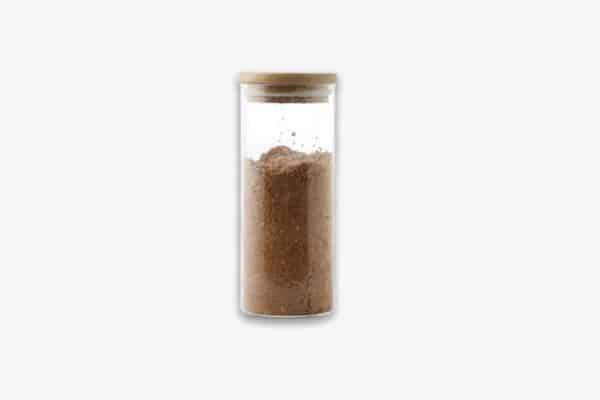
A scratch coat, also known as “Tartasha” in Arabic, is the first rough plastering layer applied to walls and ceilings before the final finishing coat. This layer provides a textured surface to enhance adhesion for subsequent layers, ensuring durability and long-lasting plasterwork. It is commonly used in masonry, concrete, and blockwork applications.
Why You Should Use It:
Enhances Adhesion: Creates a rough base for the finishing coat.
Prevents Cracks: Reduces shrinkage and structural cracks in plaster.
Durable & Strong: Increases the longevity of the plaster system.
Weather Resistant: Protects against environmental damage.
Improves Load Distribution: Helps evenly distribute stress across walls.
Key Features:
Property
Description
Material Composition
Cement, sand, and water
Application Thickness
5–10 mm
Texture Type
Rough and uneven
Drying Time
24–48 hours before applying the next coat
Bonding Strength
High adhesion for better plaster durability
Uses:
Base Layer for Plastering: Prepares the surface for the final smooth coat.
Masonry & Concrete Walls: Enhances plaster adhesion to rough surfaces.
Ceiling Coating: Ensures plaster sticks properly on ceilings.
Exterior Wall Coating: Provides additional protection against moisture.
Renovation Projects: Improves adhesion in restoration works.
Density & Composition:
Factor
Value
Density
1600–1800 kg/m³
Cement Content
1:2 or 1:3 (cement to sand ratio)
Water Absorption
Medium, allowing better bonding
Case Studies:
Residential Buildings: Used in luxury villas for crack-resistant walls.
Commercial Complexes: Applied in high-rise structures for durability.
Historical Renovations: Used to restore and reinforce old buildings.
Application Recommendations:
Use Proper Mixing Ratio: 1 part cement to 2 or 3 parts sand for best results.
Keep Surface Moist: Dampen the surface before application for better adhesion.
Use a Notched Trowel: Creates grooves to improve mechanical bonding.
Allow Proper Curing: Keep the scratch coat moist for at least 3 days.
Jenna AL-Saggat is an architectural journalist specializing in architecture news, contributing reporting and commentary on architecture and design to ArchUp.