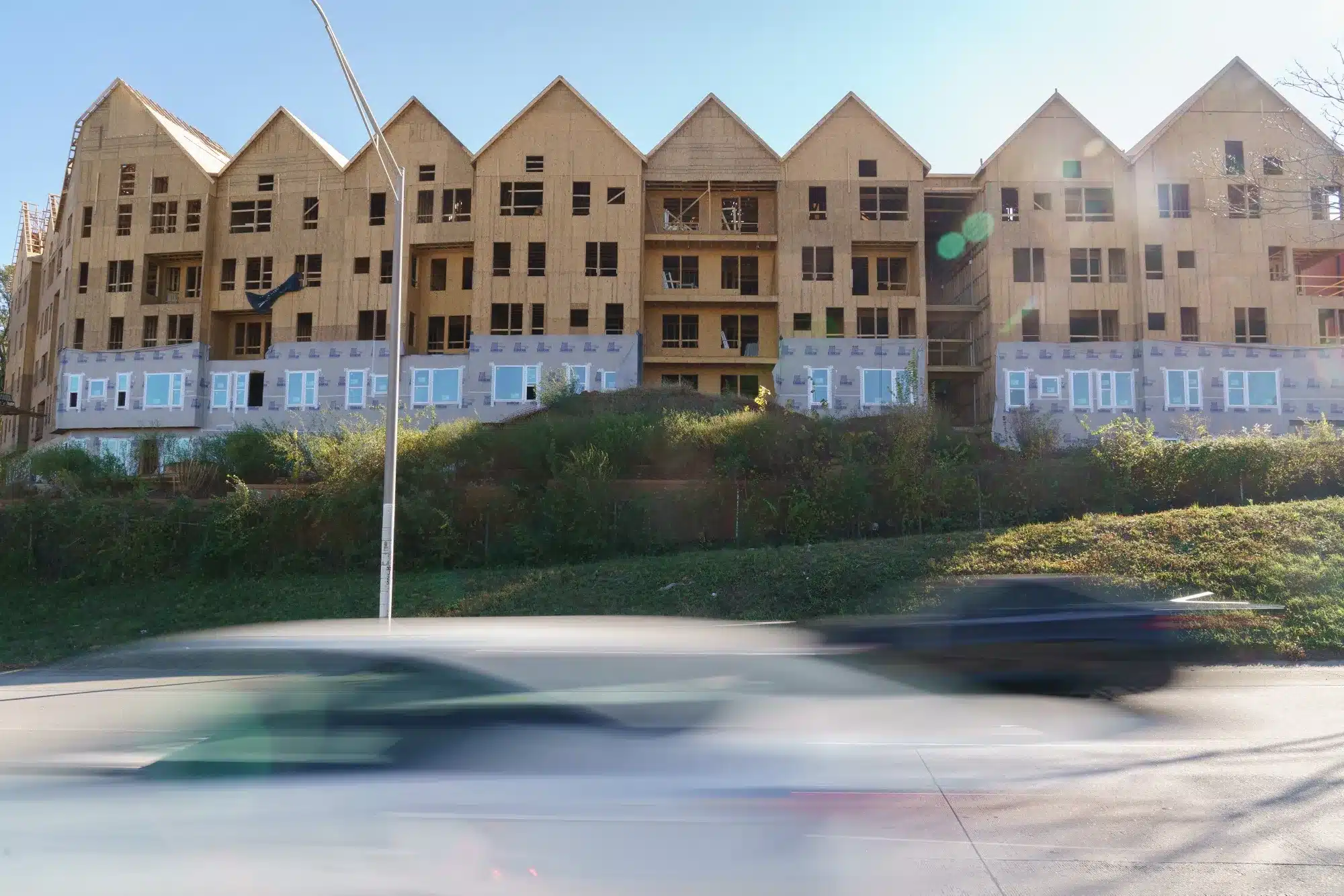
US Housing Market: Sales surge signals potential thaw for residential construction

WASHINGTON —
U.S. homebuyer demand has recorded an unexpected surge, marking the sharpest increase in nearly three years and signaling a potential rebound in the residential sector. Data released by the National Association of Realtors (NAR) on Monday indicates that pending home sales rose by 3.3% in November, surpassing the upwardly revised 2.4% gain recorded in October.
The year-on-year data confirms a resilient market, with pending sales increasing by 2.6%, a figure that significantly exceeded broader market expectations. This uptick is being closely monitored by urban planning experts and developers, as it suggests that the freeze in transaction activity is beginning to melt.
Regionally, the growth was widespread, but the most significant movement occurred in the West. This region, often a bellwether for high-density housing trends, posted a massive 9.2% month-on-month increase. Such a spike in a high-cost market indicates that demand is absorbing existing inventory at an accelerated rate.
The renewed activity correlates directly with the easing of financial pressures. Following a series of interest rate cuts by the Federal Reserve, borrowing costs have softened. Data from Freddie Mac places the average 30-year fixed mortgage rate at approximately 6.18%. As financing becomes more accessible, the focus now shifts to whether the current construction pipeline can meet this reawakened demand.
For the architecture and engineering community, this surge in “pending sales” is a leading indicator for future projects. As existing housing stock is absorbed, the pressure on inventory will inevitably force a restart of stalled residential developments. The disproportionate growth in the West—a region characterized by strict zoning and high demand—suggests that we may soon see an increase in permits for multi-family units and infill developments to replenish the market. This marks a critical moment where architectural design must respond to the need for rapid, yet sustainable, housing solutions.
✦ ArchUp Editorial Insight
The recent surge in U.S. homebuyer demand reflects the dynamics of Contemporary residential markets, where suburban and urban housing developments increasingly rely on standardized construction typologies and modular Material Expression to accommodate fluctuating demand. Pending home sales growth, particularly in the Western states, underscores the role of spatial accessibility and Regional Contextual Relevance in shaping market responsiveness. However, while lower mortgage rates have temporarily enhanced Functional Resilience for buyers, questions remain about long-term affordability and the sustainability of demand-driven development patterns, especially amid interest rate volatility. Ultimately, this trend highlights the architectural and economic ambition of aligning housing supply with market mechanisms, offering insights into future urban expansion and residential planning strategies.