Final Report on Housing in the United States (2024) and Expectations for 2025

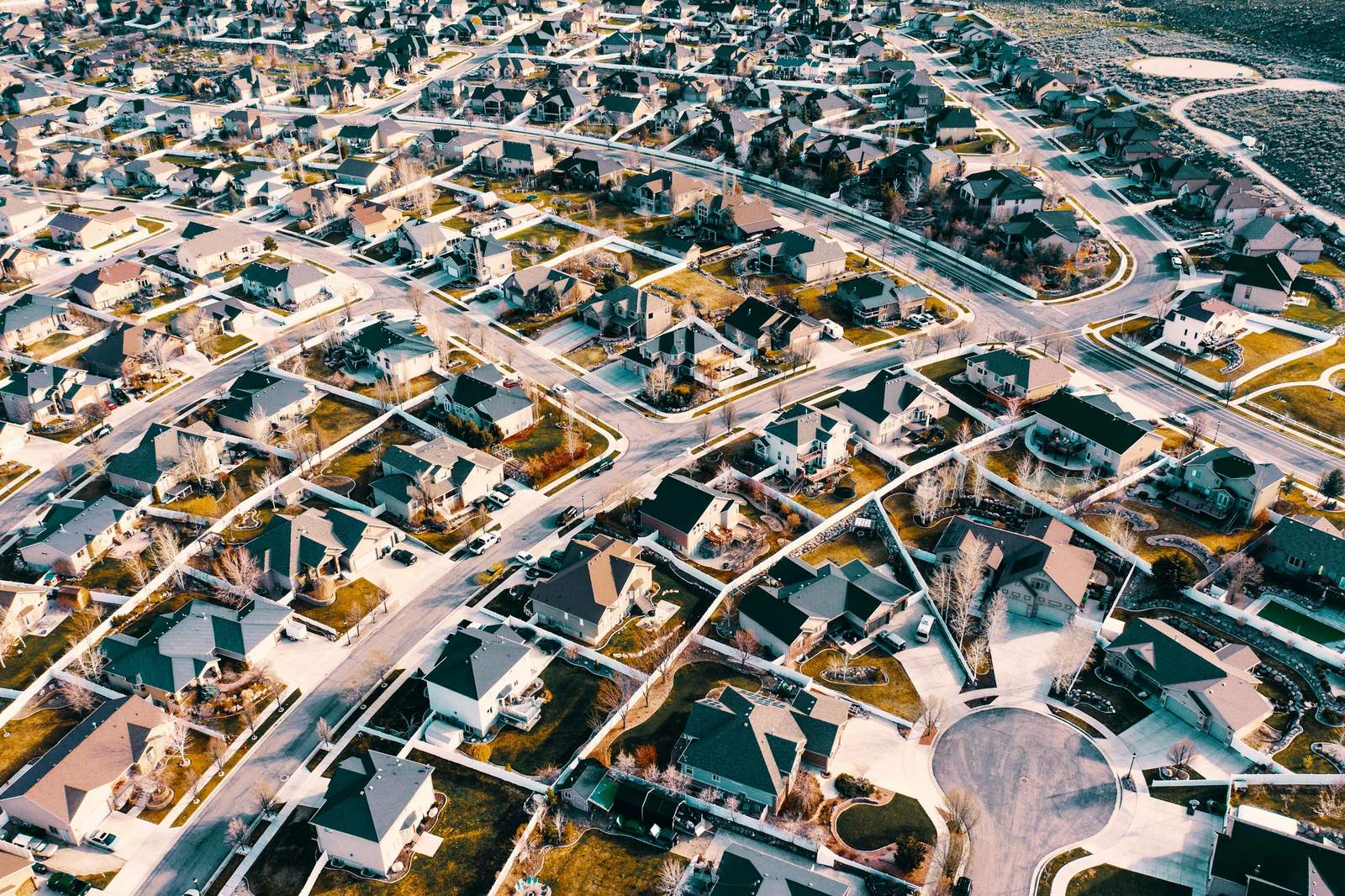
As 2024 comes to a close, the housing market in the United States faces significant shifts shaped by economic and policy changes. This report analyzes the state of housing at the end of 2024, focusing on average home prices, supply and demand dynamics, and the impact of inflation. We also look ahead to the projections for 2025, considering current policies and economic trends. This analysis draws on data from reputable sources such as the National Association of Realtors (NAR) and Zillow to provide a comprehensive overview.
The State of Housing at the End of 2024
By the end of 2024, the average home price in the United States had reached approximately $435,000, an increase of 7.5% compared to the end of 2023, according to data from NAR. Inflation has been a key factor in this rise, leading to increased costs for raw materials and diminishing the purchasing power of middle-income families. High mortgage interest rates, reaching a historical high of 7.2%, have further suppressed demand for homeownership, making it more difficult for potential buyers to enter the market.
Supply and demand dynamics were also contradictory this year. Despite strong demand from first-time buyers encouraged by government support programs, the supply of homes remained tight due to high construction costs and labor shortages. The number of homes available for sale stood at 1.2 million units, 15% lower compared to the same period last year, putting additional pressure on prices.
The regional price variations were noteworthy; urban areas like New York City and Los Angeles experienced a 10% rise in home prices, driven by heightened demand, while rural areas saw slight decreases, reflecting the waning appeal of suburban living.
Impact of Inflation and Financial Policies
Inflation has been the primary narrative in the housing market in 2024. With inflation rates exceeding 5% throughout most of the year, homeownership became less affordable for middle-income families, prompting many to seek cheaper alternatives or shift to renting. Rental prices also rose by 6%, making the cost of housing a burden across the board.
The federal government attempted to counteract these pressures by launching incentives for first-time buyers and supporting mortgage programs with reduced rates. Despite these efforts, many households were still unable to qualify for mortgages due to strict financial requirements and soaring home prices.
Expectations for 2025: A Cautiously Optimistic Outlook
Projections from Zillow and NAR suggest a modest improvement in the housing market for 2025, driven by expected stabilization of interest rates and a slowdown in inflation. By the end of the year, mortgage rates could decrease to around 6.5%, which would potentially stimulate modest growth in home purchases.
New housing projects are expected to pick up in states with lower costs, such as Texas and Florida, as builders begin adopting innovative techniques to reduce costs and increase efficiency. Technologies such as modular construction are anticipated to play a larger role, helping to reduce building costs and bridge the supply-demand gap.
Rental prices, however, are expected to remain high, with an estimated increase of 4-5% due to continued strong demand. Urban areas are likely to maintain high property prices, while rural and suburban areas might experience stability or slight decreases.
Challenges and Opportunities in 2025
In 2025, the housing market will face a mix of challenges and opportunities. Government-supported housing projects might offer some relief to first-time buyers, while the challenges of inflation and high interest rates will persist. Discussions around tax policies have also highlighted possible tax breaks for first-time buyers, which could help stabilize the market and make homeownership more accessible.
Additionally, there is growing interest in green housing and energy-efficient buildings. Embracing sustainable building standards could help improve the market for new properties, creating economic, environmental, and social benefits for developers and residents alike.
Conclusion
While 2024 was marked by significant challenges in the housing market including high home prices, rising mortgage rates, and limited supply expectations for 2025 indicate opportunities for gradual recovery and development. Financial stability and supportive policies will play a crucial role in guiding the market towards a more promising future. However, a greater focus on affordable and sustainable housing solutions will be key to achieving equilibrium between supply and demand and ensuring a suitable living environment for everyone.