The Virtual Museum of Stolen Cultural Objects An Innovative Architectural and Conceptual Experience

Introduction
The Virtual Museum of Stolen Cultural Objects offers a unique digital architectural experience, showcasing 600 stolen or missing artefacts from around the world. The design is not just a digital space for displaying objects it is an interactive journey that highlights the impact of cultural heritage loss on communities. Using an earthy color palette, the museum employs form and architectural language to convey a powerful cultural and conceptual message about the importance of preserving heritage and the consequences of its theft.
Architectural Concept and Design Approach
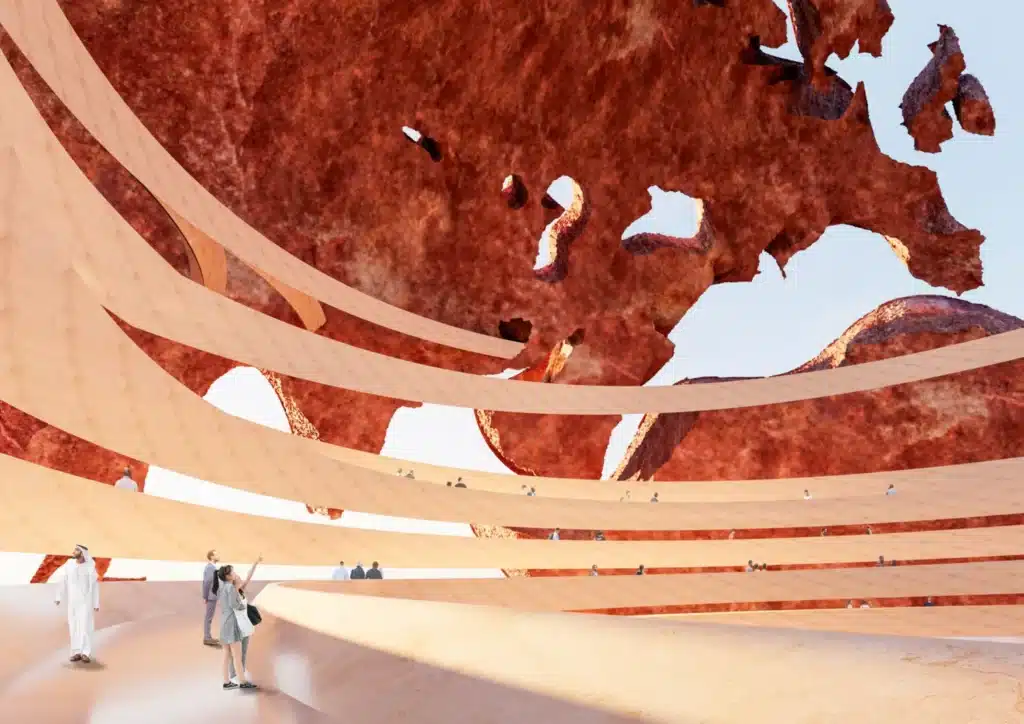
The museum is structured around a globe set atop a green hill, serving as the virtual entrance. Inside the globe, a spiralling central gallery branches into regions dedicated to different continents, allowing visitors to navigate through the diverse collections of cultural objects.
Symbolic Dimensions
- The design draws inspiration from the baobab tree, symbolizing resilience in many African communities. The roots represent both tangible and intangible cultural heritage, while the trunk and crown reflect the visible presence of communities.
- Openings and skylights symbolize the voids left by stolen artefacts, introducing a layered architectural symbolism.
- The spiral layout signifies historical continuity and the interconnectedness of cultures, offering visitors a fluid and meaningful journey through the museum.

Materials and Techniques Used
Midway through the article, a comprehensive table details the materials and techniques applied in the museum’s digital architecture to enhance both the experiential and conceptual aspects:
| Element | Details | Function |
|---|---|---|
| Floors and Walls | Earth-toned digital textures | Create a sense of depth and natural connection |
| Lighting | Arched windows + circular skylights | Simulate natural light and represent lost artefacts |
| Spiral Form | Virtual ramp | Facilitate movement between regions and display objects gradually |
| Globe Entrance | Virtual entry point | Symbolize global cultural heritage and connect visitors |
| Vegetal Elements | Baobab-inspired design | Highlight cultural roots and the significance of heritage |
| Digital Interaction | Interactive navigation between galleries | Educational and awareness-raising experience |
| Web Compatibility | Responsive and easy-to-use interface | Ensure seamless access across devices |

Interactive Visitor Experience
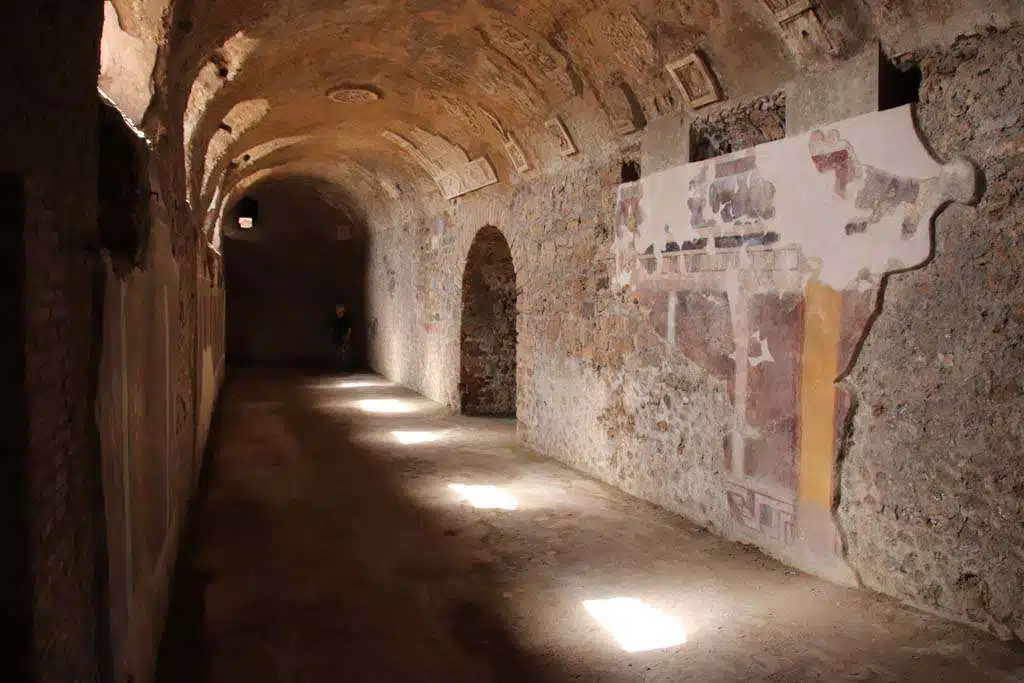
Visitors can explore clusters of stolen objects along the spiral gallery or enter region-specific rooms, each featuring arched windows and circular skylights that emphasize the absence of stolen items.
The museum also includes a Return and Restitution Room, showcasing recovered artefacts and underlining the significance of repatriation in cultural preservation and awareness.
Design Challenges and Solutions
One of the main challenges was selecting which elements to include without overloading the digital environment, given the limitless possibilities of virtual design.
The focus was on simplicity and symbolic clarity, emphasizing the conceptual meaning of lost heritage and the roots of cultural identity, ensuring the experience is both clear, educational, and symbolically connected to real-world communities.

Conclusion
The Virtual Museum of Stolen Cultural Objects represents a forward-thinking intersection of digital architecture and cultural consciousness, offering an educational and interactive experience that highlights the consequences of cultural loss. Its design emphasizes the symbolic importance of cultural roots, the social role of art, and the critical need to recover lost objects to preserve the identity of communities worldwide.
Architecture professionals can follow ArchUp’s events section for verified updates on exhibitions, conferences, competitions, and results.
Comprehensive Summary Table
| Item | Details |
|---|---|
| Name | Virtual Museum of Stolen Cultural Objects |
| Purpose | Raising awareness of heritage loss and showcasing recovered artefacts |
| Number of Objects | 600 |
| Design | Globe + Spiral central gallery + Region-specific areas |
| Concept | Baobab-inspired symbolism, heritage loss representation, cultural connectivity |
| Materials & Techniques | Earth-toned textures, arched windows, circular skylights, virtual ramps, vegetal elements, interactive design, responsive interface |
| Experience | Interactive virtual navigation, Return and Restitution Room |
| Conceptual Focus | Highlighting heritage loss, cultural roots, and community awareness |
| Target Audience | Digital visitors and cultural heritage enthusiasts |

✦ ArchUp Editorial Insight
The architectural design of the Virtual Museum of Stolen Cultural Objects is expressed through the globe perched atop a green hill, with a spiralling gallery branching into region-specific areas, and arched windows plus circular skylights creating natural lighting that highlights the voids left by missing artefacts. The design draws symbolic inspiration from the baobab tree, where roots represent lost heritage and the trunk and crown signify visible presence. Critically, while the spiral and regional divisions offer a structured experience, they may limit full exploratory freedom. Nevertheless, the project delivers significant educational and conceptual value, emphasizing cultural awareness and the importance of restitution.