Volcano-In: Architecture Balancing the Natural Steppes

Exploring the Balance Between Architecture and Nature in the Inner Mongolian Steppes
In the vast Baiyinkulun Steppes of Inner Mongolia, dormant volcanoes have played a crucial role in shaping the terrain over thousands of years, creating a delicate and complex natural environment. In this context, an architectural design approach emerges that aims to integrate with the environment rather than dominate it.
Building Distribution and Environmental Impact
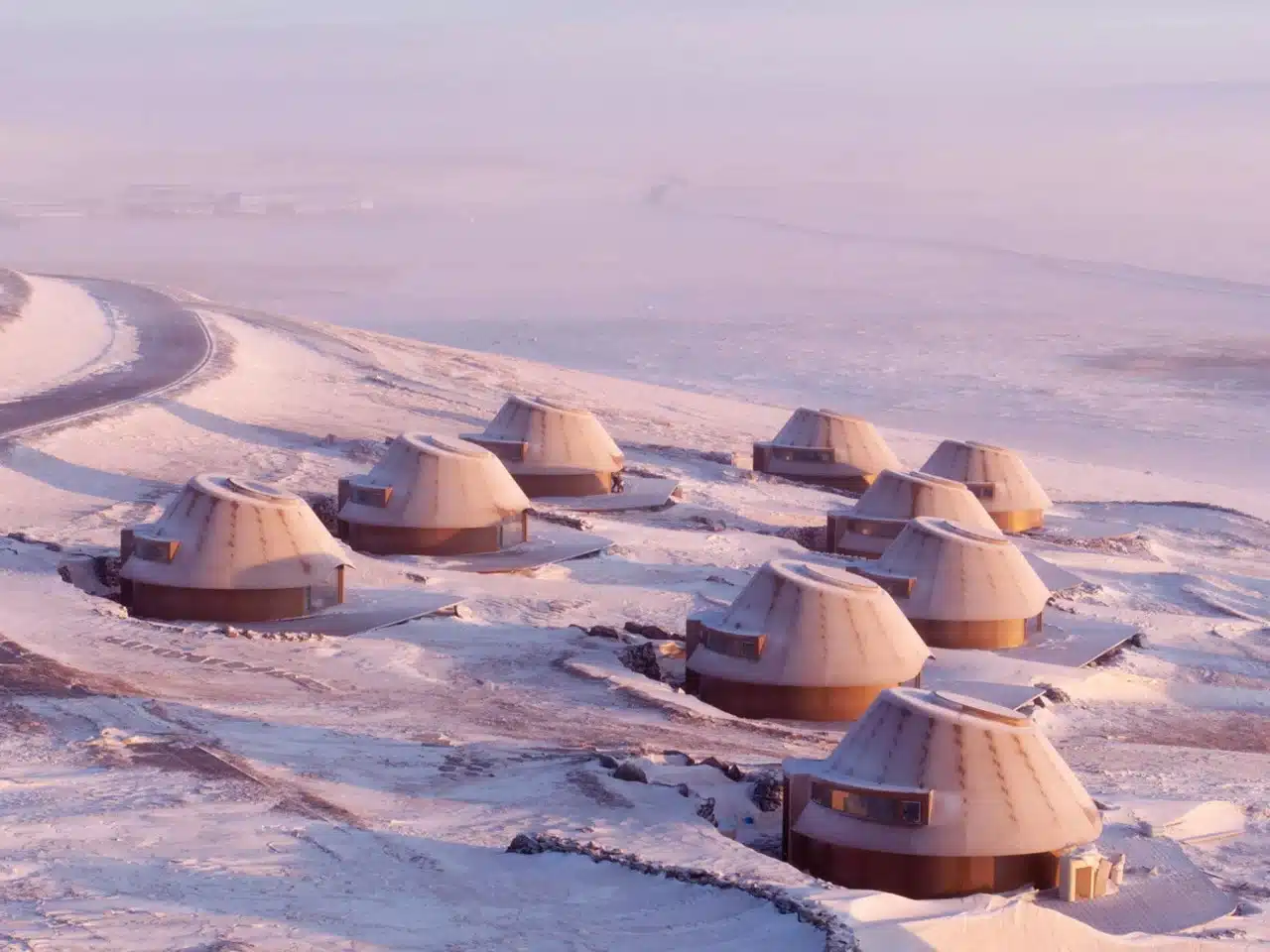
One modern trend in designing structures on fragile lands involves distributing compact cabins harmoniously across the natural landscape. Placing these cabins over degraded sandy areas is not merely an aesthetic choice; it serves an environmental purpose: reducing soil loss and allowing vegetation to regenerate around the structures. This approach reflects the idea of architecture as a tool for positive environmental intervention, where buildings act as a “bandage” for the natural system.
Architecture as a Component of Sustainable Renewal
The core idea here is to explore how architectural design can contribute to supporting the restoration of the natural environment. While the short-term success of this approach is evident in soil stabilization, assessing its true effectiveness requires continuous monitoring over the years, making this project an important case study within architectural research for understanding the relationship between human activity and fragile nature.


Architectural Design and Its Environmental Impact
Each architectural unit designed in the steppes presents a distinctive silhouette that harmonizes with the surrounding open spaces. The use of reddish-painted metal panels reflects the volcanic nature of the region, highlighting the importance of selecting appropriate building materials for environmentally sensitive contexts, while the aluminum roofs cover the units with clean, reflective edges, creating a sense of lightness and reducing the building’s footprint on the land.
Strategies for Resisting Natural Conditions
The units are intentionally elevated slightly above the ground, reducing direct impact on the fragile soil and allowing the natural area to breathe and regenerate. The curved walls serve as dual barriers: they protect against strong winds and act as snow screens during winter, highlighting the importance of designing buildings in harmony with seasonal climatic conditions and responsible construction strategies.
Prefabrication and Minimizing Human Intervention
The construction process relied on the principle of prefabrication, with components arriving ready for assembly on site. This method minimizes the need for heavy machinery or deep excavation, keeping environmental intervention limited and reflecting a practical approach to sustainability in sensitive natural areas often discussed in architectural news.
The Relationship Between Interior and Exterior
Inside the units, a thoughtful interior design provides compact yet functional spaces, including sleeping, living, bathroom areas, and a private outdoor terrace. A key design feature is the oval skylight above the bed, transforming the night sky into a personal interactive experience, while a narrow horizontal window frames volcanic vistas, emphasizing the seamless integration of interior experience with the surrounding environment.


Prototype Cabins and Movement Experience in the Steppes
On a nearby hilltop, earlier prototype cabins stand, smaller and simpler, representing the initial experimental phase of designing structures within the steppes. These cabins appear as silent sentinels, rooted in place and observing the gradual expansion of the new installations, a process often documented in architectural projects.
Pathways and the Role of Guided Movement
The cabins are connected by stone-paved pathways, enhancing the experience of slow, deliberate movement through the site. This organization allows visitors to interact with the surrounding environment in a tactile way, while maintaining sensitivity to the fragile soil and terrain typical of remote cities and landscapes.
Architecture as a Tool for Environmental Rehabilitation
These structures form part of a larger tourism project aimed at combining visitor experience with environmental conservation, including educational centers and guided visits to understand the local ecosystem. This experience raises an open question about the steppes’ ability to restore land affected by construction over the long term. Nonetheless, the concept itself, using tourism infrastructure as a means to rehabilitate natural land, offers an ambitious and compelling model of sustainable design, deserving careful study and long-term monitoring.


✦ ArchUp Editorial Insight
While the project offers some positive solutions in integrating buildings with sensitive terrain and reducing direct soil intervention, the challenges associated with long-term sustainability remain evident. The effectiveness of cabin distribution and their impact on environmental regeneration is limited and uncertain, only becoming clear after years of careful monitoring, raising questions about the feasibility of generalizing this model to similar environments.
Furthermore, the design relies heavily on prefabrication and on-site assembly, which reduces flexibility in adapting to environmental changes or future site requirements. From an architectural perspective, the project provides an important opportunity to study the relationship between form, function, and environment, yet it remains a limited experiment requiring continuous critical evaluation before being considered a replicable model.
Engineers and designers can benefit from this project as a source of insight into construction solutions that respect soil fragility and environmental sensitivity, while emphasizing the need for long-term, flexible monitoring mechanisms to ensure that the concept evolves into genuinely sustainable practice, rather than remaining a limited experimental idea.