Technical Failures Turn Washington Reflection Pool Renovation into Political Controversy

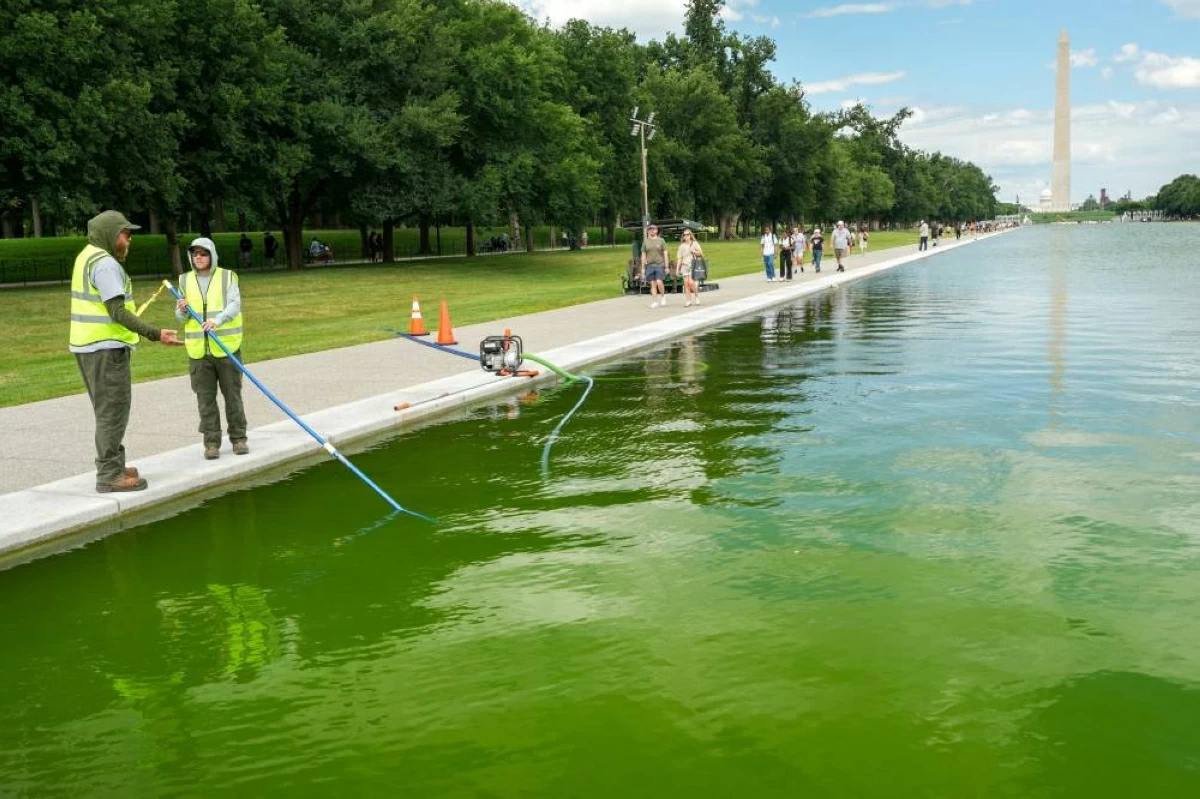
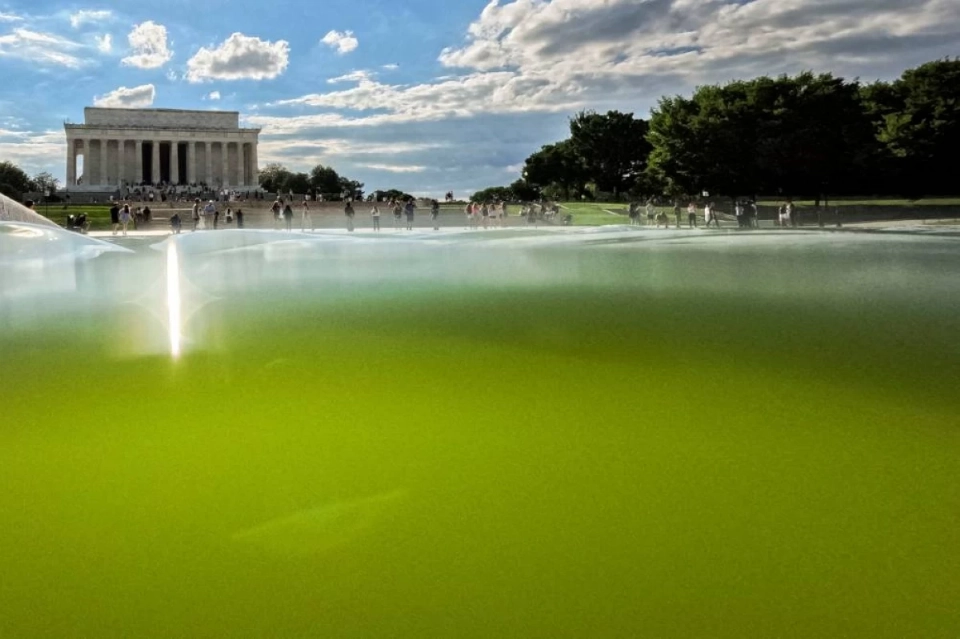
According to Bloomberg, a $15 million renovation of the reflection pool at the Lincoln Memorial in Washington D.C. has drawn national attention after rapid material and operational failures emerged only weeks after reopening. The project, aimed at restoring the visual clarity of a highly recognized civic space, instead faced widespread algae growth, foul odors, and surface coating delamination, shifting the focus from aesthetic renewal to technical accountability.
Surface Treatment Versus Environmental Reality
The architectural intervention relied primarily on a surface-level strategy. To enhance the pool’s visual reflection, a specialized blue coating was applied to the basin floor. However, this approach bypassed the critical need for a comprehensive hydraulic upgrade. Without reengineering the filtration or water circulation systems, the combination of sun exposure, summer heat, and stagnant water accelerated biological growth. This forced maintenance crews to depend on chemical treatments to control algae, rather than relying on the mechanical resilience of the infrastructure.
Structural Logic and Material Resolution
Technical assessments revealed a weak physical bond between the new finish layer and the existing structural concrete. As sections of the blue lining separated and floated to the surface, the unfinished base below was exposed. This incident raises broader questions about upgrading historic civic infrastructure. It demonstrates that treating large open-air basins purely as visual surfaces—without balancing image, water chemistry, structural adhesion, and long-term maintenance cycles—leaves rapid cosmetic corrections highly vulnerable to environmental forces.
Project Team: Federal Park Authorities and undisclosed private contractors.
Location: Washington D.C., USA.
Project Notes: Officials completed the renovation in June 2026 at a reported cost between $13 million and $15 million. The National Park Service manages the site for the federal government.